Use of Approvers in ICT Trials: Standard Practice or Potential Corruption?
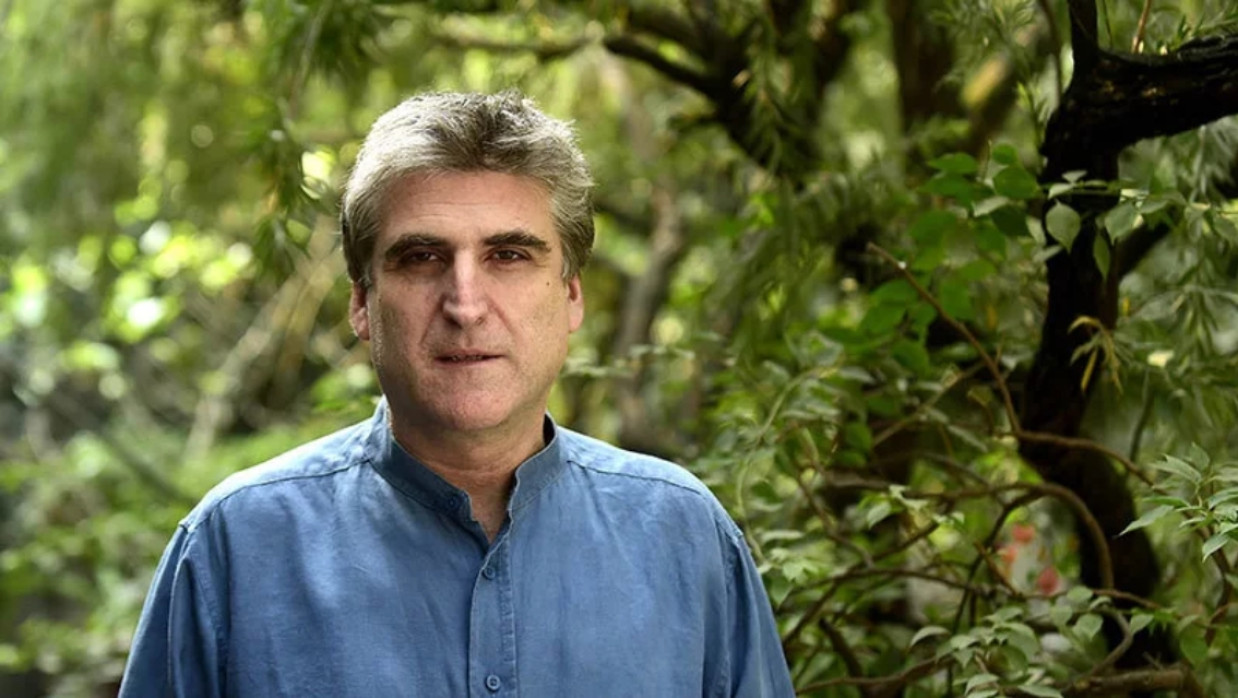
Sultan Mahmud, a prosecutor at Bangladesh’s International Crimes Tribunal (ICT), has raised concerns about the use of “approvers” (accused persons who agree to testify for the prosecution) in ICT cases. He has suggested that corruption may have occurred in the process of turning certain accused into state witnesses.
It is important to remember that the use of approvers is a long-established and common feature of criminal justice systems worldwide, particularly in complex or politically sensitive cases where insider testimony can be crucial for securing convictions.
A key example is the testimony of former Inspector General of Police (IGP) Chowdhury Abdullah Al-Mamun in cases involving Sheikh Hasina and Asaduzzaman Khan Kamal. Without his cooperation as a state witness, the prosecution’s case would have been significantly weaker, relying largely on a single intercepted phone conversation. Turning a co-accused into an approver (often with reduced sentence or immunity) is ethically debatable but frequently a practical necessity to convict higher-level perpetrators.
Defence lawyers routinely question the credibility of approvers, arguing they testify to save themselves. This is a standard part of criminal trials. Ultimately, judges evaluate the approver’s testimony based on its consistency, corroboration with other evidence, and whether parts of it can be independently verified.
The specific allegation that prosecutors took money to make accused persons approvers is serious. Logically, if such corruption existed, the benefit would flow to the witness (reduced punishment), not the prosecutor. Any credible evidence of such wrongdoing should be properly investigated. However, at present, the claim should be viewed with caution.
Disclaimer: The views expressed in the following op-ed are those of the author, David Bergman, and do not necessarily reflect the position or editorial stance of The Daily Campus. This piece has been shared from David Bergman's public Facebook post and is reproduced here for informational purposes only. The Daily Campus has no involvement in its authorship, content, or publication.
 Follow The Daily Campus on Google News