From 1971 to July, 2024: Why Justice Still Matters
Genocide is not only something from the past. It is something that has happened again and again. The Holocaust, the Armenian Genocide, the Rwandan Genocide, and the Bosnian Genocide are known around the world. The ongoing genocide and violence in Gaza remind us that such atrocities are not confined to the past. More recently, the Rohingya Genocide has also gained global attention. Genocide in Rwanda and Cambodia are well-known, studied, and discussed at the international levels. They are present in human rights conversations worldwide, museums, and textbooks. In contrast, the Bangladesh Genocide is still not formally acknowledged as genocide by many countries and institutions, despite extensive documentation and survivor testimony. This is hard to accept.
The violence started on March 25 with Operation Searchlight. It was not random. It was planned and organized. It continued for nine months. Millions of people were killed. Many women faced terrible sexual violence. Near the end, even as West Pakistan was losing the war, in December 1971, it prioritized the genocidal aims of its violence by murdering Bangladeshi intellectuals and cultural luminaries as a final effort to destroy the Bangladeshi people and Bangladeshi national identity. If we look at the Genocide Convention, these actions fit the definition of genocide. The intent, the scale, and the methods all show this clearly. Some international groups have already said it was genocide. These include Genocide Watch, the International Association of Genocide Scholars, and the Lemkin Institute for Genocide Prevention. But the United Nations has not officially recognized it. This matters because recognition shapes how the world remembers and responds.
This issue is not only about the past. It also connects to the present. During the 2024 July events in Bangladesh, there were reports of thousands of civilian deaths and illegal use of force. These events remind us of a problem: when violence is not stopped, it can happen again. The ideas of Gregory Stanton help us to understand this brutal event more scholarly. He explained the “Ten Stages of Genocide.” He showed that genocide happens step by step. It does not start all at once. If early warning signs are ignored, things can get worse. That is why justice is important in every case. Bangladesh should continue to ask for international recognition of the 1971 genocide. At the same time, any recent violence should be honestly investigated. Justice is not a choice. It is necessary to stop this inhuman crime.
The international failure to acknowledge the 1971 genocide in Bangladesh is a result of a number of related inabilities. Firstly, the research on the topic is minimal and most of it is in Bengali language; this has decreased the discussion and acceptance by the international academic society. Second, there is an absence of proper documentation and records. Although the scale and brutality of the atrocities were enormous, there are few organizations of databases, archives and forensic evidence that passed international standards. As a result, the problem frequently remains emotional rather than developing into a compelling argument supported by facts. Third, there has been a lack of international diplomatic efforts.
After independence, there was no persistent and strategic state-level effort to secure recognition of the genocide. The kind of lobbying, diplomatic contact, and active participation in international platforms that was needed was often missing. Fourth, geopolitics has played an important role, as such powerful nations as the United States or China were on the side of Pakistan in 1971, and these political stances still affect the historical understanding. Fifth, Pakistan officially denies it ever happened. When the state responsible won’t admit to its crimes or apologize, it becomes incredibly difficult to get the truth accepted internationally. Sixth, there are legal hurdles. The Genocide Convention has very specific requirements for what counts as genocide.
Meeting those standards is complicated, and political and institutional challenges make it even harder. Another important point is that in Bangladesh, we’ve focused a lot on the victory of the Liberation War. That’s understandable, but it means the genocide itself—the human rights atrocities—hasn’t gotten the same level of international attention. So, this tragedy hasn’t really found a lasting place in global memory.
So, what can be done? First, we need more high-quality research in English. This topic has to become part of global academic conversation through international journals, books, and research projects. Universities and research institutions should take the lead here. Second, build a strong digital archive. Survivor testimonies, documents, photos, mass grave records—all of it should be preserved and made accessible according to international standards. That kind of archive is essential for both research and recognition.
Third, step up diplomatic efforts. Bangladesh needs to work consistently with other countries, international organizations, and human rights groups. This should be treated as a long-term state priority, not something that gets attention only now and then. Fourth, hold more international conferences, seminars, and public lectures. The Liberation War Museum has been doing important work; that effort needs to be expanded and brought to a global audience. Fifth, be consistent in how we describe and frame the genocide. It should be clearly tied to Bengali identity, so there’s no confusion or division about who the victims were. Sixth, use media, documentaries, and cultural projects to bring the story to the world. Public opinion matters just as much as academic work when it comes to gaining international recognition.
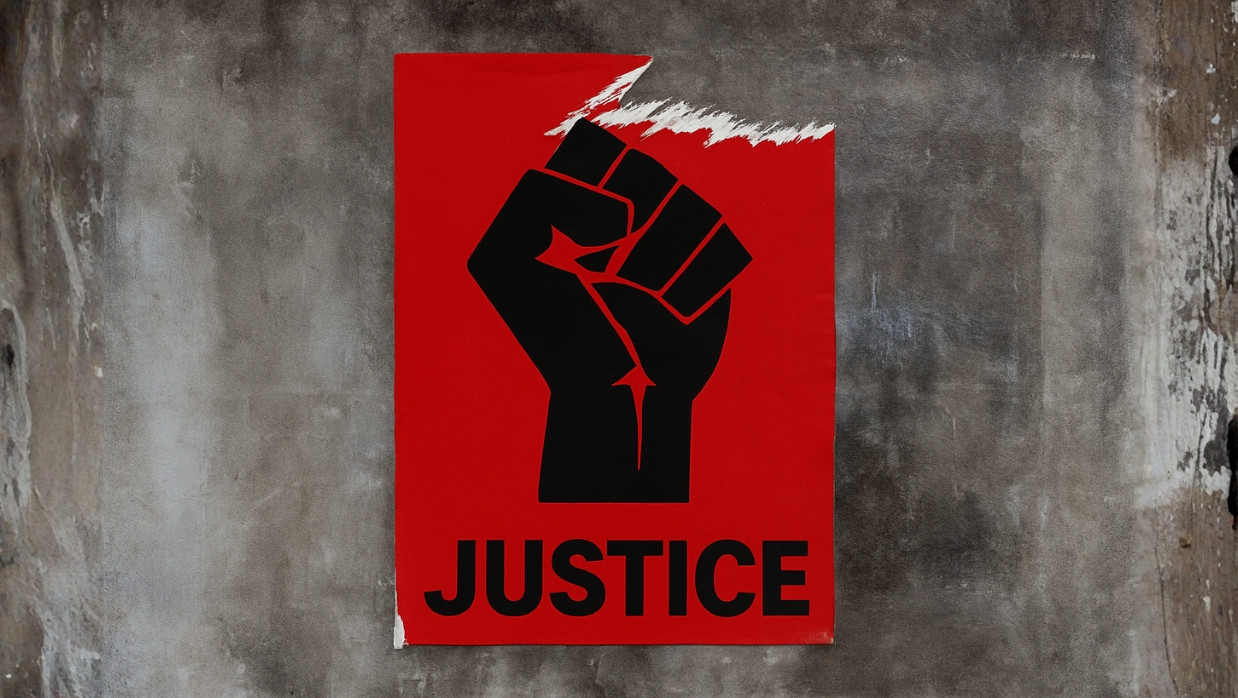
Genocide is not just about the past. It matters today and will matter in the future. When a genocide is ignored and no one is punished, it sends a dangerous message: that terrible crimes can happen without any consequences. History shows that when people get away with violence, more violence follows. Because the 1971 genocide has not been fully recognized and justice has not been done, it did not serve as the warning it should have. That is why we still see similar violence happening in different places and times. The events of July 2024 remind us of this. This is why it is important to seek justice not only for 1971 but also for any mass killings from the recent past. If we do not, such crimes will keep happening. Justice also means recognition. We must make sure past crimes are acknowledged and punished. We must also act quickly and fairly for crimes happening now. Only then can we hope to build a safer and fairer world.
The Liberation War was fought for justice; the 2024 July movement was also about justice. Remembering it is important, but it is not enough. What we do today matters more. When justice is delayed, people lose trust. And history can repeat itself. Whether it is 1971 or the 2024 events, the message is the same: without accountability, there is no real peace, and no promise that it will not happen again.
Disclaimer: The views expressed in the following op-ed are those of the author, Mohammad Julker Nayeen, and do not necessarily reflect the position or editorial stance of The Daily Campus. This piece has been shared from the author’s public Facebook post and is reproduced here for informational purposes only. The Daily Campus has no involvement in its authorship, content, or publication.
Author Profile: Mohammad Julker Nayeen, Research Intern, Liberation War Museum, Dhaka
 Follow The Daily Campus on Google News