The 5 Ms Fueling BJP’s Rise in West Bengal: An Analysis of the 2026 Shift
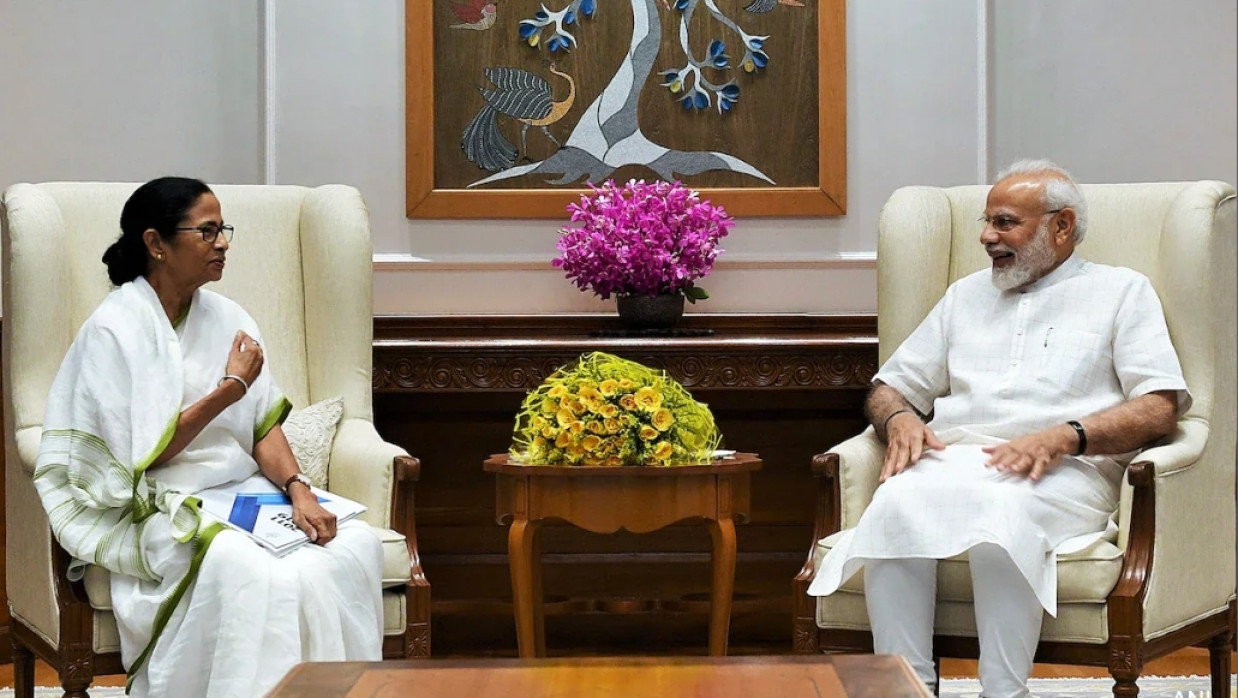
For over 15 years, Mamata Banerjee’s political dominance in West Bengal was anchored by the iconic slogan "Ma, Mati, Manush" (Mother, Soil, People). However, as the 2026 Assembly Election results unfold, early trends suggest that the Trinamool Congress’s (TMC) fortress has been breached by a different set of five "Ms."
With the BJP maintaining a comfortable lead in over 160 seats—well beyond the 148-seat majority mark—the saffron party appears to have successfully dismantled the TMC's long-standing electoral arithmetic. Here is a look at the five critical factors that have redefined the 2026 mandate:
1. Mahila (Women) Voters: A Divided Backbone
Women voters have historically been the backbone of the TMC, largely due to welfare programs like Lakshmir Bhandar and Kanyashree. However, in this election, the BJP made significant inroads by centering its pitch on women’s safety. The tragic R.G. Kar Medical College incident became a focal point of the campaign. By fielding the victim's mother from the Panihati seat and promising enhanced security and central welfare incentives, the BJP managed to split a vote bank that was once considered Mamata Banerjee’s most loyal demographic.
2. Muslim Votes: The Erosion of Consolidation
West Bengal’s 27% Muslim population typically consolidated behind the TMC to thwart the BJP. In 2021, this resulted in the TMC winning 75 out of 85 minority-concentrated seats. In 2026, however, districts like Malda, Murshidabad, and Uttar Dinajpur showed signs of fragmentation. Dissatisfaction over governance, the emergence of the AIMIM as a "vote-cutter," and a resurgent Congress effort in these pockets seem to have prevented the absolute consolidation the TMC required to stay in power.
3. Migrants: The Unpredictable Wave
The 2026 election saw an unprecedented homecoming of thousands of migrant workers. Driven by fears of name deletions following the "Special Intensive Revision" (SIR) of the voter list, these workers returned to their villages in record numbers. This "migrant factor" injected a high degree of volatility into rural constituencies, as these workers brought with them external perspectives on development and governance that often clashed with the local status quo.
4. Matua Community: The SC Decider
The Matua community, which constitutes roughly 17% of the state’s population, remained a pivotal factor. Having propelled the BJP to the position of the main opposition in 2021, their continued support in the 2026 polls was crucial. The BJP's focus on citizenship issues and community-specific promises ensured that this Scheduled Caste group remained a solid pillar of the saffron surge, particularly in North and South 24 Parganas.
5. BJP’s Election Machinery: Matching the Cadre
West Bengal has always been a "cadre-driven" state, where grassroots management wins elections. In 2026, the BJP’s organizational machinery finally reached a level capable of matching the TMC’s reach. Through a combination of rigorous booth-level management, high-octane digital campaigning, and the involvement of heavyweights like Suvendu Adhikari, the BJP successfully countered the TMC's physical and organizational presence on the ground.
As the Trinamool struggles to even cross the 100-seat mark, it is evident that the "5 Ms" have fundamentally altered the political DNA of West Bengal, ushering in what appears to be the state's first BJP-led administration.
 Follow The Daily Campus on Google News