Ziaur Rahman’s ‘Each One, Teach One’ Policy Laid Foundation for Literacy: Milon
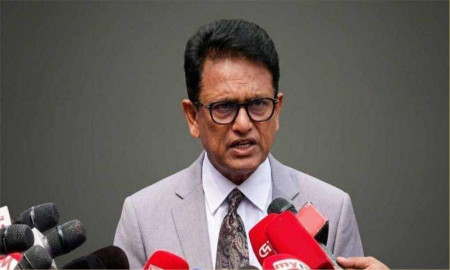
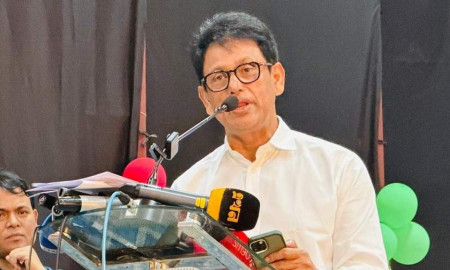
Education Minister Dr. A.N.M. Ehsanul Hoque Milon has stated that Shaheed President Ziaur Rahman’s historic "Each One, Teach One" policy essentially laid the foundation for Bangladesh’s remarkable progress in literacy today.
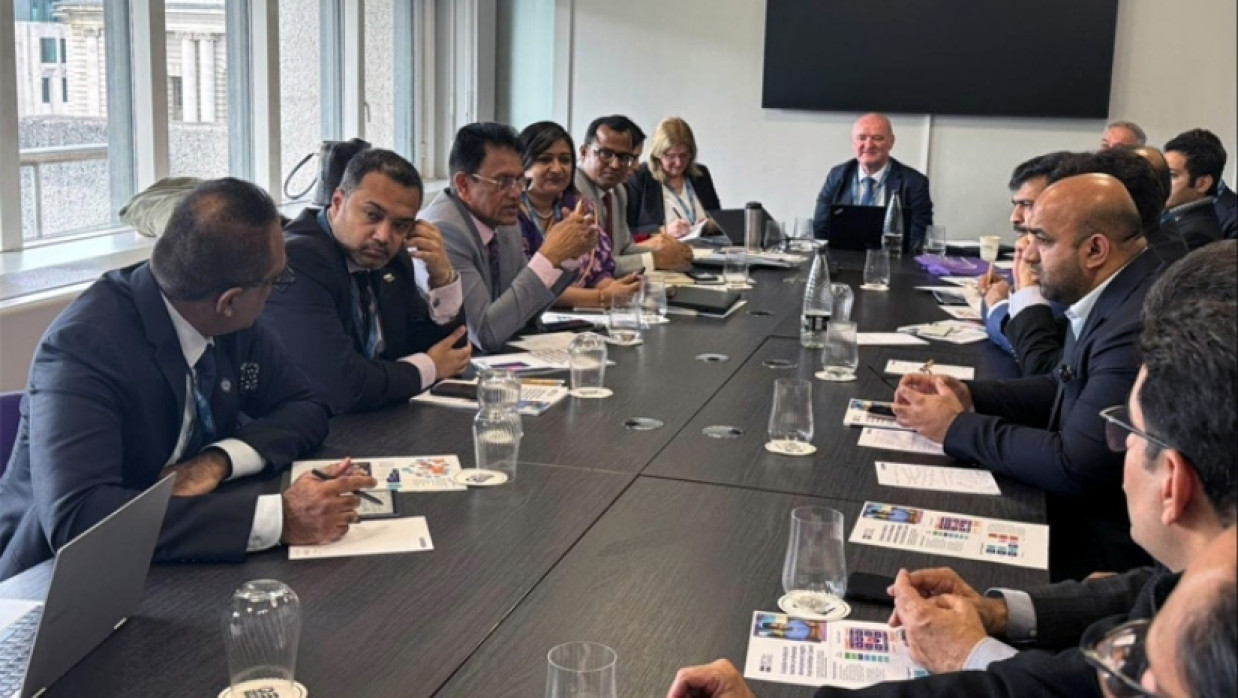
The minister made the remarks at a high-level roundtable discussion titled “Teachers’ Continuous Professional Development,” held on the sidelines of the ongoing Education World Forum 2026 in London, according to an official press release received today.
The Prime Minister’s Education Affairs Adviser, Mahdi Amin, was also present at the meeting. The roundtable included prominent global education figures, such as Michael Connolly, Director of English and School Education at the British Council, along with education ministers and senior officials from various Pakistani provinces, including Punjab, Khyber Pakhtunkhwa, and Sindh.
The breakthrough in South Asian literacy
During the session, the participating Pakistani ministers inquired how Bangladesh managed to achieve such extraordinary progress in national literacy rates, given that both nations share highly similar socio-economic contexts.
In response, Education Minister Dr. Milon highlighted the visionary implementation and enduring success of the historic mass education program originally introduced by Ziaur Rahman, which systematically mobilized the population to eradicate illiteracy from the grassroots level.
Technological modernization: 'One Teacher, One Tab'
Elaborating on the current administration's forward-looking roadmap, the Prime Minister’s Education Affairs Adviser, Mahdi Amin, outlined plans designed to ensure high-quality education across Bangladesh.
He placed special emphasis on the government's newly designed initiative, “One Teacher, One Tab.” This digital-first strategy aims to equip teachers nationwide with modern technological devices, ensuring they become digitally literate and skilled in utilizing advanced pedagogical tools in the classroom.
Fostering regional educational cooperation
The roundtable served as an open, constructive platform for high-level regional participants to exchange institutional experiences regarding professional teacher development and educational quality enhancement.
In addition to identifying shared systemic challenges within South Asia’s education sector, the delegates held extensive talks on modernizing classroom infrastructure and exploring potential avenues for bilateral and multilateral cooperation to face future academic demands.
 Follow The Daily Campus on Google News