Admission Tests Must Follow HSC Results Immediately: Education Minister
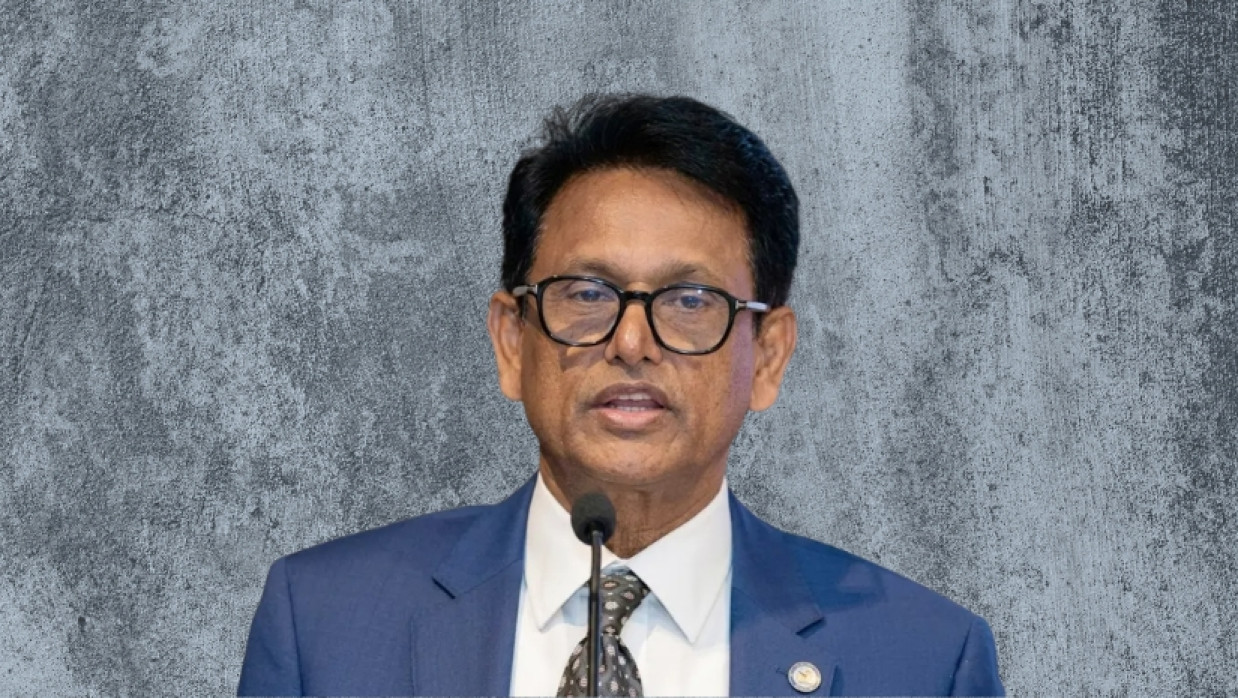
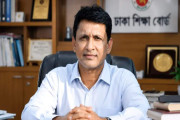
Education and Primary & Mass Education Minister Dr. Ehsanul Hoque Milon has announced plans to restructure the academic calendar so that students can sit for university admission tests immediately after passing their HSC examinations. The Minister emphasized that this initiative is part of a broader strategy to eliminate session gaps and ensure a seamless transition to higher education.
Speaking as the chief guest at a workshop organized by the University Grants Commission (UGC) in Agargaon this Sunday (April 26), the Minister highlighted the need for synchronized efforts between education boards and universities.
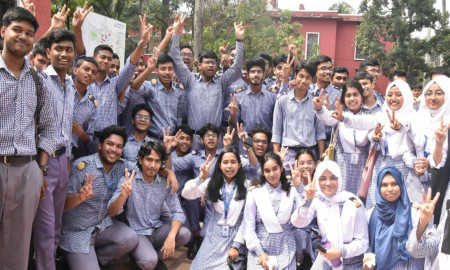
Dr. Milon pointed out that the current delay between completing intermediate studies and entering university wastes significant time for students. He stressed the importance of completing the HSC curriculum strictly within two years and ensuring that all examinations are concluded by December. The goal, he stated, is to allow new university classes to begin as early as January.
"The stakeholders here are not just the boards; the universities are equally involved," the Minister said. "The education boards and universities must work in a coordinated manner to facilitate this transition."
The Minister called for a disciplined and integrated approach to the entire educational process, including syllabus design, curriculum development, and class scheduling. He urged universities to prepare their admission frameworks in advance so that the process can commence the moment HSC results are published.
"We want the entire education system to operate under a unified plan," Dr. Milon remarked. "By streamlining the timeline, we can ensure that students do not have to endure long waiting periods before starting their undergraduate journeys."
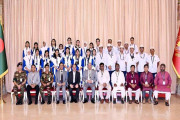
The workshop, titled ‘World Intellectual Property Day 2026,’ was attended by UGC Chairman Professor Dr. Mamun Ahmed, various university Vice-Chancellors, and senior government officials, who gathered to discuss innovation, research protection, and academic reforms.
 Follow The Daily Campus on Google News