Repeated Closures of Educational Institutions: Who Will Account for the Loss?
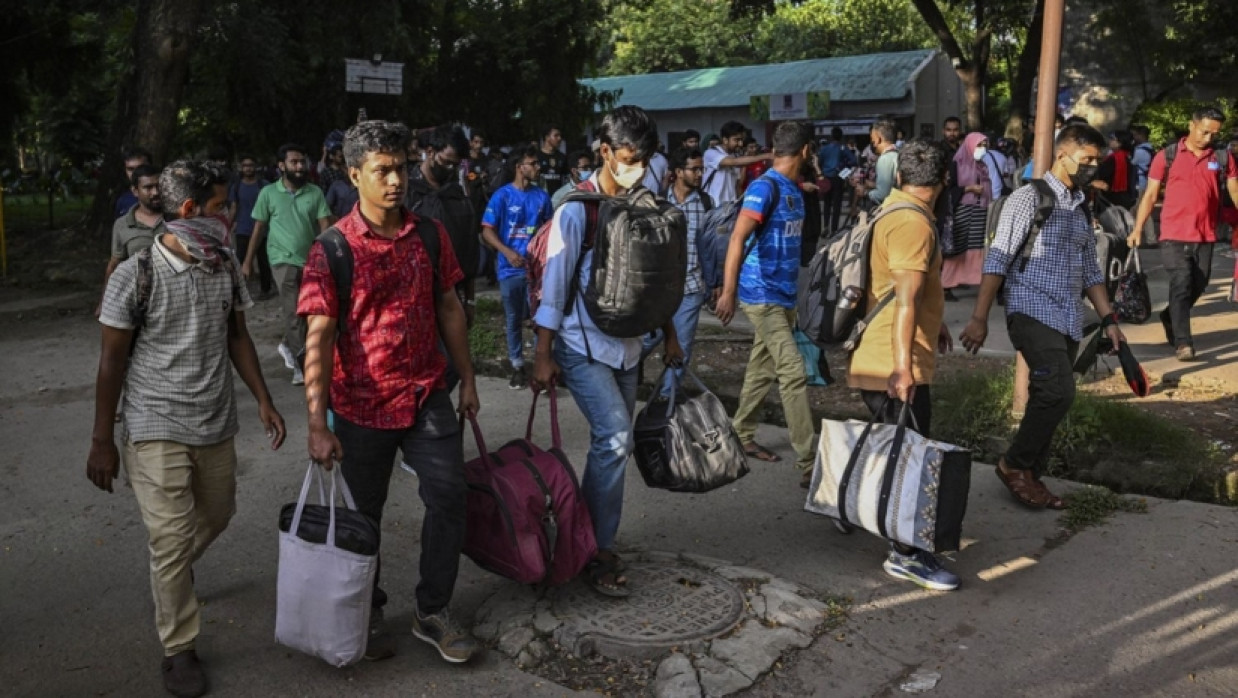
Bangladesh’s educational institutions—schools, colleges, and universities—have become the first to shut down in response to any natural disaster, pandemic, protest, or geopolitical crisis. Since the COVID-19 outbreak in 2020, closures for “reasons and no reasons” have become routine. Even unpredictable events like earthquakes trigger panic-driven shutdowns. The latest example is the extended closure of all universities starting 9 March, justified by electricity and fuel conservation amid the ongoing Iran-Israel war.
Educationists argue that political considerations often serve as the real trigger behind these decisions, inflicting deep and lasting damage on the education system and students’ futures.
Timeline of Closures Since 2020
- March 2020: All educational institutions closed due to COVID-19. Online classes began in July, but physical reopening took nearly 18 months. Around 4 crore students were affected.
- April–May 2024: Schools and colleges shut from 21 April to 3 May due to extreme heatwave.
- November 2024: Institutions closed nationwide after a major earthquake, with Dhaka University remaining shut for half a month.
- Floods and cyclones: Annual seasonal closures are common, with schools often converted into shelters.
- Ramadan and Eid: Long scheduled holidays every year.
- Elections: Institutions used as polling centres, leading to closures.
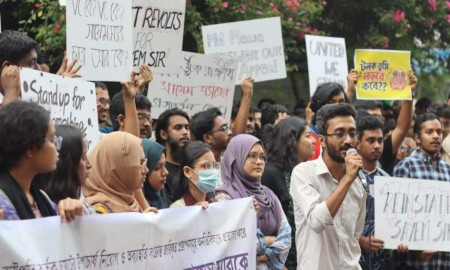
- Student movements: Frequent class and exam boycotts or forced closures during protests.
- July 2024 mass uprising: All institutions closed on 17 July and reopened on 18 August.
- Teachers’ movements: Strikes over pension schemes and salary scales have led to multi-day closures.
Political Motive Behind Closures: Educationists’ View
Professor Mohammad Mojibur Rahman of the Institute of Education and Research (IER), Dhaka University, told The Daily Campus: “Disasters—earthquakes, droughts, floods—will always come. But why is the education sector always the first target? There is a perception that it is harmless and can be adjusted. But in reality, it cannot be adjusted. The claim that universities are being closed to save electricity does not seem credible. It feels more like a political decision—considering the campus atmosphere, the controversy over the 7 March speech, and other factors.”
He added that alternative plans are rarely made. “Shopping malls, offices, and industries continue with air conditioners and full power, but education is shut down. If we had prioritized blended learning after COVID, institutions would not have closed even for a single day.”
Dr. Md. Aktaruzzaman, a technical and digital education expert based in Melbourne, Australia, said: “Closing all universities to save electricity is a wrong decision. Public university teachers will still receive salaries, but private university teachers and staff may face payment difficulties. Students will not complete their degrees on time. If we had focused on blended education post-COVID, we would not have needed to close even one day.”
Irreparable Damage to Education System
Frequent closures create learning gaps that are never fully bridged. Governments and authorities repeatedly promise to make up for lost time, but no concrete steps are ever taken.
Professor Mojibur Rahman emphasized: “We are already in a learning gap. To recover, we need more classes, labs, research, and library access—not closures. If a crisis comes and we shut down without a proper alternative plan, we suffer irreversible loss. A coordinated effort from all sides is essential. Without it, closures only deepen the damage.”
The repeated shutdowns—whether due to disasters, politics, or energy concerns—continue to push Bangladeshi students further behind in global competition, with the true cost borne by an entire generation.
 Follow The Daily Campus on Google News