'Zia Tree' Flourishes in the Heart of Saudi Arabia's Arafat Plain
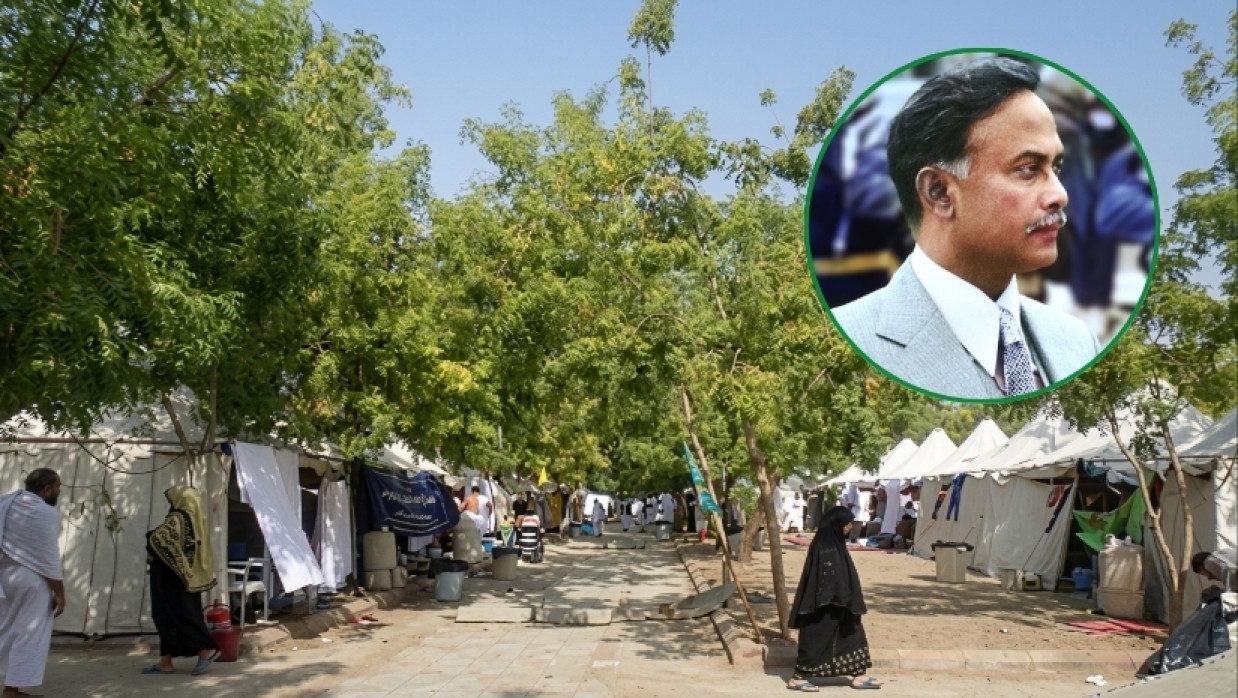
Deep within the arid landscapes of Saudi Arabia, thousands of green neem trees stand tall as a living testament to a historic diplomatic gesture from Bangladesh. Gifted nearly five decades ago by former Bangladeshi President Ziaur Rahman, these resilient trees (Azadirachta indica) have successfully adapted to the harsh desert environment. Today, they are widely recognized across the kingdom as the "Zia Tree" or "Zia Gachh," and are formally known in Arabic as "Zia Shajarah."
The green transformation is most visible across the historic plains of Arafat, a central site for the annual Islamic Hajj pilgrimage. Prior to the late 1970s, the plains of Arafat were entirely barren and devoid of natural vegetation, causing millions of pilgrims to endure extreme desert heat without any shade. Recognizing this severe hardship during a state visit, President Ziaur Rahman proposed an innovative ecological solution to the Saudi leadership, establishing an enduring environmental bond between the two nations.
A Humble Gift to King Khalid in 1977
The historical roots of this green initiative date back to 1977, when President Ziaur Rahman traveled to Saudi Arabia at the invitation of the late Saudi King Khalid bin Abdulaziz. Seeking a meaningful contribution from Bangladesh, the President presented a selection of native neem saplings to the monarch.
"This is a humble gift for you on behalf of the poor people."
— Former President Ziaur Rahman, while presenting the saplings to King Khalid in 1977
Deeply moved by the thoughtful presentation and fascinated by the extensive medicinal properties explained by the Bangladeshi delegation, the Saudi King embraced President Zia and accepted the environmental proposal. Following the successful diplomatic exchange, the Bangladeshi government dispatched thousands of premium neem saplings shipped in specialized cargo containers across the Red Sea to the kingdom.
The Scientific Miracle of Desert Survival
Former Ambassador and BNP Chairperson’s Adviser Golam Akbar Khondkar noted that the Saudi authorities quickly realized the unique botanical advantages of the Bangladeshi neem tree. The species possesses an extraordinary ability to survive for extended durations with minimal water allocation while retaining high moisture levels within its leaves.
Furthermore, Saudi agricultural researchers observed that neighborhoods planted with neem trees reported a lower incidence of seasonal illnesses, thanks to the natural pest-repellent and airborne antibacterial properties of the plant. This discovery prompted the Saudi government to launch a massive, state-sponsored neem plantation drive between 1983 and 1984.
Highlighting the political history, former Minister and BNP Standing Committee member Amir Khosru Mahmud Chowdhury stated that President Ziaur Rahman’s sharp observation during Hajj seasons directly catalyzed the project. To ensure the survival of the newly introduced ecosystem, the Saudi government officially entrusted the maintenance and cultivation of these vast forests to skilled Bangladeshi expatriate workers. To this day, generations of Bangladeshi gardeners continue to care for these massive green canopies, ensuring that the legacy of the "Zia Shajarah" remains a permanent source of pride and cool shade for millions of global pilgrims visiting the holy sites.
 Follow The Daily Campus on Google News