
Early Mango Blossoms Spark Fresh Hope for Chapainawabganj Farmers
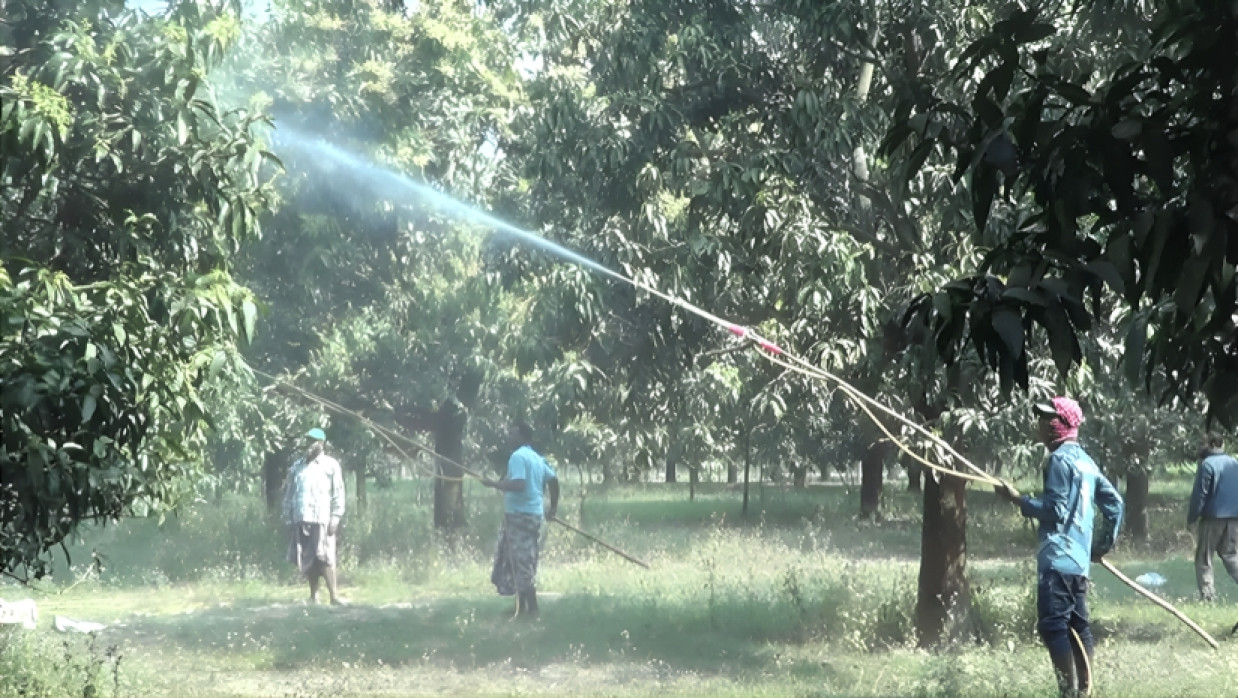
Mango orchards across Chapainawabganj, Bangladesh’s largest mango-producing district, are bursting into early bloom, raising expectations for a strong harvest this season. Local agriculture officials report that around 70% of trees have already flowered, thanks to favourable temperature and humidity creating near-ideal conditions.
If stable weather continues through the end of February, the remaining orchards are expected to follow, blanketing the region in its signature golden bloom. The district spans 37,487 hectares under mango cultivation and grows over 150 varieties, including Fazli, Kesar, Gopalbhog and Lengra, supplying markets nationwide and supporting seasonal exports.
The early flowering offers a hopeful start for a region where mango is the principal cash crop and a major economic driver. During peak season, consignments flow to urban centres like Dhaka, where demand for Chapainawabganj mangoes remains strong.
However, optimism is tempered by last year’s experience: abundant blossoms and promising fruit set were ruined by heavy rains during ripening, damaging produce and depressing prices. Many farmers struggled to recover costs.
Abdul Matin, a grower from Tikrampu, said: “The weather has been favourable since the start of the season and we are already seeing many blossoms. If this weather continues for another 10 days, we expect even more blossoms.”
Abdur Rakib, another farmer, noted that 70% of trees have bloomed so far. He and others are regularly applying pesticides and irrigation to protect the blossoms, but higher prices for fertilisers, pesticides and labour have increased production costs compared with last year.
Growers are calling for government support, including incentives, better regulation of input prices and easier access to loans. Mukul Hossain from Arambagh said mango farmers receive far less policy support than those growing rice, wheat or jute.
Dr Yassin Ali, Deputy Director of the Department of Agricultural Extension (DAE) in Chapainawabganj, remains cautiously optimistic: “If the weather remains favourable and there is no extreme change in temperature or weather conditions, this year’s yield could be as good as last year’s.”
The department is conducting field inspections and advising farmers on balanced fertilisation, irrigation and disease prevention. Many orchards have already applied fungicides and pesticides, and officials are promoting bee-friendly practices to ensure pollination.
The coming weeks will be critical. Experts warn that excessive fog, early rainfall or sudden temperature swings during the post-bloom period could cause flower drop and reduce fruit set. For now, though, the district’s orchards symbolise cautious hope for a better season ahead.
 Follow The Daily Campus on Google News