Shaykh Ahmadullah advises six practices for Shab‑e‑Barat
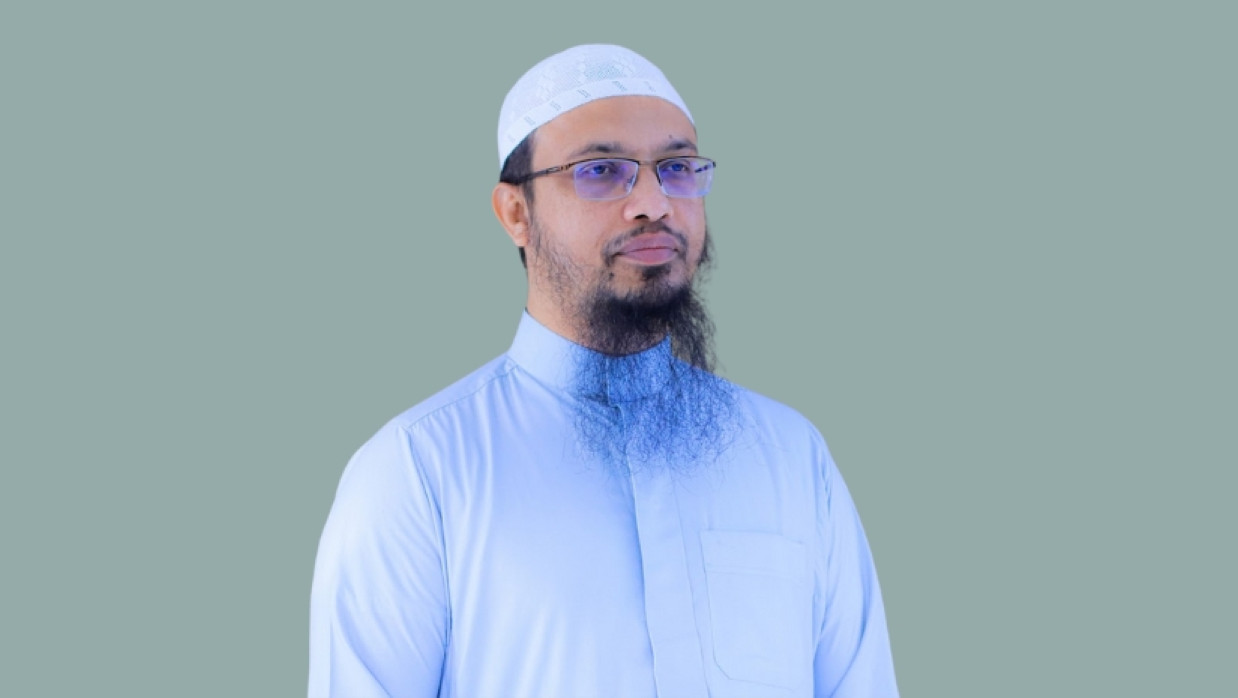
Shab‑e‑Barat will be observed across the country on Tuesday, 3 February, with due religious solemnity. In a discussion on Shab‑e‑Barat and the issue of fate determination, Islamic scholar Shaykh Ahmadullah offered detailed guidance and interpretation.
He said many scholars have stated that fate is determined on Shab‑e‑Barat, but the view that fate is determined on Lailatul Qadr is stronger in evidence and more widely accepted by leading imams and scholars. He noted that many scholars have tried to reconcile the two nights, yet based on the bulk of evidence and the opinions of major imams and mufassirs, including Imam Qurtubi, the dominant view is that annual decrees are made on Lailatul Qadr.
Citing the Quran, he referenced Surah Dukhan, verses 3 and 4, which state that the Quran was revealed on a blessed night and that all important matters are decided on that night. He argued that this blessed night refers to Lailatul Qadr, not Shab‑e‑Barat, since Surah Al‑Qadr explicitly says the Quran was revealed on Lailatul Qadr. Therefore, the night of revelation is the night on which matters are decreed, linking fate determination primarily to Lailatul Qadr.
He added that regardless of when Allah determines fate, a believer should seek goodness in their destiny, blessings in sustenance, and peace of mind. With that aim, he outlined six practices for Shab‑e‑Barat.
First, he stressed faith in Allah and taqwa, saying it is not correct to spend a year in sin and then try to change fate with one night of tears. Consistent worship and righteous deeds are required. He cited Quranic guidance that if a community believes and fears Allah, He opens the gates of blessings from the heavens, and that obedience, avoiding haram, and performing the five daily prayers bring blessings and inner peace.
Second, he urged frequent istighfar, saying those who repeatedly recite Astaghfirullah receive blessings in income and livelihood, and are granted wealth and children.
Third, he advised contentment with what Allah has given and saying Alhamdulillah, noting the Quranic promise that gratitude increases blessings.
Fourth, he highlighted sadaqah, saying charity protects from hardship and brings barakah, urging donations according to ability.
Fifth, he emphasized dua, saying some decrees are changed through supplication and that believers should regularly ask Allah to write good in their destiny and remove any harm.
Sixth, he advised maintaining kinship ties, citing a Sahih Bukhari hadith that those who wish for blessings in life and sustenance should keep family relations intact.
He reiterated these six practices and added that effort for halal livelihood must accompany prayer, saying both effort and dua together bring blessings.
On practices commonly associated with Shab‑e‑Barat, he said group night‑long worship or a fixed fast the next day is not established by sahih hadith. He noted that voluntary fasting in Shaban is sunnah, and fasting on the 13th, 14th, and 15th days has virtue, and that the Prophet Muhammad, peace be upon him, used to fast more in Shaban.
He said some hadith indicate that on the night of mid‑Shaban, Allah grants general forgiveness except to idolaters and those who harbor hatred. Although some chains are weak, he said the night has overall merit, but that does not justify every local custom.
He said crowded mosques on this night are a positive sign, but questioned whether people show the same devotion on Lailatul Qadr, which is more virtuous. He said the common assumption that one night can fix a year of wrongdoing is a false mindset.
Criticizing bidah, superstition, and excess, he said fireworks once posed serious public safety threats and have reduced due to administrative action. He said decorative lighting, halua‑ruti gatherings, and fireworks have no basis in the Quran or Hadith.
On the halwa (a sweetmeat) narrative, he said the story linking it to the Prophet’s tooth being martyred at Uhud is baseless. He said the Prophet, peace be upon him, was injured while striving against falsehood, while people today claim sunnah by compromising with falsehood and eating halua.
He also said it is wrong to treat night‑long waz mahfils, collective dua, or fixed rituals as obligatory. Personal worship and seeking forgiveness are different, but bidah must be avoided.
He concluded with a prayer that Allah grant the ability to practice according to the Quran and Sunnah and to observe Shaban with abundant voluntary fasting.
 Follow The Daily Campus on Google News