
Power cuts continue across Bangladesh despite higher gas supply
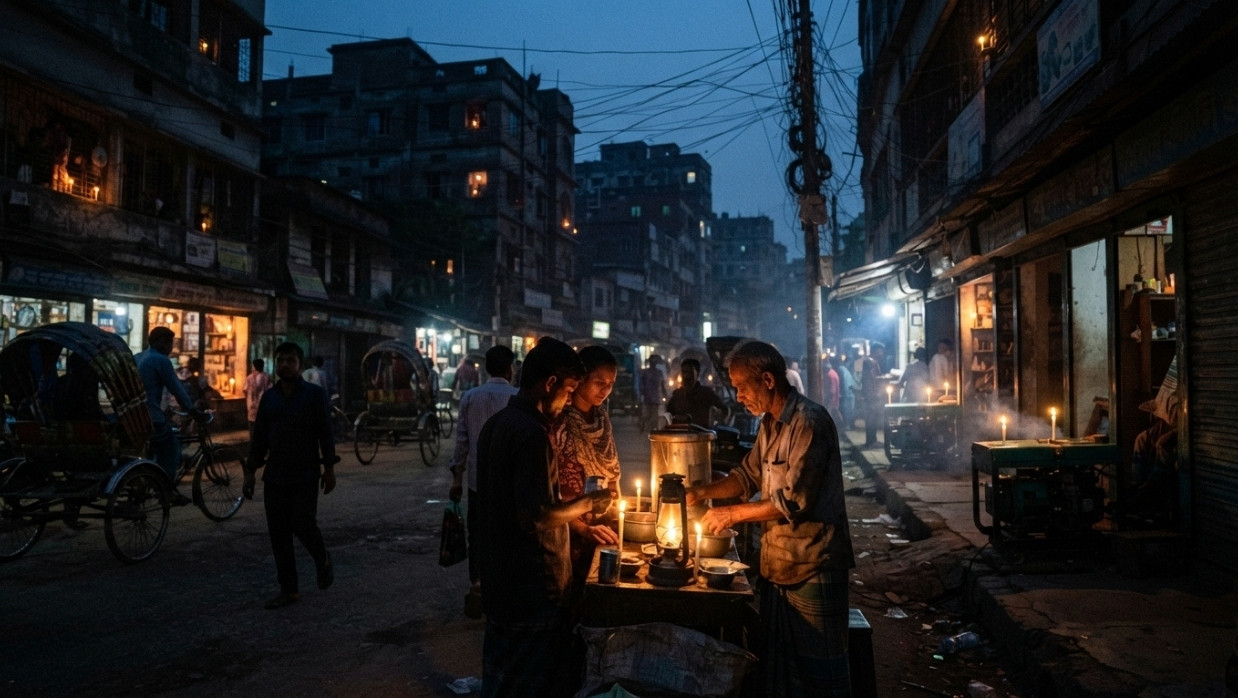
Severe power cuts continued across Bangladesh on Wednesday despite improved gas supplies and an additional 500 megawatts of generation from gas-fired power plants since Tuesday, as several coal-fired plants and power imports from India’s Tripura remained disrupted.
The power shortfall reached 2,713MW at 3pm on Wednesday, with the National Load Dispatch Center supplying 13,784MW against demand of 16,497MW. The shortfall remained above 2,000MW for most of the day.
One of the two units of the 1,200MW Matarbari power plant tripped at around 7am, Power Grid Bangladesh PLC official Abul Barakat Md Badruddoza Khan told New Age. The plant was supplying around 400-450MW to the national grid.
Two other major coal-fired baseload plants, Rampal and Payra, were also generating below capacity.
According to Power Grid Bangladesh data, the 1,320MW Rampal plant supplied 615MW during Tuesday evening’s peak, less than half of its capacity. One of its two units has remained shut since Sunday for operational maintenance.
The 1,320MW Payra power plant in Patuakhali has been supplying around 570MW for several weeks because of what officials described as a “machine problem”. Officials said the plant may go into scheduled maintenance on October 25.
Power imports from India’s Tripura state also fell sharply from Tuesday evening, dropping below 45MW. The cross-border connection usually supplies around 160MW to Bangladesh.
Higher-cost fuel fills the gap
As coal-fired generation and power imports declined, generation from furnace oil- and diesel-fired plants increased sharply.
Furnace-oil-fired plants reached the government-set generation target of 4,000MW during Tuesday evening’s peak.
The increased use of furnace oil and diesel has also raised the average cost of power generation. Power Grid data showed that the per-unit generation cost rose to Tk 8.40 on Wednesday, up 19.5 percent from Tk 7.03 two months earlier.
Power Development Board officials said the power shortfall could not be attributed solely to coal shortages, as shortages of fuel oil and gas were also affecting generation.
“If we could get 1,100mmcfd of gas, we could generate more than 6,000MW from gas-fired plants and reduce load shedding,” a senior PDB official said on condition of anonymity.
Gas supply improves
The power crisis continued a day after Prime Minister Tarique Rahman assured business leaders that gas supplies would improve.
State-owned Petrobangla reported that gas flow into the national grid had increased to 2,610mmcfd at 4pm on Wednesday, including 993mmcfd of imported liquefied natural gas.
The total supply returned to the pre-crisis level seen nearly two months ago, when a fire at a floating storage and regasification unit disrupted around 17 percent of the country’s total gas supply.
The power generation sector received an additional 100mmcfd of gas following the increase, taking its allocation to around 950mmcfd.
The higher gas supply, however, has yet to produce a sustained reduction in load shedding, with major coal-fired plants continuing to operate below their capacity.
 Follow The Daily Campus on Google News