NCTB Clears Seven Blacklisted Presses After Written Undertakings
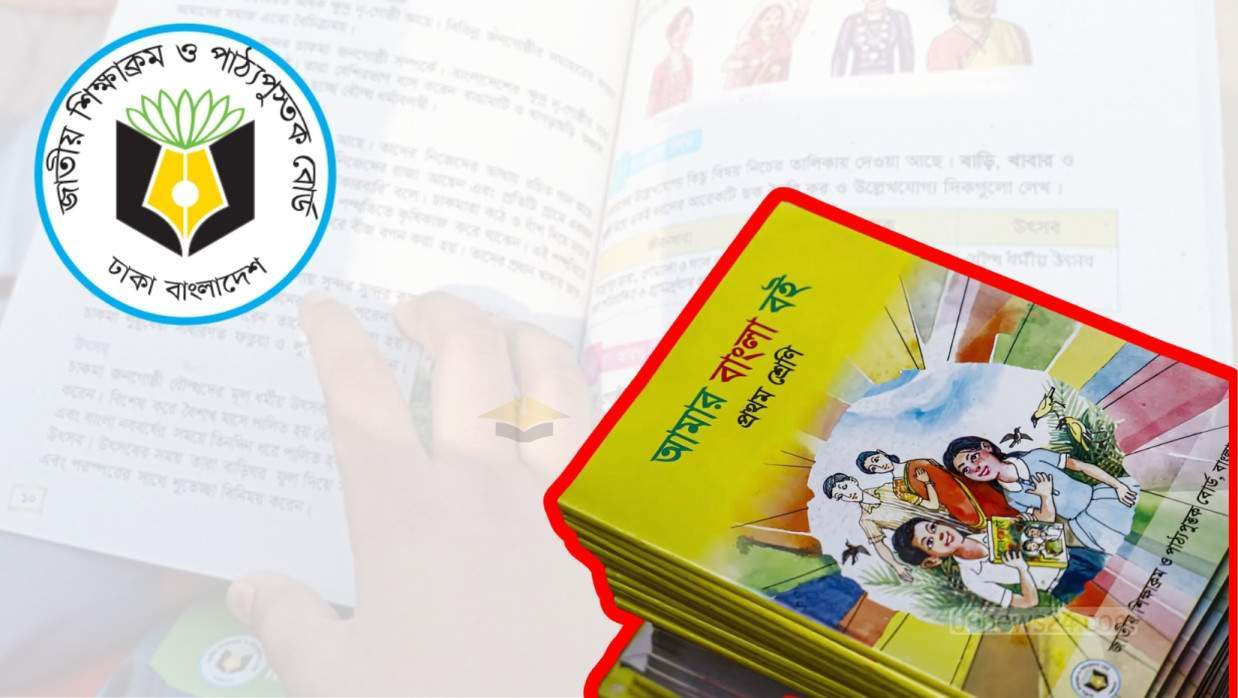
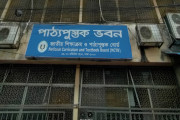
The National Curriculum and Textbook Board (NCTB) has granted printing approval to seven printing presses that were previously blacklisted for various irregularities, including printing and supplying substandard textbooks for the 2026 academic year. The presses were pardoned upon submitting written undertakings following applications from the accused owners. Sources indicate that the NCTB gave the green light to these seven presses due to a lenient policy adopted by the government.
As a result, these institutions are set to secure textbook printing contracts alongside other presses for the upcoming 2027 academic year. The institutions cleared from the blacklist are—M/S Nahar Printers, Amazon Printing Press, Bornomala Press, PBS Printers, Tangail Offset Press, Hakkani Printers, and Sohagi Printers.
According to NCTB sources, the seven presses violated terms during the printing of free textbooks for 2026 by using low-quality paper, producing blurred text and images, and failing to maintain proper cutting and binding standards. Additionally, the NCTB had blacklisted these presses for one year because they failed to deliver books to the distribution centers within the stipulated timeframe.
Under the ban, these institutions were barred from participating in any NCTB work for a year. However, within less than five months, they received a pardon following applications and undertakings submitted by the press owners.
For the 2027 academic year, a total of 30,61,98,101 copies of books will be printed. Among these, 57,30,640 copies are for pre-primary, 7,94,24,538 copies for the primary level, and 22,10,42,923 copies for the secondary level. However, after receiving data on inflated textbook requirements, the NCTB conducted field-level verifications, which subsequently reduced the final number of textbooks.
Several senior officials of the NCTB confirmed the pardoning of the presses. Speaking to The Daily Campus on condition of anonymity, they said, "The printing establishments are being given another opportunity under conditions, following a soft policy and an inclusive approach to move forward with everyone."
It is learned that after being blacklisted on allegations of irregularities, the owners of the accused presses began lobbying to secure textbook printing contracts for the new academic year. Later, they submitted an application to the Chairman of the NCTB. In response to their application, the NCTB held a board meeting this month. According to the decision of the meeting, the organization asked them to provide a written undertaking, following which the press owners were pardoned. This government body is now allowing them to participate in tenders to secure textbook printing contracts.
There are 107 printing presses enlisted with the NCTB, out of which 106 presses operated during the 2026 academic year. In that academic year, the NCTB printed and supplied a total of 30,02,55,154 primary and secondary textbooks. Among these, 11,70,46,461 books were supplied to primary and Ebtedayee levels, and 18,32,08,693 books to the secondary level.
Additionally, 6,026 Braille books were supplied for students with special needs, along with 1,85,715 textbooks printed in ethnic minority languages. However, the NCTB did not disclose the exact number of substandard textbooks printed by the accused presses during the 2026 academic year.
Meanwhile, editing is nearing completion for the free distribution of textbooks to pre-primary through secondary level students nationwide for the upcoming 2027 academic year. Tenders will be opened on July 2, and the books may sent to the presses for printing by August 15.
For the 2027 academic year, a total of 30,61,98,101 copies of books will be printed. Among these, 57,30,640 copies are for pre-primary, 7,94,24,538 copies for the primary level, and 22,10,42,923 copies for the secondary level. However, after receiving data on inflated textbook requirements, the NCTB conducted field-level verifications, which subsequently reduced the final number of textbooks. Accurate data regarding the exact reduction could not be confirmed by the time this report was filed.
Mominul Haque, the owner of Amazon Printing Press, admitted to receiving a pardon after giving an undertaking. He told The Daily Campus, "We submitted an application, they considered our request, and removed our names from the blacklist." An official from Bornomala Press also admitted to being pardoned after providing an undertaking.
Monir, the owner of Hakkani Printers, told The Daily Campus, "The NCTB blacklisted us due to a misunderstanding. The list was made pointing out our lack of binding equipment. When we later informed the authorities about the matter, they stated that since it was a misunderstanding and our name had already appeared on the list, we should submit an application. We applied accordingly and were released from the blacklist."
Professor Shah Muhammad Firoz Al Ferdous, Secretary of the National Curriculum and Textbook Board (NCTB), told The Daily Campus, "When the accused presses applied, the matter was taken into consideration, and they were pardoned in accordance with the decision of the board."
 Follow The Daily Campus on Google News