Education Ministry to Review Political Leaders’ Return to School-College Managing Committees
The Ministry of Education has called an urgent meeting on Tuesday (10 March) to discuss the formation of managing committees and governing bodies in non-government schools, colleges, and madrasas. The meeting, to be held in the ministry’s conference room at 11:30 a.m., will be presided over by the Secretary of the Secondary and Higher Education Division.
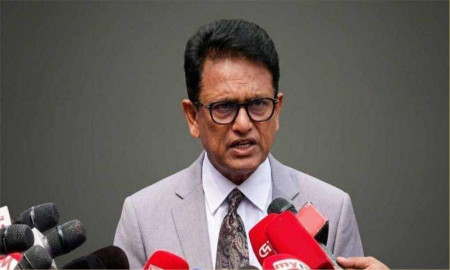
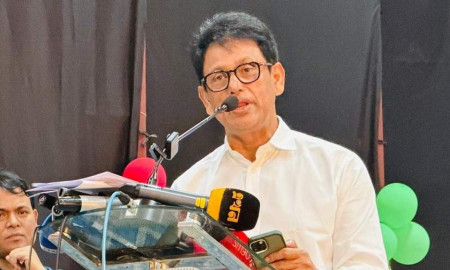
Education and Primary & Mass Education Minister Dr. A.N.M. Ehsan-ul-Haque Milan will attend as chief guest. Secretaries from the Technical and Madrasah Education Division and other relevant officials will also participate.
Sources indicate that the key agenda will include whether political leaders—particularly Members of Parliament (MPs)—should once again be included as chairpersons of managing committees. Under previous rules, local MPs had the opportunity to serve in this role. The current administration had removed this provision after coming to power following the July mass uprising, citing concerns over politicization and corruption in institutions.
A senior ministry official, speaking on condition of anonymity, told The Daily Campus: “The issue of managing committee or governing body appointments is under review. That is, the current appointment process may be amended, changed, or revised. Discussions will take place in tomorrow’s meeting. We will proceed according to whatever instructions the Education Minister gives.”
Previously, political figures often dominated these positions, leading to allegations that institutions became centres of corruption and political interference. After the interim government took charge post-July uprising, the policy was revised to exclude political leaders from the chairperson role.
Stakeholders hold mixed views. Some argue that local representatives or influential political figures can bring development funds and support to institutions. Others fear that reintroducing them would increase political influence, compromise administrative neutrality, and reopen doors to irregularities.
The meeting comes amid ongoing debates over depoliticizing educational governance while balancing community representation and institutional autonomy.
 Follow The Daily Campus on Google News