Political Bias in Faculty Recruitment Damaging University Rankings: PM
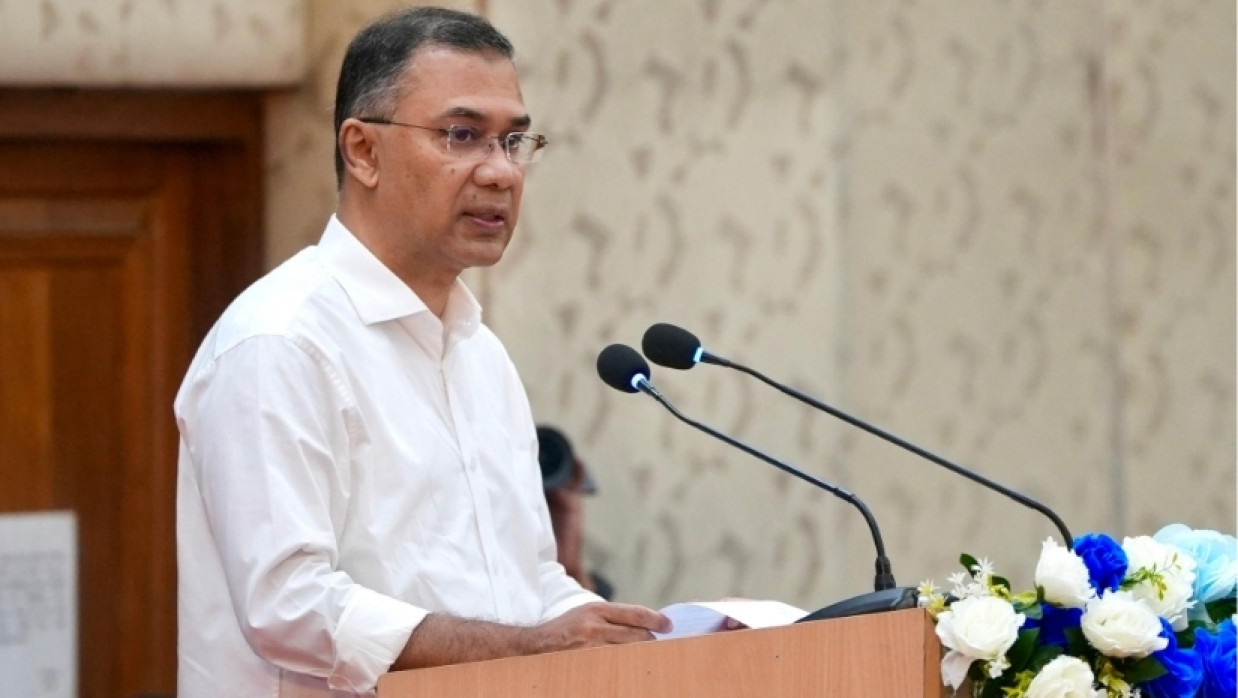
Prime Minister Tarique Rahman has identified flawed faculty recruitment processes and political bias as fundamental obstacles preventing Bangladeshi universities from achieving top global rankings. He made these candid remarks during a Q&A session following the inauguration of the national workshop, “Transforming Higher Education in Bangladesh: Roadmap to Sustainable Excellence,” at the Nabab Nawab Ali Chowdhury Senate Bhaban, University of Dhaka, today.
The Prime Minister’s statement came in response to a poignant question from a student who expressed frustration over the systemic lack of research opportunities, even for those with high enthusiasm. The student noted that this systemic failure is ultimately reflected in the poor international standing of the country's premier institutions.
Prioritizing Merit Over Political Affiliation
Acknowledging the student's concerns, the Prime Minister admitted that the current recruitment system has long been compromised. He emphasized that for decades, political loyalty has frequently taken precedence over academic brilliance during the hiring of faculty members.
"Unfortunately, one of the core reasons behind not getting into university rankings is that our recruitment has not been proper. This is what I am aware of. Political bias got priority while recruiting instead of meritocracy. If we are to change the system, it is crucial to move away from political bias and prioritize merit." — Prime Minister Tarique Rahman
Directing his attention to the academic leadership present, the Prime Minister requested the Vice-Chancellors to personally oversee and rectify these recruitment irregularities to ensure that only the most qualified candidates enter the teaching profession.
Reforming Promotion Criteria
The Prime Minister also highlighted a significant disparity between local and international academic standards regarding career advancement. He noted that in top-tier foreign universities, promotions are strictly tied to a faculty member’s research output and academic contributions rather than seniority or other non-academic factors.
He suggested that adopting a similar research-based promotion model would incentivize faculty members to engage more deeply in scholarly work, which is a critical metric in global university ranking systems such as QS and Times Higher Education.
The Prime Minister’s admission of a "systemic failure" in research integration reflects a growing demand for transparency in university administration. By addressing the root cause of poor rankings—faculty quality and research output—the government aims to create an environment where student enthusiasm for research is met with institutional support.
This workshop, organized by the University Grants Commission (UGC), is expected to incorporate these concerns into the final policy roadmap, ensuring that merit-based recruitment and research-centric promotions become the new standard for higher education in Bangladesh.
 Follow The Daily Campus on Google News