
PM Proposes Slashing Private University Tax to 5% with Two Conditions
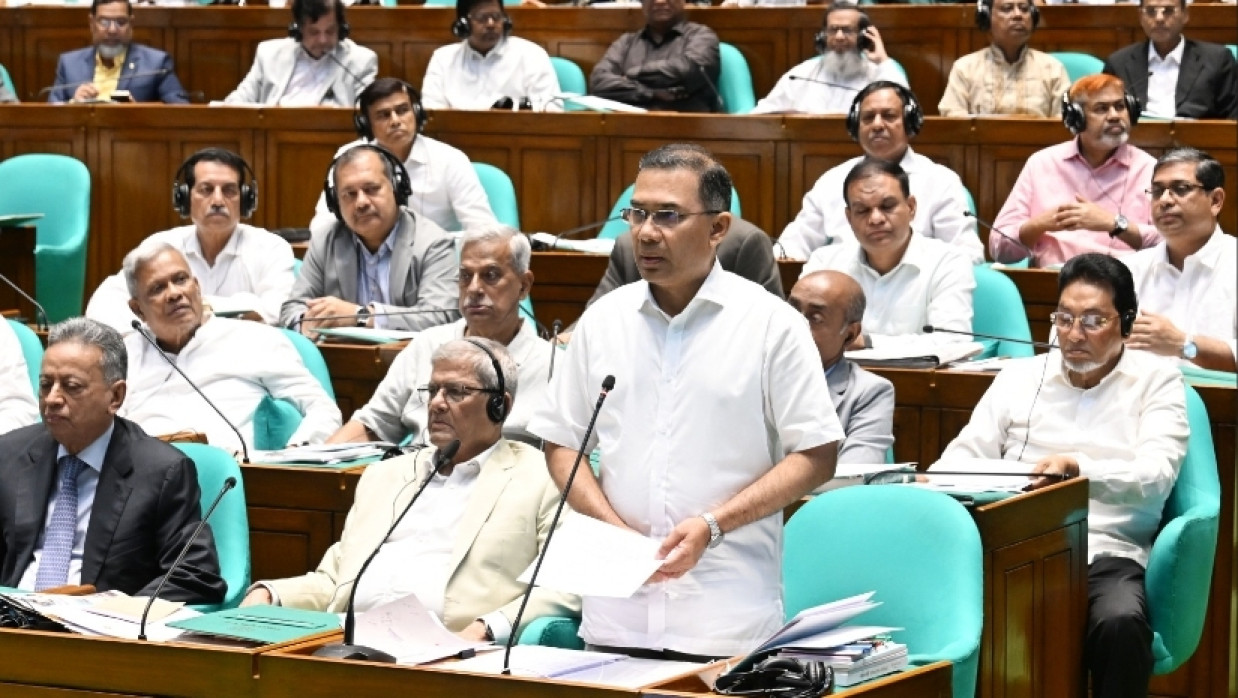
Prime Minister Tarique Rahman has proposed reducing the corporate tax rate for private universities from ten percent to five percent, introducing two mandatory performance-based conditions. The Premier placed the strategic fiscal proposal before the National Parliament on Monday, June twenty-nine.
The Prime Minister stated that private universities currently pay a reduced tax rate of ten percent, which the administration aims to cut in half to ease financial pressure on higher education institutions. However, he emphasized that this fiscal incentive comes with specific institutional responsibilities aimed at national development and social equity.
To qualify for the proposed five percent tax bracket, higher education institutions must implement two core reforms:
-
Language Laboratories: Every private university must actively invest in research and development to teach secondary languages to students. This mandate requires the physical establishment and continuous operational maintenance of modern language labs on campuses.
-
Inclusion of Disadvantaged Talents: Institutions must guarantee fully tuition-free educational access and enrollment opportunities for underprivileged yet meritorious students across the country.
According to sources within the National Board of Revenue (NBR), the existing ten percent income tax rate is uniformly applied across private universities, private medical colleges, dental colleges, engineering institutions, and information technology-based colleges. The government intends to extend the new five percent tax benefit to all these categories in the upcoming fiscal year.
Data from the University Grants Commission (UGC) indicates that there are currently one hundred and sixteen approved private universities in Bangladesh, with one hundred and three actively conducting academic operations. Additionally, the country hosts sixty-six private medical colleges, twenty-six private dental colleges, and twenty private engineering colleges that will fall under the purview of this tax restructuring.
NBR officials clarified that while the tax reduction will initially be implemented without immediate administrative barriers in the next fiscal year, the continuation of the five percent rate in the future will depend strictly on fulfilling the government's development directives. The state believes that lowering the tax burden will allow these institutions to redirect capital into quality research, academic publications, and infrastructure improvements.
 Follow The Daily Campus on Google News