PM Tarique Rahman Vested with Sole Authority to Choose Next President as EC Sets August 20 Polls
The ruling Bangladesh Nationalist Party (BNP) has officially vested the exclusive power to select the country's next president in party Chairman and Prime Minister Tarique Rahman, following an extensive evaluation by its highest policymaking forum. The decision coincides with the Election Commission's formal announcement setting the 23rd presidential election for August 20.
Speaking at a press conference at the Election Building in Agargaon on Thursday afternoon, Election Commission Secretariat Senior Secretary Akhtar Ahmed detailed the official election calendar. According to the schedule, nomination papers must be submitted between 10:00 AM and 4:00 PM on August 13, with formal scrutiny scheduled to begin at 10:00 AM on August 16, and the final withdrawal deadline set for 4:00 PM on August 18. Voting will take place on August 20 from 2:00 PM to 5:00 PM.
The presidential office became vacant on July 24 following the resignation of former President Mohammed Shahabuddin on health grounds. Under constitutional mandates and the Presidential Election Act of 1991, the election must be completed within 90 days of the vacancy. The commission confirmed it received the electoral roll comprising 349 members of parliament from the Parliament Secretariat following a series of preparatory meetings.
While Law Minister Md. Asaduzzaman previously indicated that the election could coincide with the regular parliamentary session in September, high-level government planning is closely tying the timeline to the implementation of the July National Charter and upcoming constitutional amendments. Political analysts, such as Professor Dr. Dilara Chowdhury, emphasize that the national interest demands a candidate capable of upholding strict constitutional neutrality and executive responsibility alongside partisan trust.
BNP insiders report that the party is exercising exceptional caution in evaluating contenders, carefully weighing political longevity, international recognition, personal integrity, organizational balance, and potential future political risks. Following historical precedent that previously entrusted similar decisions to former Prime Minister Khaleda Zia, the party's national standing committee—which convened a detailed discussion session last Saturday—unanimously placed the final nomination authority in the hands of Prime Minister Tarique Rahman.
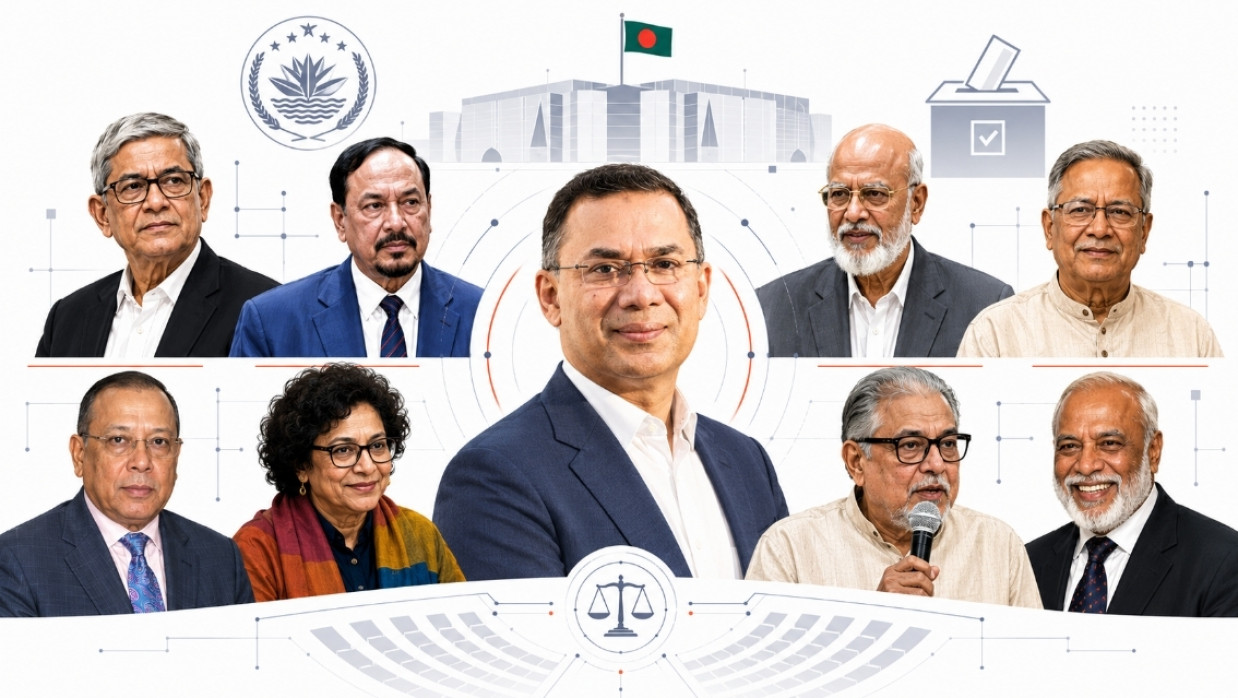
Among internal figures, BNP Secretary-General and LGRD Minister Mirza Fakhrul Islam Alamgir has emerged as a prominent topic of discussion. Supporters highlight his more than a decade of service as secretary-general, his resilience in keeping the party united through severe crackdowns under the previous Awami League regime, and his clean, gentlemanly public image. Figures including former interim government law adviser Professor Asif Nazrul have publicly endorsed him as an ideal candidate, and close associates note his personal willingness to serve if called upon.
Other senior standing committee members under consideration include Dr. Khandaker Mosharraf Hossain, the party's most senior policymaker who joined politics under founder Ziaur Rahman, served multiple terms as an MP from Comilla-1, held several ministerial portfolios, and weathered major political crises without causing party splits.
Additional internal contenders include standing committee members Dr. Abdul Moyeen Khan and Nazrul Islam Khan, alongside former Education Minister Dr. Osman Faruk, whose family maintains close international ties, particularly with the United States. Current Acting President and Jatiya Sangsad Speaker Major (Retd.) Hafiz Uddin Ahmed—a veteran freedom fighter, renowned athlete, global sports organizer, and founding senior officer of the Bangladesh Army who remains deeply respected within military ranks—has also drawn significant support.
External figures outside direct party ranks have similarly surfaced in public discourse, including former interim government Chief Adviser Professor Dr. Muhammad Yunus, recently retired Chief Justice Syed Refaat Ahmed, and UN Permanent Representative Irene Khan, who has held prominent roles within international organizations and Amnesty International.
Selecting a sitting cabinet minister and party secretary-general like Mirza Fakhrul would necessitate significant structural adjustments across the cabinet, party leadership, and his parliamentary constituency in Thakurganj-1. Party strategists are analyzing whether to organize a formal council, appoint an acting secretary-general, or temporarily distribute responsibilities regionally during the early phase of the government's term.
Following the national standing committee meeting, BNP Secretary-General Mirza Fakhrul Islam Alamgir outlined the party's approach to the succession process to the media.
"The policymaking forum discussed how the country's next president will be chosen, and whether the candidate will come from within the BNP or outside," Mirza Fakhrul said. "The party chairman will make the final decision in accordance with the constitution and necessary laws."
Echoing this sentiment regarding party discipline and readiness, an anonymous member of the BNP standing committee shared insights from the closed-door deliberations.
"I have been involved in BNP politics for a long time. I have tried to carry out every responsibility assigned by the party," the leader stated. "If the party entrusts me with this duty, I will certainly uphold the dignity of the presidential office, Inshallah."
Government and party insiders note that the presidential election is intricately linked with upcoming legislative changes. The administration is preparing to introduce the 18th Amendment bill during the parliamentary session in September, which may incorporate proposals from the July National Charter regarding the balance of power between the president and the prime minister.
Analysts suggest that any statutory expansion of the presidency's authority could reshape the criteria for final candidate selection. For now, political observers emphasize that all final determinations remain dependent on the directive of Prime Minister Tarique Rahman.
 Follow The Daily Campus on Google News