Women on the Campaign Trail; Dhaka’s 2026 Election Sees New Voices Amid Old Barriers
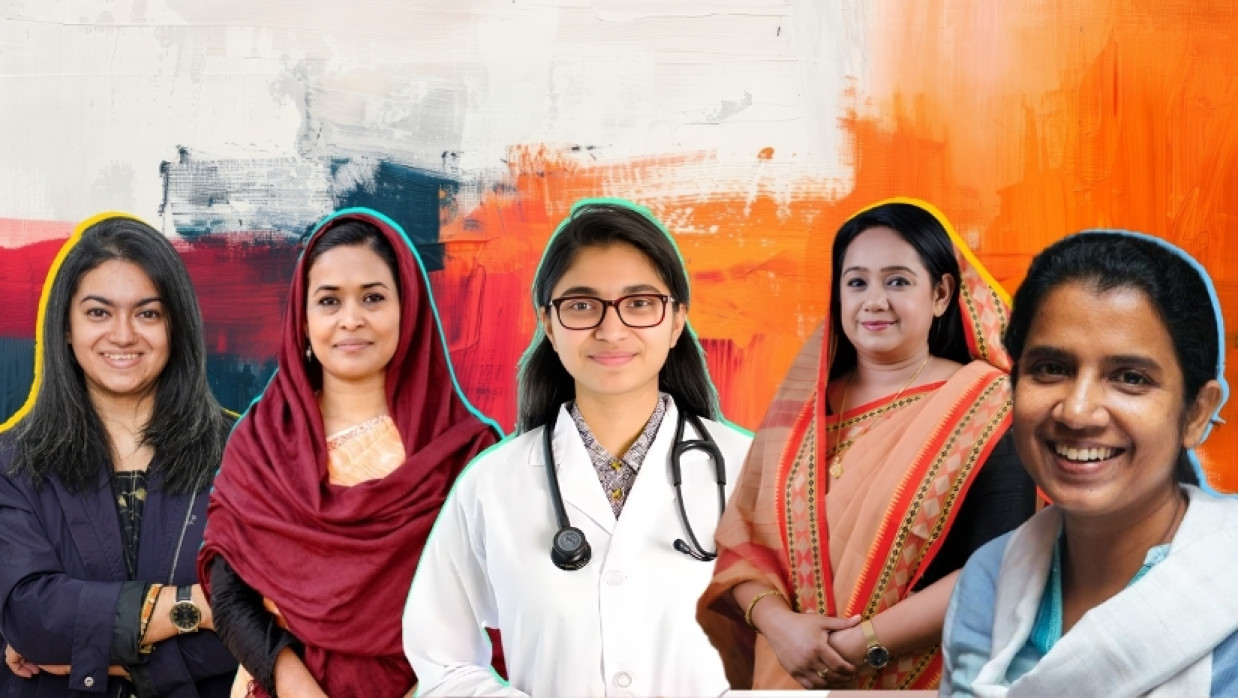
On the final day of the 2026 election campaign, the streets of the capital hummed with a different kind of energy. In Mirpur, a massive crowd gathered around Sanjida Islam Tulee of the BNP. Across town in Banasree, Dr. Tasnim Jara, a physician running as an independent, was surrounded by young voters seeking selfies. Meanwhile, under the harsh Ashulia sun, Dilshana Parul of the NCP continued her door-to-door outreach. These women represent a small but determined group of 17 candidates contesting 13 of Dhaka’s 20 parliamentary seats.
Despite the visibility of these figures, the numbers tell a story of significant gender disparity. These 17 women make up only 9 percent of the 190 candidates in the capital. The national picture is even more stark; across the entire country, only 78 women are running among 1,981 total contenders, a mere 3.93 percent of the field.
Seats and candidates
Dhaka‑1: Antara Selima Huda (independent)
Dhaka‑5: Shahinur Akhtar Sumi (SPB‑Marxist)
Dhaka‑7: Shahana Selim (JSD), Seema Dutta (SPB‑Marxist)
Dhaka‑8: Meghna Alam (Gono Odhikar Parishad)
Dhaka‑9: Tasnim Jara (independent), Najma Akhtar (Gono Forum)
Dhaka‑10: Nasrin Sultana (AB Party), Bohni Bepari (Jatiya Party)
Dhaka‑11: Kohinoor Akhtar Bithi (independent)
Dhaka‑12: Taslima Akhter (Ganosamhati), Salma Akhtar (Insaniat Biplob)
Dhaka‑13: Fatema Akhtar Munia (Insaniat Biplob)
Dhaka‑14: Sanjida Islam Tulee (BNP)
Dhaka‑18: Sabina Javed (NPP)
Dhaka‑19: Dilshana Parul (NCP)
Dhaka‑20: Nabila Tasnid (NCP)
The female candidates in Dhaka are spread across various constituencies with varying levels of competition. In Dhaka-7, Dhaka-9, Dhaka-10, and Dhaka-12, two women are facing off against each other and their male counterparts. In nine other seats, including Dhaka-1, Dhaka-14, and Dhaka-20, there is a solitary female voice on the ballot. Perhaps most telling of the institutional gap is the fact that seven of Dhaka’s constituencies have no female candidates at all.
These women come from a broad spectrum of professional and activist backgrounds. The roster includes engineers, lawyers, and cultural workers. Taslima Akhter, contesting Dhaka-12, is a well-known veteran of garment workers’ rights movements. Sanjida Islam Tulee founded "Mayer Daak" following the enforced disappearance of her brother, while Meghna Alam of the Gono Odhikar Parishad entered the political arena after being detained under the Special Powers Act.
Running for office in 2026 remains a gauntlet for women. Candidates frequently cite "muscle politics" and physical harassment at rallies as primary concerns. However, the modern campaign trail has introduced new threats. Online bullying and the spread of fake news have become persistent issues. Tulee noted that cyberbullying remains largely unchecked by authorities, creating an additional burden for female politicians.
Social conservatism and financial hurdles also loom large. Independent candidates like Dr. Jara have had to rely on crowdfunding and small, dedicated teams of volunteers. Her campaign faced an early setback when her "Football" symbol was only reinstated after a legal appeal. Shireen Pervin Huq of the Women’s Reform Commission pointed out that political parties failed to meet even the modest 5 percent female nomination pledge established in the July Charter.
With 4.12 million women among Dhaka’s 8.47 million registered voters, the participation of female candidates is not just a matter of symbolism but of representation. Activists argue that low representation in Parliament ensures that the lived experiences of half the population remain excluded from the lawmaking process.
As the interim period concludes and the country heads to the polls tomorrow, the presence of these 17 women signals a slow but persistent shift in the political landscape. Regardless of the final tally, observers like Huq believe the courage shown by these candidates will serve as a catalyst for future generations of women to enter the political fray. Dhaka has shown that while the barriers are old, the voices challenging them are entirely new.
 Follow The Daily Campus on Google News