Khaleda Zia and the Weight of Rare Public Grief
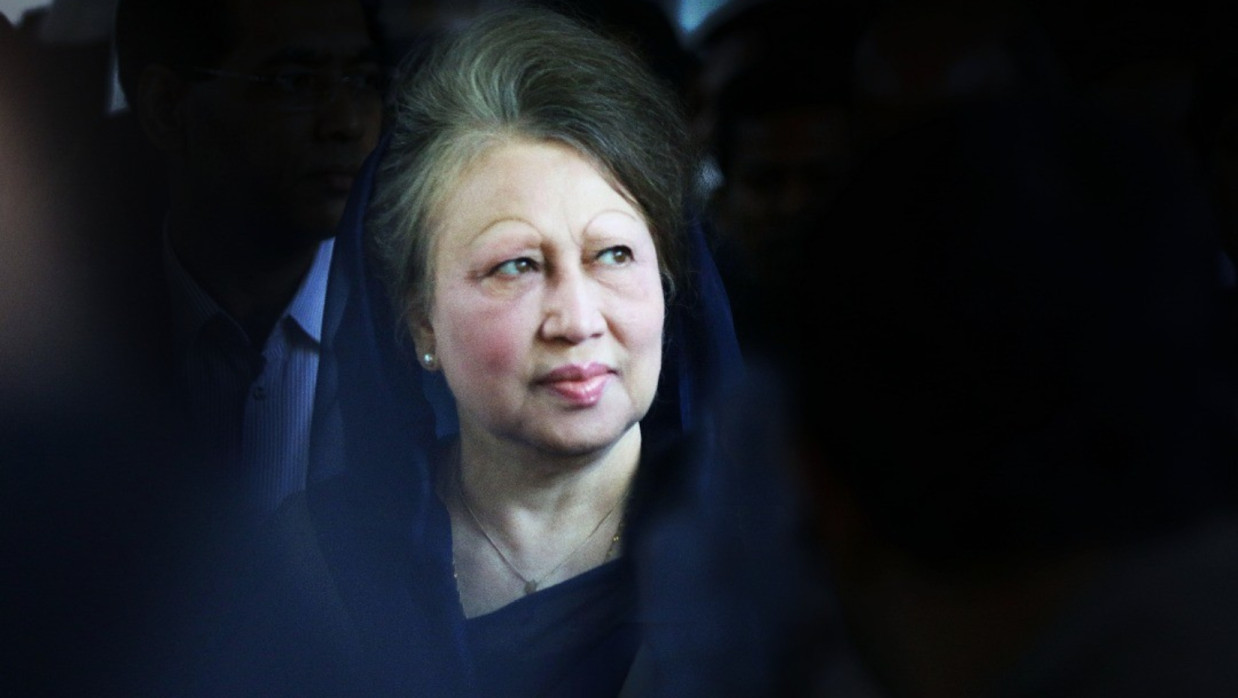
In Bangladesh's political culture, where public tears are frequently used as a deliberate strategy, Begum Khaleda Zia stood out for her almost unbroken composure. What many sometimes misread as detachment was, in reality, deliberate restraint, a refusal to let emotion become a tool for sympathy, manipulation, or political gain.
Yet, precisely because she so rarely showed grief in public, the few moments when she did remain etched in collective memory. These were not performances. They were raw, unguarded, and deeply human, and they occurred only at the deepest intersections of personal loss and irreversible pain.
Here are the four most significant moments when the nation saw her break:
1. May 1981: The Assassination of President Ziaur Rahman
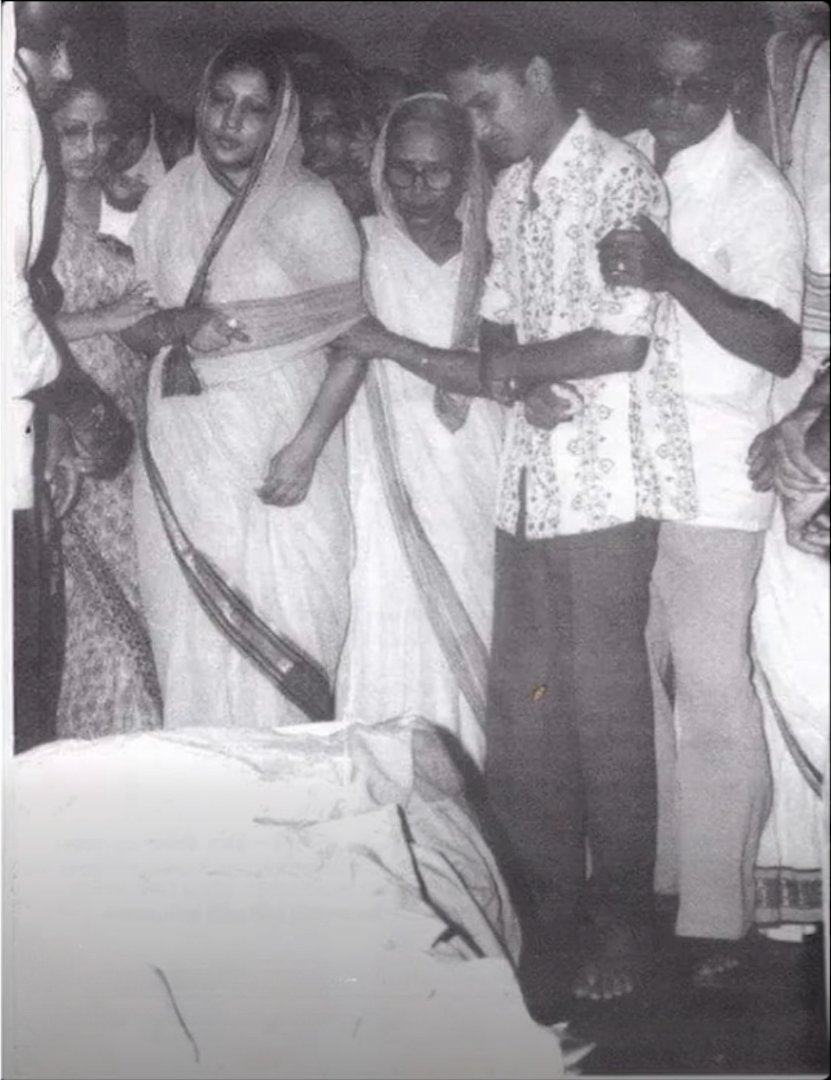
After the failed military coup in Chattogram Circuit House on 30 May 1981, Khaleda Zia was seen clinging to her husband's body, overwhelmed by a grief that was at once national and intensely personal. There was no speech, no appeal, no performance. Only a young widow confronting sudden, irreversible devastation.
2. 11 September 2008: Tarique Rahman's Departure for Treatment
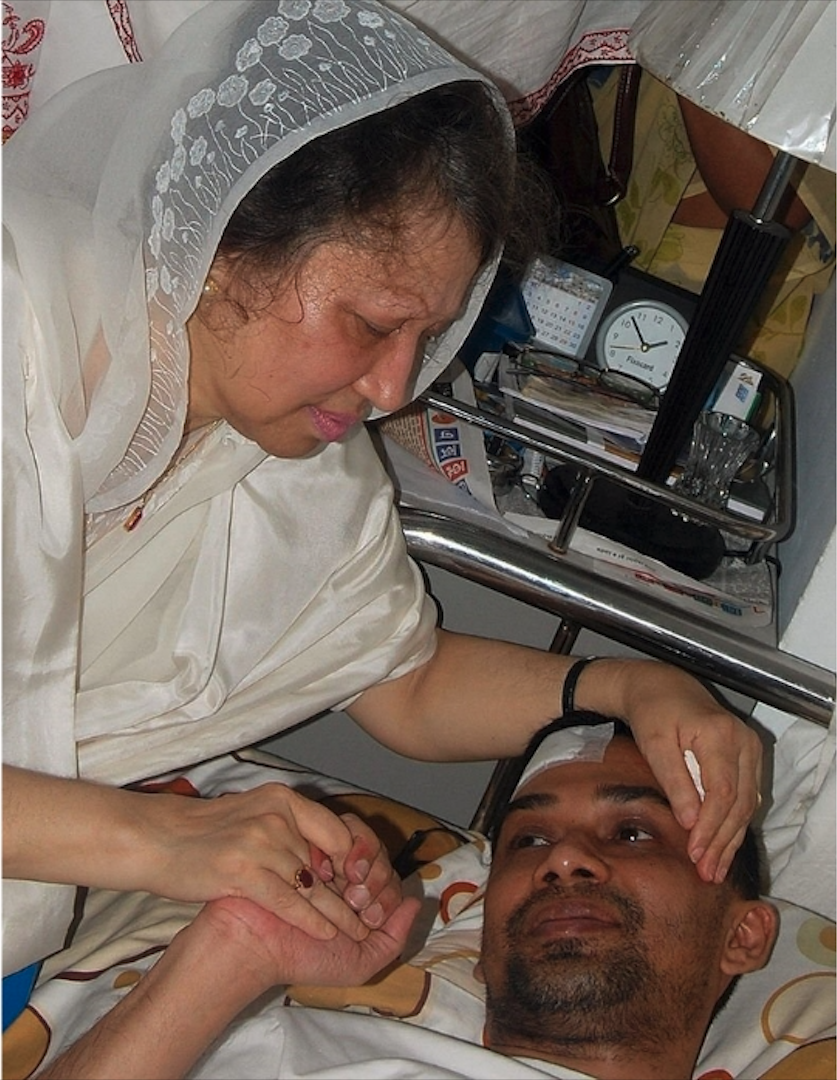
At PG Hospital (now Bangabandhu Sheikh Mujib Medical University) in Dhaka, her elder son Tarique Rahman, gravely ill after prolonged detention under the military-backed caretaker government and widely reported custodial abuse, was being sent abroad for urgent medical care. As he lay frail and visibly weakened, Khaleda Zia was seen breaking down. It was not political theatre; it was a mother watching her son leave the country because of incarceration-born necessity.
3. November 2010: Eviction from Cantonment Residence
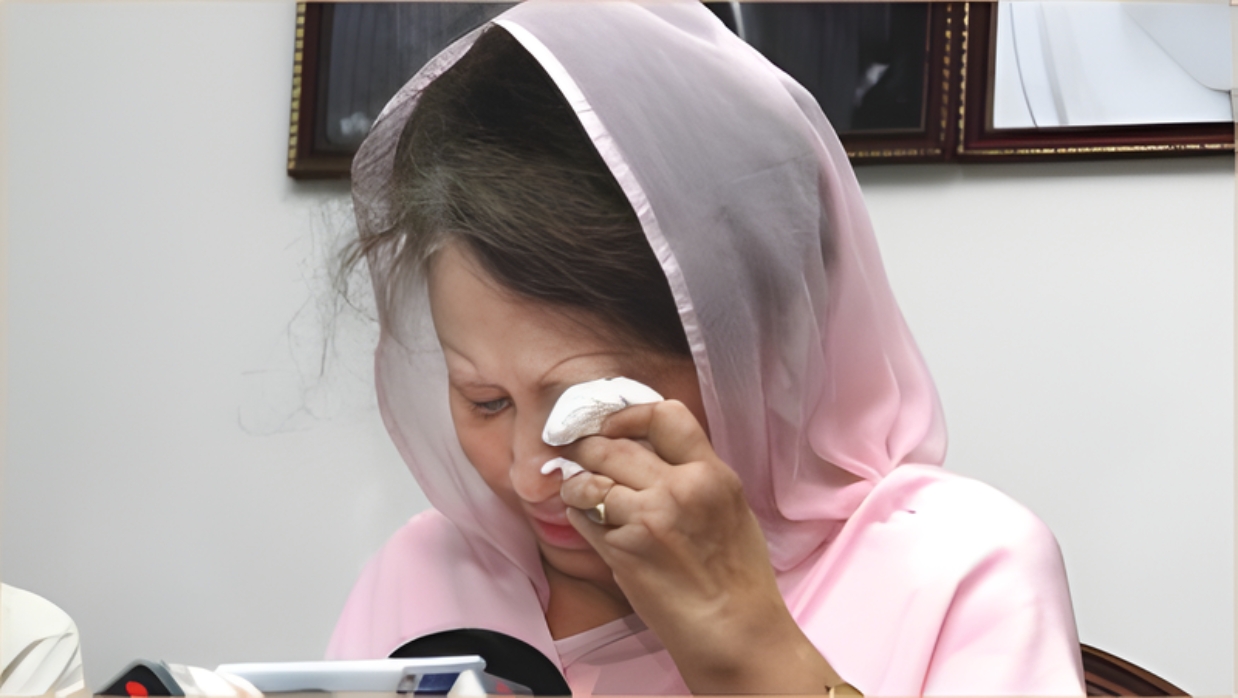
When she was forcibly removed from her 28-year-old home on Moinul Road in Dhaka Cantonment, a house tied to her husband's legacy and their shared history, Khaleda Zia appeared visibly shaken while speaking to the media. The tears were not merely about losing a house; they were about the symbolic erasure of memory, history, and personal sacrifice.
4. January 2015: Death of Younger Son Arafat Rahman Koko
.jpg)
The most devastating moment came when the coffin of her younger son Arafat Rahman Koko arrived in Dhaka after his sudden death in Malaysia. Her composure finally gave way completely. There were no accusations, no political statements, no public lament, only raw, unfiltered grief. What makes these moments so powerful is everything that did not break her.
She did not cry when her supporters failed to prevent her eviction. She did not cry when she was relentlessly mocked, caricatured, and vilified by the state. She did not cry when she was sent to prison, nor when she battled serious illness while incarcerated. Even under critical health conditions, she did not complain, explain, or seek sympathy.
Her tears appeared only when family, loss, and irreversible harm collided, never for power, humiliation, or political defeat. Even in sorrow, she maintained restraint. Even in grief, she avoided grievance.
In an era where emotion is routinely weaponised, Khaleda Zia's composure stands apart. Her rare public grief endures not because it was dramatic, but because it was profoundly human, quiet reminders that dignity, once chosen, can survive exile, imprisonment, and loss.
 Follow The Daily Campus on Google News