Nearly Half of SSC-Registered Students Drop Out Before HSC Examinations
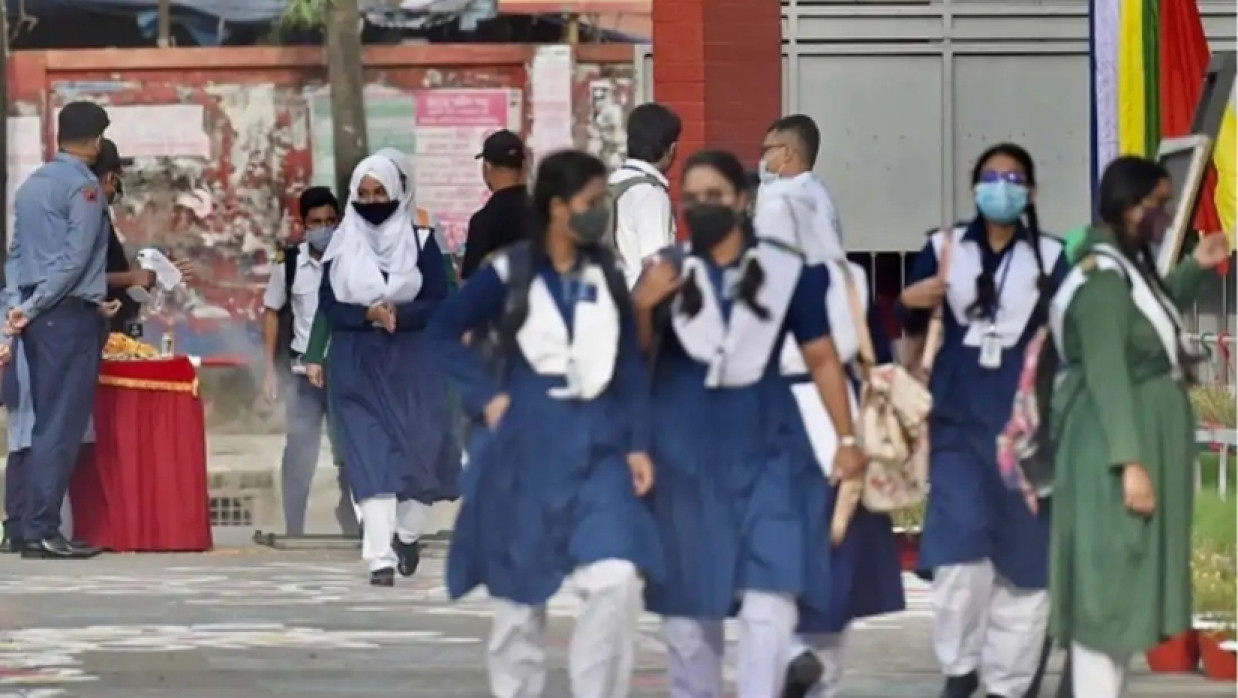
Nearly half of the students who formally registered for the Secondary School Certificate (SSC) examinations at the secondary level have failed to remain within the regular education system upon reaching the higher secondary tier. A batch-based data analysis of the current Higher Secondary Certificate (HSC) candidates reveals that 1,895,399 students had initially registered for the SSC examinations during their ninth-grade academic year.
However, only 947,943 students are appearing as regular candidates in the upcoming 2026 HSC examinations, scheduled to commence next Thursday (July 2). This indicates that 947,456 students have fallen out of the regular stream of education by the time they reached the higher secondary level.
According to data compiled by the education boards, a total of 2,024,192 regular and irregular candidates under 11 education boards sat for the SSC examinations held in 2024. The overwhelming majority of these candidates consisted of students who entered secondary school and completed their academic registration in the ninth grade back in 2022. Out of those examinees, 1,672,153 students successfully passed the secondary threshold.
Subsequently, 1,491,872 students from that specific batch enrolled and registered as regular students in the eleventh grade. Two years later, only 947,943 of them successfully filled out their examination forms as regular candidates for the 2026 HSC examinations.
Board sources confirmed that a total of 1,267,486 candidates are participating across the 11 education boards in this year's HSC and equivalent examinations. Among them, 947,943 are regular examinees, while the remaining 319,543 are irregular, private, or appearing for subject-based GPA improvement exams.
"In 2025, we conducted a comprehensive research study on the root causes of student dropouts at the secondary level. The findings revealed that child marriage remains one of the primary drivers behind female student dropouts, a trend exceptionally prevalent in the northern region of the country, as well as coastal districts like Shariatpur and Madaripur. Additionally, financial constraints were identified as a major factor forcing students out of schools in parts of Sylhet."
— Professor S.M. Kamal Uddin Haider, Secretary, Board of Intermediate and Secondary Education, Dhaka
A gender-specific breakdown of the dropout statistics shows that 865,600 female students and 806,553 male students passed the SSC and equivalent examinations in 2024. In stark contrast, 502,865 female students and 445,857 male students are appearing as regular candidates in the 2026 HSC examinations.
The statistical trend indicates that over the span of two years, 362,735 female students and 360,696 male students dropped out of regular academic progression. While the absolute number of dropouts is slightly higher among female students, the percentage-wise decline among male students presents a more alarming scenario. The dropout rate among male students stands at 44.72%, whereas the rate for female students is calculated at approximately 41.91%.
According to education board officials, pervasive poverty, child marriage, outbound international migration, entering the family workforce as earners, substandard classroom instruction, and learning deficits are the principal catalysts driving students away from higher secondary education post-minor graduation.
Speaking to The Daily Campus regarding these findings, Professor S.M. Kamal Uddin Haider, Secretary of the Dhaka Education Board, stated, "In 2025, we conducted a comprehensive research study on the root causes of student dropouts at the secondary level. The findings revealed that child marriage remains one of the primary drivers behind female student dropouts, a trend exceptionally prevalent in the northern region of the country, as well as coastal districts like Shariatpur and Madaripur. Additionally, financial constraints were identified as a major factor forcing students out of schools in parts of Sylhet."
Addressing the issue of students not participating in this year's examinations, he clarified, "We are not classifying this entirely as an absolute dropout. Many students were unable to participate in the examinations this year, but they may return to sit for the exams in the future. Non-participation can stem from various immediate factors, including failing the qualifying test (test exams), getting married, or suddenly engaging in income-generating activities to support families facing unexpected financial crises."
When questioned whether the education board has issued any corrective directives to institutional heads, the Secretary replied, "Instead of targeting individual schools, we are prioritizing and working on specific geographical regions where this dropout trend is significantly higher. We shared last year's research report with the Ministry of Women and Children Affairs, and they have been actively working on the ground in those vulnerable areas to prevent child marriage."
 Follow The Daily Campus on Google News