What is Parole: Understanding the Concept and Context
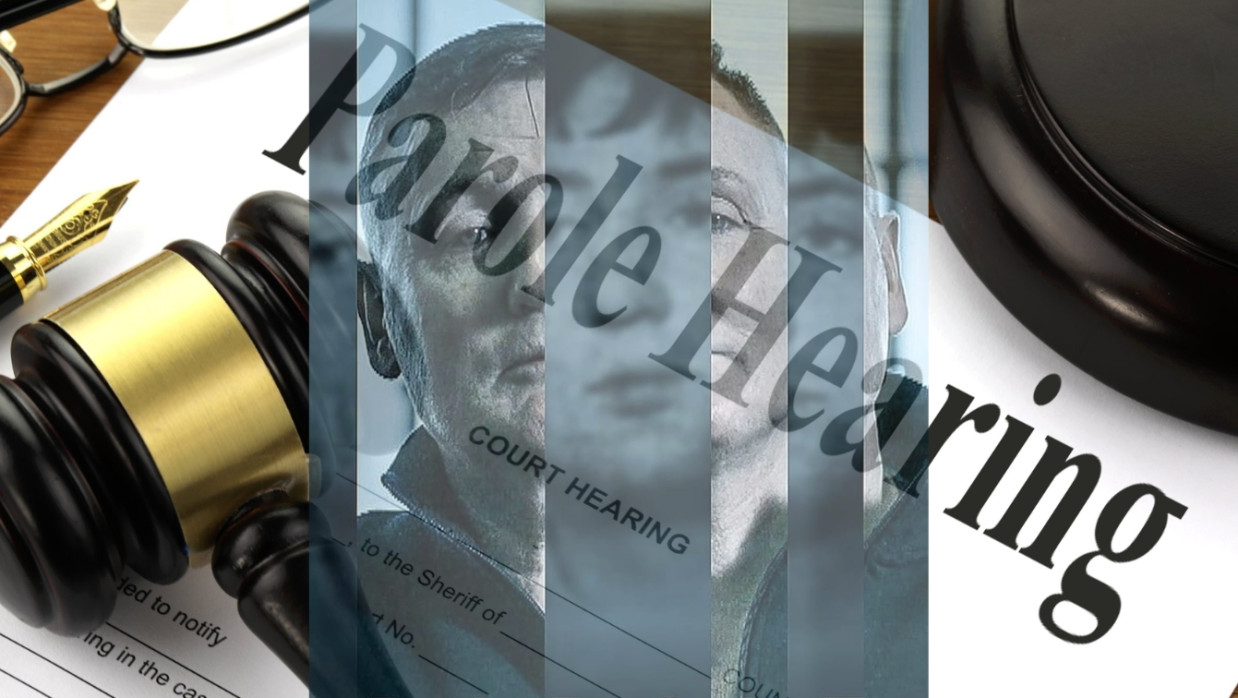
Often confused with "bail" or "pardon," Parole stands as a unique legal mechanism in the criminal justice system. It represents a bridge between incarceration and complete freedom, allowing a prisoner to serve the remainder of their sentence in the community under specific supervision.
What is Parole?
Parole is the provisional release of a prisoner who agrees to certain conditions before the completion of their maximum sentence. Unlike bail (which occurs before or during a trial), parole is granted after a person has been convicted and has served a significant portion of their jail term.
The History: From Military Honor to Legal Reform
The term originates from the French phrase parole d'honneur ("word of honor").
Origin: Historically, it was used in the 18th century for prisoners of war, who were released upon promising not to take up arms again.
Modern Evolution: The concept was revolutionized in the mid-19th century by Alexander Maconochie (in Norfolk Island) and Walter Crofton (in Ireland), who introduced the "mark system"—where good behavior earned prisoners early release.
Why Does Parole Exist?
The philosophy behind parole is rooted in Rehabilitation rather than pure Retribution.
1. Incentivized Reform: It encourages prisoners to maintain good behavior.
2. Reintegration: It allows for a gradual transition back into society, reducing the "prison shock."
3. Decongestion: It helps manage overcrowded prison facilities.
Global Presence: Which Countries Have It?
Most modern democracies employ parole systems, though the structures vary:
USA & UK: Highly structured parole boards with strict supervision.
Canada & Australia: Use "Statutory Release" where inmates serve the final third of their sentence in the community.
Norway: Focuses heavily on reintegration, where almost all sentences include a parole possibility to ensure the inmate is supervised upon release.
Common Conditions and Duration
Parole is never unconditional. If a "parolee" breaks a rule, they are sent back to prison (Parole Revocation). Conditions typically include:
- Regular reporting to a Parole Officer.
- Maintaining steady employment.
- Avoiding contact with victims or co-defendants.
- Remaining within a specific geographic area.
- Duration: Usually granted for the remaining duration of the original court sentence.
The Situation in Bangladesh
In Bangladesh, the concept of parole is relatively restricted and often functions differently than in Western systems.
Legal Framework: Governed primarily by the Prisons Act, 1894 and the Prison Rules, along with executive orders from the Ministry of Home Affairs.
Current Practice: In Bangladesh, parole is frequently granted on humanitarian grounds—such as attending the funeral of a close relative or visiting a critically ill family member. These are usually short-term (hours or a few days).
Policy Gap: While the Probation of Offenders Ordinance, 1960 exists for first-time offenders, a comprehensive "Permanent Parole" system for long-term reintegration remains a subject of ongoing legal debate and reform calls by human rights activists.
 Follow The Daily Campus on Google News