Who Really Won the US-Iran War? 3 Reasons Why Both Sides Are Claiming Victory
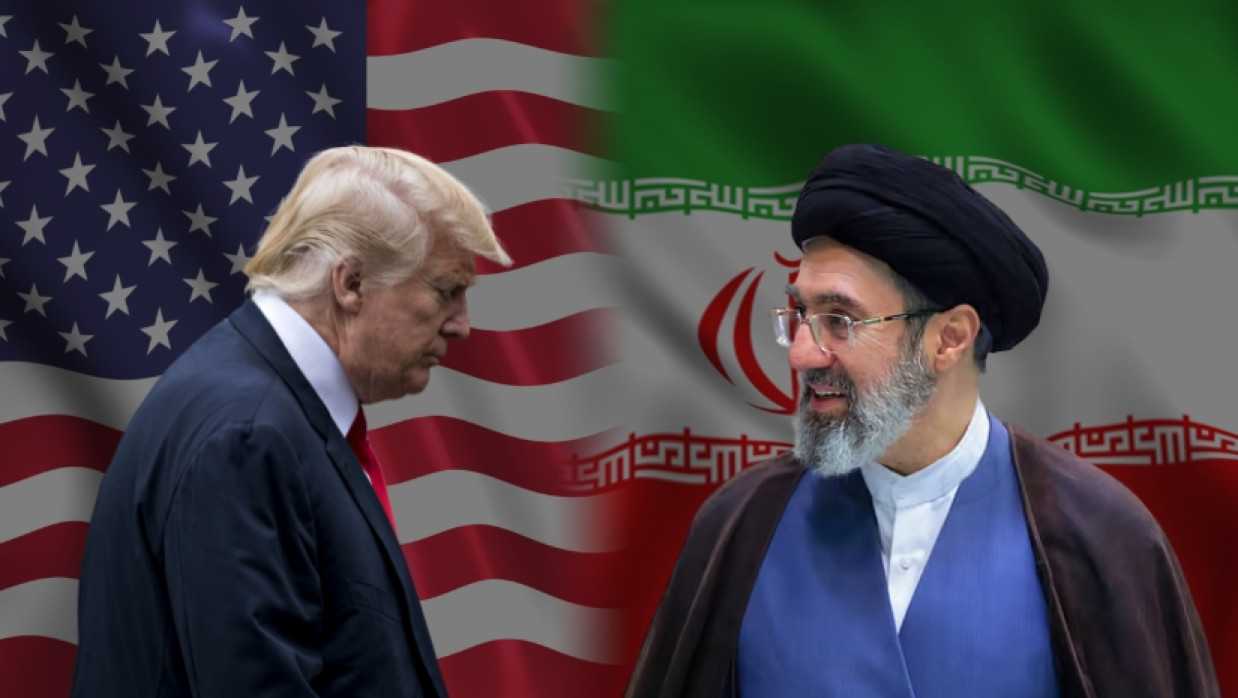
The two-week ceasefire between the United States and Iran has brought an immediate pause to direct hostilities, but it has not produced a clear victor. As both Washington and Tehran declare success, the outcome reflects a complex strategic stalemate rather than a decisive triumph for either side.
As an international relations analyst, here is a breakdown of why both countries are claiming victory and what the reality looks like on the ground.
Why the US Claims Victory
President Donald Trump and his administration have described the conflict as a “total and complete victory.” Their narrative rests on three key pillars:
- Neutralising Leadership and Regime Pressure: Joint US-Israeli strikes on 28 February 2026 reportedly killed Supreme Leader Ali Khamenei, striking at the heart of the Iranian regime.
- Military Dominance: Through “Operation Epic Fury,” the US claims it severely degraded Iran’s nuclear facilities and ballistic missile capabilities, significantly weakening Tehran’s long-term threat potential.
- Forced Concessions: Washington views Iran’s agreement to reopen the Strait of Hormuz and accept a ceasefire as proof that its “maximum pressure” campaign worked. From the US perspective, forcing Iran back to the negotiating table is itself a major strategic win.
Why Iran Claims Victory
Iran has framed the outcome as a “historic and crushing victory” against American-Israeli aggression. Its claims are built on:
- Survival and Resilience: Despite losing its Supreme Leader and suffering heavy infrastructure damage, the Iranian regime did not collapse and retained the capacity to retaliate regionally.
- Economic Leverage: By closing the Strait of Hormuz — through which roughly one-fifth of global oil passes — Iran created significant global energy disruption, which it says compelled the US to seek a ceasefire.
- Diplomatic Success: Tehran argues that the US was forced to accept its 10-point proposal as a “workable basis” for negotiations, positioning the ceasefire as an American retreat rather than an Iranian defeat.
The Expert Assessment: A Strategic Stalemate
While both sides are spinning the ceasefire as a win for domestic and international audiences, most analysts view the result as a costly stalemate.
- The United States demonstrated overwhelming military superiority but failed to achieve regime change or permanently dismantle Iran’s nuclear programme.
- Iran survived the onslaught and inflicted global economic pain, but at the price of massive internal destruction, loss of life, and isolation.
The real test will come in the upcoming peace talks in Islamabad. Whether this ceasefire becomes the foundation for a lasting agreement or merely a pause before the next round of confrontation remains to be seen.
In international relations terms, this conflict has reinforced a painful lesson: In the 21st century, even superpowers find it extremely difficult to translate military victories into sustainable political outcomes.
 Follow The Daily Campus on Google News