Rohingya Crisis: Tarique Rahman’s Framework and China’s Role
Nearly nine years after the mass flight of Rohingya from Myanmar’s Rakhine State in 2017, Bangladesh continues to host approximately 1.2 million refugees. This is not the first time the country has confronted such an influx; during President Ziaur Rahman’s tenure, Dhaka and Naypyidaw reached a bilateral repatriation agreement in July 1978 following an earlier exodus. That historical precedent connects today’s crisis to a longstanding Bangladeshi effort to secure repatriation, though the scale and nature of current displacement require safeguarding both refugees and host communities while pursuing voluntary return grounded in safety, dignity, and guaranteed rights inside Myanmar.
The prolonged humanitarian strain remains most acute in Cox’s Bazar, where refugee settlements require sustained food, healthcare, water, education, and protection services. Nearby Bangladeshi host communities simultaneously require significant investment in public infrastructure, local livelihoods, and environmental recovery. These escalating demands persist against a backdrop of increasingly unreliable international funding.
In May 2026, the United Nations and its humanitarian partners, operating alongside the Government of Bangladesh, launched an appeal for $710.5 million to address the critical needs of refugees and host populations. The revised appeal represented a 26 percent drop compared to 2025 financial requirements and was formulated strictly to cover a minimum package of life-saving relief. Designed to assist up to 1.56 million individuals across both communities, the figures reflect funding targets rather than secured disbursements.
The risks of leaving displaced populations without a foreseeable future extend well beyond the camps. According to UNHCR figures, more than 6,500 Rohingya attempted perilous maritime journeys in 2025, leaving nearly 900 reported dead or missing across the Andaman Sea and the Bay of Bengal. These fatal crossings underscore the necessity of shielding people from human traffickers while expanding access to lawful opportunities, meaningful education, and skills training throughout displacement.
Security dynamics present parallel challenges, as organized trafficking in people, narcotics, and firearms, alongside violence perpetrated by criminal and armed factions, endangers refugees and host residents alike. While robust criminal investigations and bilateral border cooperation remain critical, policy analysts emphasize that enforcement actions must target perpetrators directly rather than casting collective blame across the displaced Rohingya population.
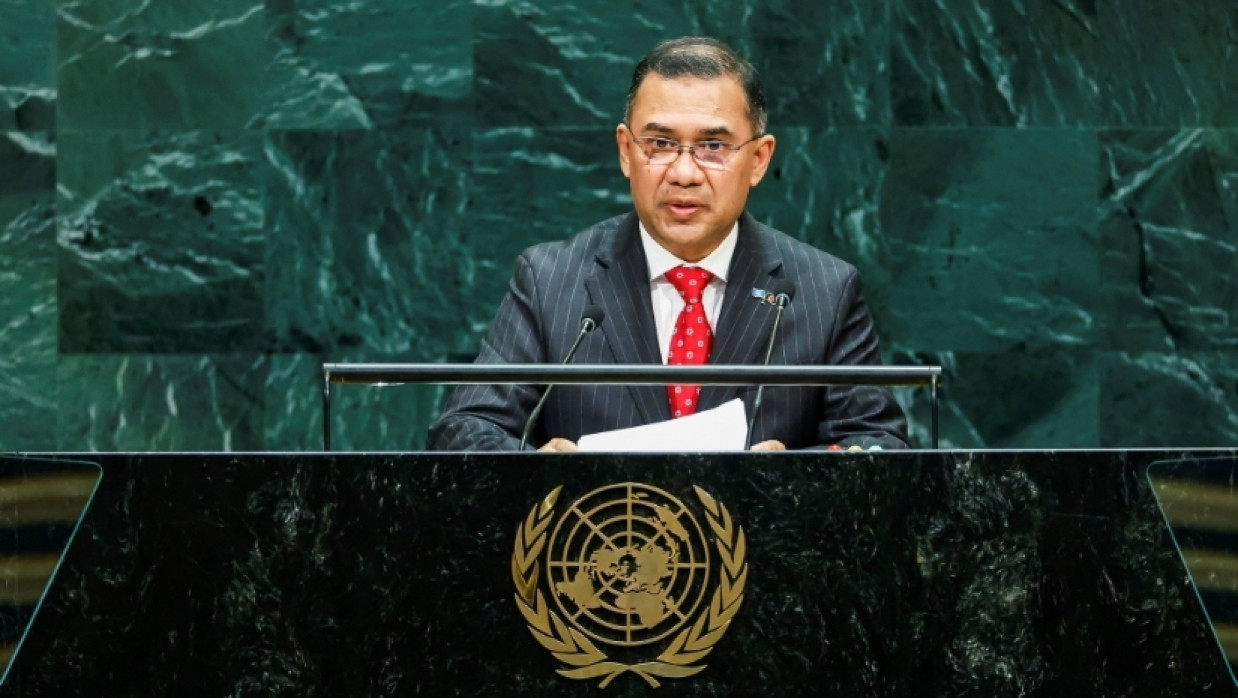
Addressing a high-level sideline event co-convened by Bangladesh and The Gambia at the United Nations headquarters on September 23, 2026, Prime Minister Tarique Rahman called on the global community to move beyond indefinite camp management and confront root drivers. The prime minister tabled five core measures: an early, voluntary, safe, dignified, and sustainable repatriation roadmap; an immediate halt to violence against civilians in Myanmar alongside protection for fundamental Rohingya rights; predictable and adequate humanitarian financing for refugees and host areas; accountability for grave international crimes; and broader regional and global coordination against narcotics, illicit firearms, human trafficking, and cross-border digital scams.
The strength of Rahman’s framework lies in tying repatriation directly to the verified conditions required to make physical return viable. Diplomatic planners caution that departure dates or prospective returnee lists cannot substitute for actual safety. Displaced families considering return require clear assurances on whether they can resettle in their original home areas, secure legal identity and civil rights, exercise freedom of movement and employment, and rely on independent post-return monitoring.
Implementing such protections faces steep operational barriers on the ground, given documented reports of serious atrocities in Rakhine State involving both the Myanmar military and the Arakan Army. Rahman acknowledged that diplomatic rhetoric alone cannot overcome these realities, making independent verification within prospective return zones essential.
China remains a pivotal actor due to its strategic leverage over both Dhaka and Naypyidaw, having previously convened tripartite discussions on repatriation. During Rahman’s official visit to Beijing in June 2026, the two governments addressed the Rohingya crisis within their joint communiqué. Bangladesh welcomed China’s constructive mediation, while Beijing commended Bangladesh’s humanitarian role, endorsed a mutually negotiated bilateral solution, and pledged continued facilitation to the best of its ability.
While this diplomatic opening offers Dhaka momentum, the June communiqué stopped short of setting specific repatriation timelines, independent monitoring arrangements, or binding legal safeguards for returnees. That omission reflects the text of the published document rather than an explicit Chinese rejection of those mechanisms. Analysts observe that Beijing’s facilitation would carry far greater practical weight if it produced measurable on-the-ground progress in Rakhine State.
China maintains substantial economic and strategic stakes in Myanmar, where secure energy corridors and transport networks depend heavily on regional stability. Bangladesh holds a compelling diplomatic argument to present to Beijing: lasting regional security is impossible without safeguarding and including Rakhine State’s resident communities, including the Rohingya. While this remains a strategic case for Dhaka to pitch rather than an existing Chinese policy pledge, Bangladesh can leverage Chinese mediation to demand recorded negotiations, verified situational assessments, humanitarian access, and post-return international observation.
Repatriation efforts also remain inextricably tied to legal accountability for past atrocities. At the International Court of Justice, where 11 intervening states are participating in The Gambia v. Myanmar, hearings on the merits took place between January 12 and January 29, 2026, following earlier provisional measures. Concurrently, the International Criminal Court prosecutor applied in November 2024 for an arrest warrant against Myanmar military chief Min Aung Hlaing over alleged crimes against humanity involving deportation and persecution, an application that remains under judicial review and does not constitute a final ruling.
In parallel, the Independent Investigative Mechanism for Myanmar continues to channel documentary evidence to international legal bodies. While judicial processes cannot substitute for active diplomacy, they address a central concern for displaced families: establishing credible assurances that persecution will not recur upon return. For Dhaka, keeping bilateral negotiations and international justice mechanisms moving in tandem prevents nominal, unverified repatriation drives from being mistakenly treated as comprehensive solutions.
Ultimately, resolving the crisis requires measurable realities inside Rakhine State rather than diplomatic declarations. Progress must be judged by civilian safety, recognition of fundamental rights, access for independent observers, and voluntary decisions by displaced families. Continuing the diplomatic precedent initiated during Ziaur Rahman’s administration in 1978, Tarique Rahman’s five-point proposal seeks to advance repatriation while addressing the structural requirements of lasting peace: verifiable security, legal status, judicial accountability, and sustained international support.
Disclaimer: Written by Dr. Saiful Islam, Political Analyst and Professor at the University of Dhaka. The views and opinions expressed in this op-ed are solely those of the author and do not necessarily reflect the views, policies, or editorial position of The Daily Campus.
 Follow The Daily Campus on Google News