Part 1
One Home One Solar : Crisis Management Of Electricity in Bangladesh
Electricity is the foundation of modern economic and social development. Industrial production, agriculture, education, healthcare, communication, transportation and household life all depend on a stable and affordable power supply. Bangladesh has significantly expanded electricity generation and access during the past decades. Nevertheless, uninterrupted, financially sustainable and environmentally responsible electricity remains a major national challenge.
The country’s power problem is not simply a shortage of generation. It is the combined result of dependence on imported fuel, declining domestic gas supply, transmission and distribution weaknesses, system loss, electricity theft, unpaid bills, inefficient consumption, unregulated battery charging and inadequate development of renewable energy. Therefore, building more power plants alone will not resolve the crisis. Bangladesh needs an integrated strategy that combines efficient management of the national grid with decentralised renewable-energy generation.
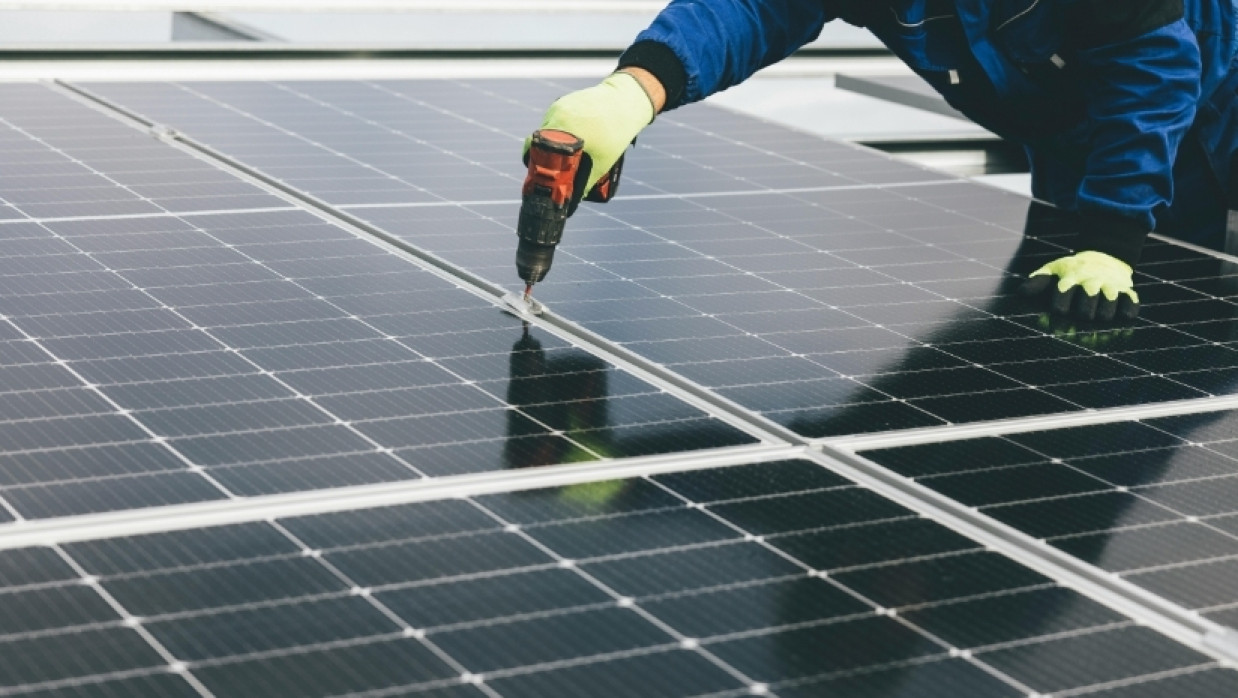
A particularly promising approach is the “One Home, One Solar” programme. Under this concept, suitable rooftops would gradually become small power plants, enabling households to generate part of their own electricity. Such a programme could reduce pressure on the national grid, lower electricity bills, strengthen energy security and accelerate Bangladesh’s transition towards clean energy.
The Nature of the Electricity Crisis
Bangladesh’s electricity sector faces interconnected technical, financial and administrative problems. Officially recorded demand does not always represent the actual amount of electricity being consumed. Illegal connections, meter bypassing, billing errors and unauthorised loads often remain outside the formal calculation. When actual consumption is considerably higher than recorded demand, transformers, distribution lines and other equipment operate under excessive pressure.
For example, a transformer designed to serve a recorded demand of 300 kilowatts may in reality carry a load of nearly 500 kilowatts. This hidden overload causes low voltage, frequent interruptions, overheating, equipment failure and an increased risk of electrical fires. It also makes accurate planning extremely difficult because power-sector authorities cannot upgrade infrastructure effectively without reliable information about actual consumption.
System loss must therefore be understood in two categories. Technical loss occurs because of ageing transmission lines, inefficient transformers, long distribution routes and poorly maintained infrastructure. Non-technical loss results from theft, meter tampering, inaccurate billing and unauthorised consumption. These two forms of loss require different solutions. Technical loss demands investment and modernisation, while non-technical loss requires better governance, digital monitoring, fair enforcement and improved access to legal connections.
Fuel Dependence and Financial Pressure
Bangladesh’s power generation system remains heavily dependent on natural gas, oil, coal and other conventional fuels. When domestic gas supply becomes insufficient, the country must rely more heavily on imported energy. Changes in international fuel prices and foreign-exchange availability consequently affect the cost and reliability of electricity generation.
The financial condition of the electricity sector is further weakened by unpaid bills. When consumers, industries, commercial organisations or public institutions fail to pay electricity bills, distribution companies face serious cash-flow problems. They then struggle to purchase fuel, pay power producers, repair damaged infrastructure and invest in system expansion.
The burden of accountability should not fall only on poor households and small consumers. Large commercial, industrial and institutional defaulters must also be identified and treated under the same legal and administrative principles. Transparent disclosure, digital billing and equal enforcement are essential for restoring public confidence.
Unplanned Demand and Electric-Vehicle Charging
The rapid growth of battery-powered rickshaws and other small electric vehicles has created a new pattern of electricity demand. These vehicles provide employment, affordable transportation and comparatively low local air pollution. They should not simply be described as a burden on the power system. The real problem lies in unregistered connections, inefficient chargers, old batteries and the simultaneous charging of thousands of vehicles during peak hours.
Low-quality chargers waste electricity by producing excessive heat and drawing unnecessary current. Poor power factor can place additional pressure on local transformers and distribution lines. Old batteries also require more electricity to achieve the same level of charge, while unsafe recycling of lead and acid creates severe environmental and health hazards.
A total ban would harm drivers, owners and passengers without addressing the underlying technical problem. A more effective solution would include vehicle registration, legal commercial connections, energy-efficient chargers, scheduled charging, off-peak tariffs and properly managed solar-powered charging stations.
Inefficient Use of Electricity
Electricity shortages are intensified when energy is used inefficiently. Old lights, inefficient fans, conventional air conditioners, defective wiring and appliances left on standby increase household and institutional demand unnecessarily. A successful energy policy should therefore begin with conservation.
The principle should be “efficiency first, solar second.” Replacing conventional lights with LEDs, using efficient fans and inverter air conditioners, improving electrical wiring and reducing standby consumption can significantly lower demand. A household that reduces unnecessary consumption can meet a larger share of its needs with a smaller and less expensive solar system.
Energy efficiency should also become a priority in factories, offices, educational institutions, hospitals and public buildings. Regular energy audits, efficiency labelling and minimum performance standards for appliances could reduce national demand without reducing economic activity or living standards.
Rooftop Solar as a Strategic Solution : Bangladesh receives abundant sunlight, making solar energy one of its most accessible domestic resources. Rooftop solar is especially suitable because it does not require the acquisition of valuable agricultural land. Homes, factories, schools, hospitals, markets, offices and government buildings collectively possess an enormous amount of unused roof space.
The “One Home, One Solar” idea does not mean installing an identical system in every household. Each installation should be designed according to the household’s electricity demand, available roof area, exposure to sunlight, financial capacity and connection to the national grid.
A standard rooftop solar system may include: Solar panels to generate electricity, An inverter to convert electricity into a usable form, Safe wiring and protective devices, Metering and digital monitoring equipment, A battery where backup power is necessary.
Before installation, consumers should review at least twelve months of electricity bills, distinguish between daytime and night-time consumption and identify essential and heavy appliances. Systems must be sized on the basis of evidence rather than sales estimates or guesswork.
Disclaimer: Written by Dr. Saiful Islam, Political Analyst and Professor at the University of Dhaka. The views and opinions expressed in this op-ed are solely those of the author and do not necessarily reflect the views, policies, or editorial position of The Daily Campus.
 Follow The Daily Campus on Google News