Why Words Like ‘Azadi’, ‘Inquilab’, ‘Boyan’, and ‘Bandobasto’ Are Suddenly in the Spotlight
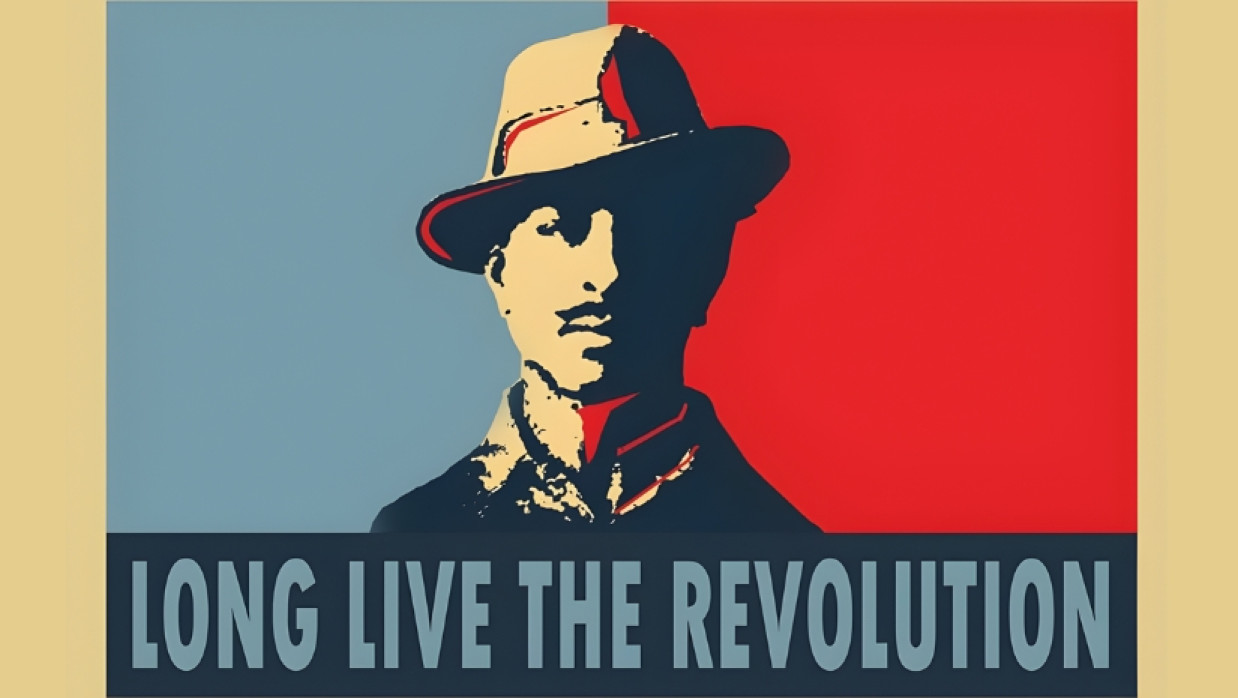
In recent past, words such as Azadi (freedom), Inquilab (revolution), Boyan (statement/declaration), Bandobasto (arrangement/settlement), Insaf (justice), Mazlum (oppressed), Zulm (oppression), and Faisala (decision) have flooded Bangladesh’s political speeches, television talk shows, social media posts, rallies, and everyday conversations. Some leaders and speakers emphasize these terms heavily in their addresses, while others argue they are being deliberately promoted over more commonly used Bangla equivalents.
The debate has reached such intensity that government ministers, senior political leaders, and major parties have begun publicly commenting on it. One minister remarked that these words “have no real connection with the Bangla language.” This has sparked broader questions: Are these terms distorting Bangla? Are they entirely new? Why are they gaining prominence now? And what exactly is driving the objections?
Linguists’ Perspective
Language experts maintain that none of these words represent a distortion of Bangla, nor do they pose any threat to the language itself. According to them, the current spotlight is almost entirely political rather than linguistic. These terms are rarely used in everyday speech, writing, or casual thought by most Bangladeshis. Their sudden visibility stems from deliberate usage in political rhetoric, not from any organic shift in the language.
Bangla has always been a mixed language, absorbing vocabulary from Sanskrit, Persian, Arabic, English, Portuguese, and others over centuries. Words like Awami, League, Communist, Union, Ittefaq, and Inquilab (ironically, the name of a major national newspaper) have long been fully integrated. The current wave is simply another chapter in that history.
Why These Words Gained Prominence After August 2024
Following the fall of Sheikh Hasina’s government in August 2024 during the July mass uprising, many leaders of the student-led movement and new political voices began repeatedly using these terms in speeches and social media. Inquilab in particular exploded in popularity, partly because of the emergence of the Inqilab Moncho platform. Its founder, Osman Hadi, was shot during election campaigning and later died from his injuries.
At the launch event of the National Citizens Party (NCP) in February 2025, almost every speaker ended their remarks with the slogan “Inquilab Zindabad”. The phrase, meaning “Long live the revolution,” is also commonly used by communist parties in India and elsewhere.
Noya Bandobasto (“new arrangement/settlement”) became a frequently repeated phrase among those who led or supported the anti-Hasina uprising, referring to the demand for a completely new political and administrative system.
Azadi is increasingly used instead of the more conventional Swadhinata (independence/freedom). Critics point out that everyday Bangladeshis are far more familiar with words like subichar (justice) instead of insaf, nipirak (oppressor) instead of zalim, nipirito (oppressed) instead of mazlum, and desh (country) instead of mulk.
Political Reactions
Power Minister and BNP Standing Committee member Iqbal Hasan Mahmud Tuku, speaking at a Martyrs’ Day event in Sirajganj, said: “If we are to truly embrace Bangla as our mother tongue, then slogans like Inquilab Zindabad, Inqilab Moncho, and Azadi cannot continue. These are the words of those who once tried to take away our mother tongue.”
Jamaat-e-Islami Ameer Shafiqur Rahman posted on his verified Facebook page on Sunday morning: “InshaAllah, tomorrow’s Bangladesh will be a Bangladesh of Insaf. Inquilab Zindabad.”
Former Information Adviser Mahfuz Alam posted a photo of himself in front of a banner reading “Azadi’r Cinema” and wrote: “Even during the fascist rule of the League, we organized film screenings named Azadi’r Cinema where anti-fascist student leaders and activists spoke. Language is not static. It is not confined to a closed room. Whenever a word makes it easy and natural to express political-cultural aspirations, it will prevail. Open the doors of language.”
NCP Chief Organizer Hasnat Abdullah posted a red banner with “Inquilab Zindabad” on Saturday evening.
What Linguists Say
Professor Tariq Manzoor of Dhaka University’s Bangla Department: “Words like Inquilab, Insaf, Azadi, Mazlum, Boyan, Bandobasto are not distortions, nor are they threats. If their usage becomes confined to specific political groups, that may not be healthy. Language and words should not create political or religious divisions.”
He adds that Bangla has always absorbed foreign vocabulary, and this is a natural process. The real future risk to Bangla lies in failing to make it more technology-friendly in the digital age, not in borrowing a few Arabic-Persian words.
Professor Aniruddha Kahali of Jahangirnagar University: “Language flows like a river. Like Bengali culture itself, Bangla has grown rich and distinctive by harmonizing words from many sources. Some may feel certain words are being used deliberately in the current context. Time will decide which ones survive and which fade. Language cannot be imposed or feared in this way. Bangla is tied to our existence.”
He concludes: “Words that keep the natural flow, dynamism, beauty, sweetness, and richness of the language will endure.”
 Follow The Daily Campus on Google News