NASA Releases Historic ‘Earthset’ Photo from Artemis II Crew
Published: 09 April 2026, 03:48 PM
(Updated: 09 April 2026, 05:05 PM)
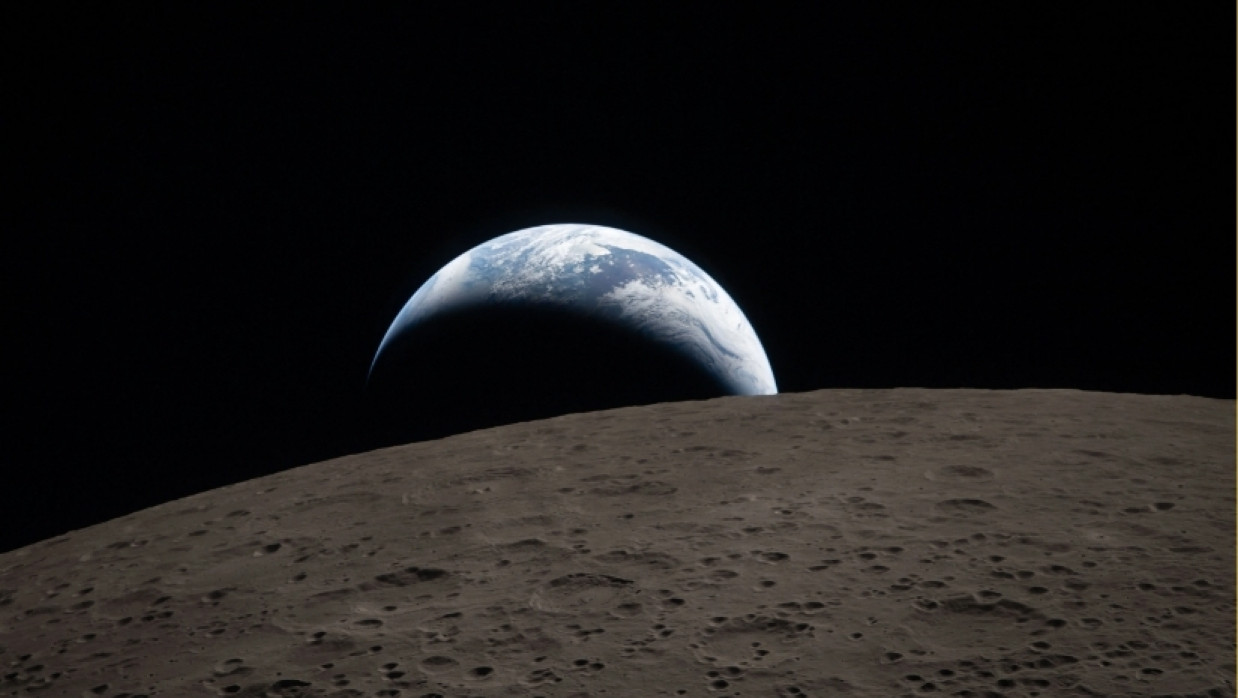
Earthset captured through the Orion spacecraft window on April 6, 2026, during the Artemis II crew's flyby of the Moon
Earthset captured through the Orion spacecraft window on April 6, 2026, during the Artemis II crew's flyby of the Moon © NASA

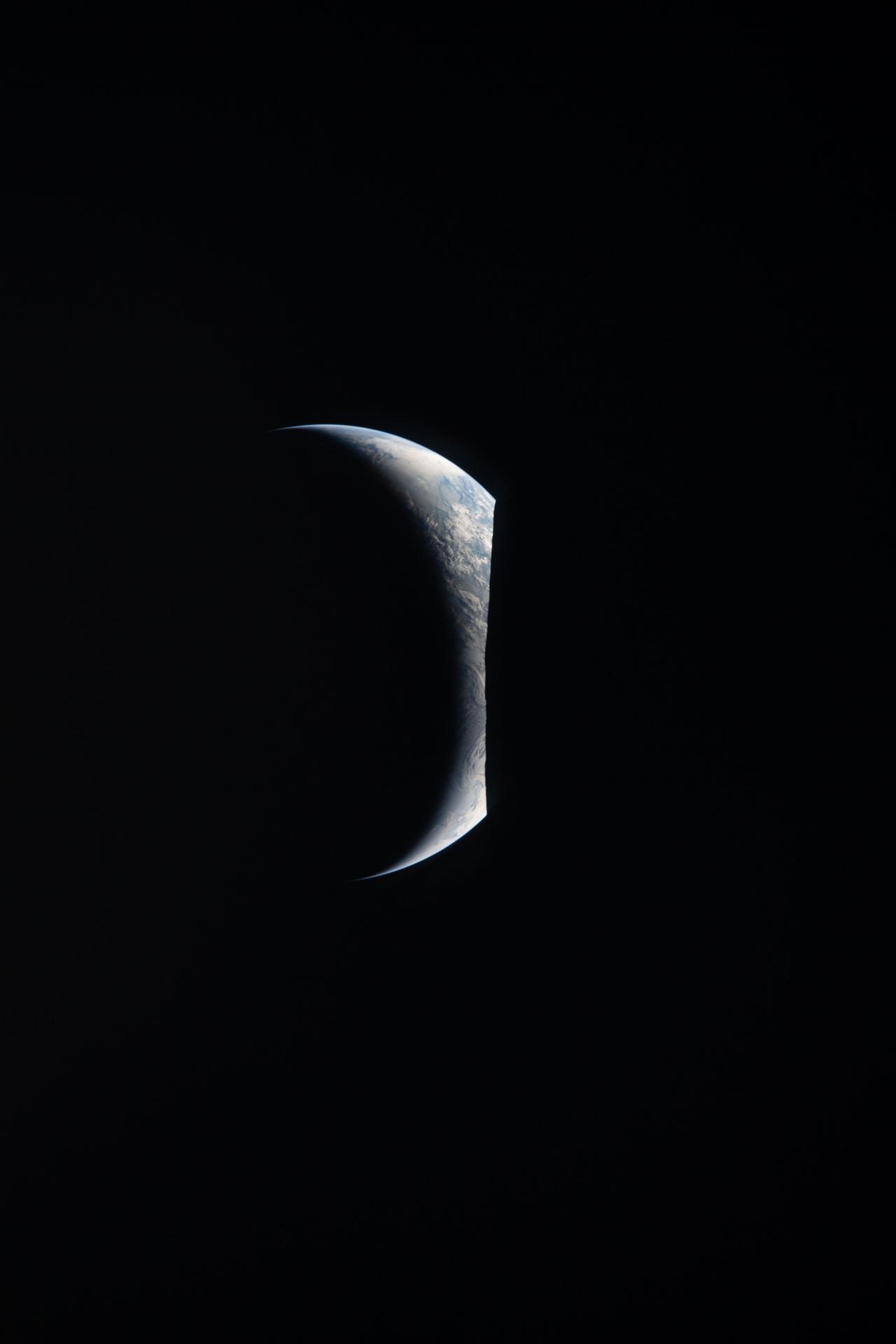
NASA has released a striking new photograph of “Earthset” — showing Earth slipping below the lunar horizon — taken by the Artemis II crew during their record-setting flyby of the Moon.

The image consciously echoes the legendary “Earthrise” photograph captured by Apollo 8 astronaut Bill Anders in December 1968 during the first human mission to orbit the Moon.
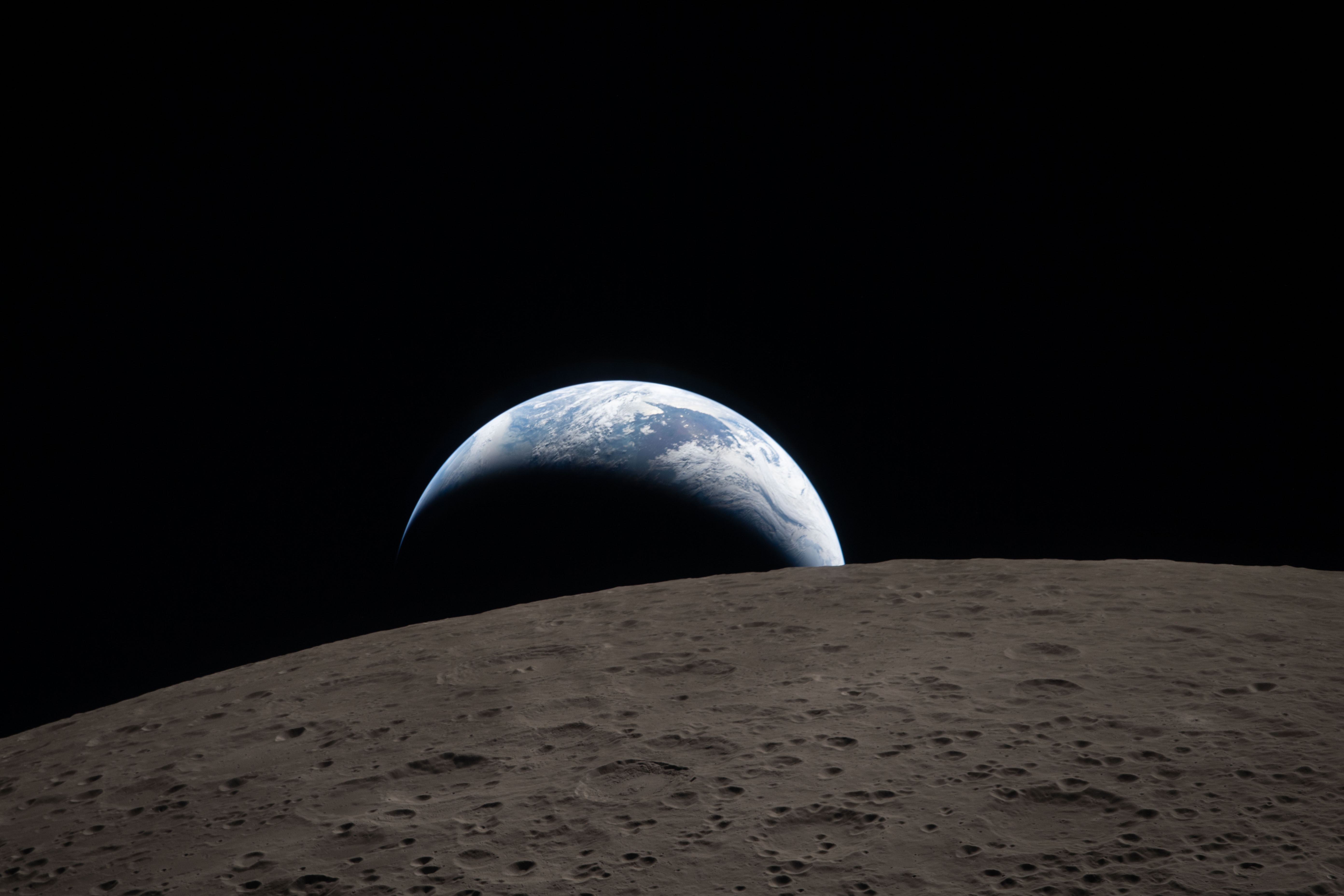
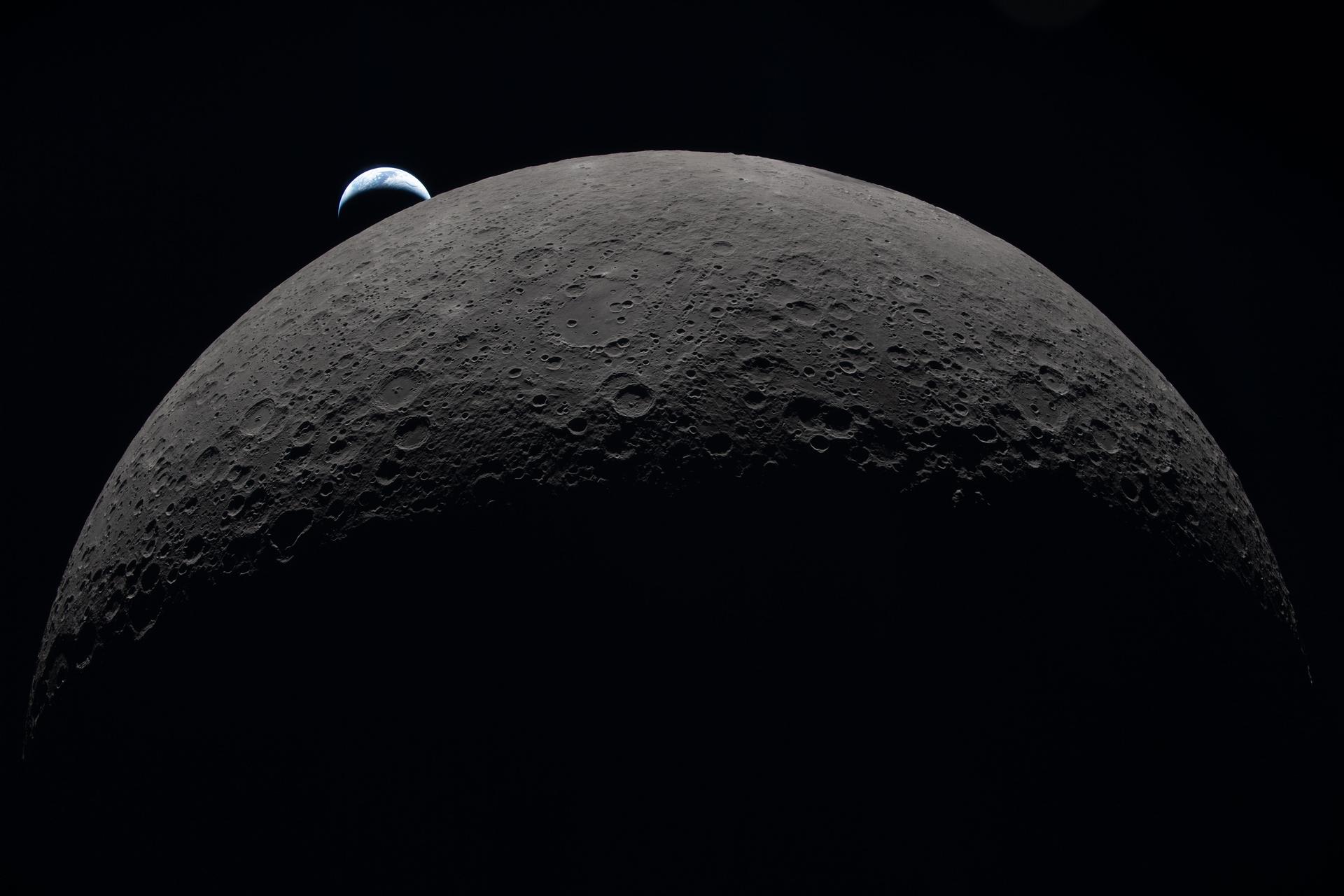
art002e009288 (April 6, 2026) – Earthset captured through the Orion spacecraft window at 6:41 p.m. EDT, April 6, 2026, during the Artemis II crew’s flyby of the Moon. A muted blue Earth with bright white clouds sets behind the cratered lunar surface. The dark portion of Earth is experiencing nighttime. On Earth’s day side, swirling clouds are visible over the Australia and Oceania region. In the foreground, Ohm crater has terraced edges and a flat floor interrupted by central peaks. Central peaks form in complex craters when the lunar surface, liquefied on impact, splashes upwards during the crater’s formation.
Earthset captured through the Orion spacecraft window

The White House also shared the photo on X, captioning it: “Humanity, from the other side. First photo from the far side of the Moon. Captured from Orion as Earth dips beyond the lunar horizon.”

The Artemis II crew — NASA astronauts Reid Wiseman, Christina Koch, Victor Glover, and Canadian astronaut Jeremy Hansen — captured the image from their Orion spacecraft while looping around the Moon. This mission is a key step toward a planned crewed lunar landing in 2028.

During their journey, the crew has also described the Moon’s craters in vivid detail and witnessed a solar eclipse, with the Moon passing in front of the Sun — a rare sight shared by NASA and the White House.

“Earthrise,” taken over 57 years ago, remains one of the most iconic images in history and was featured in Life magazine’s “100 Photographs That Changed the World.”
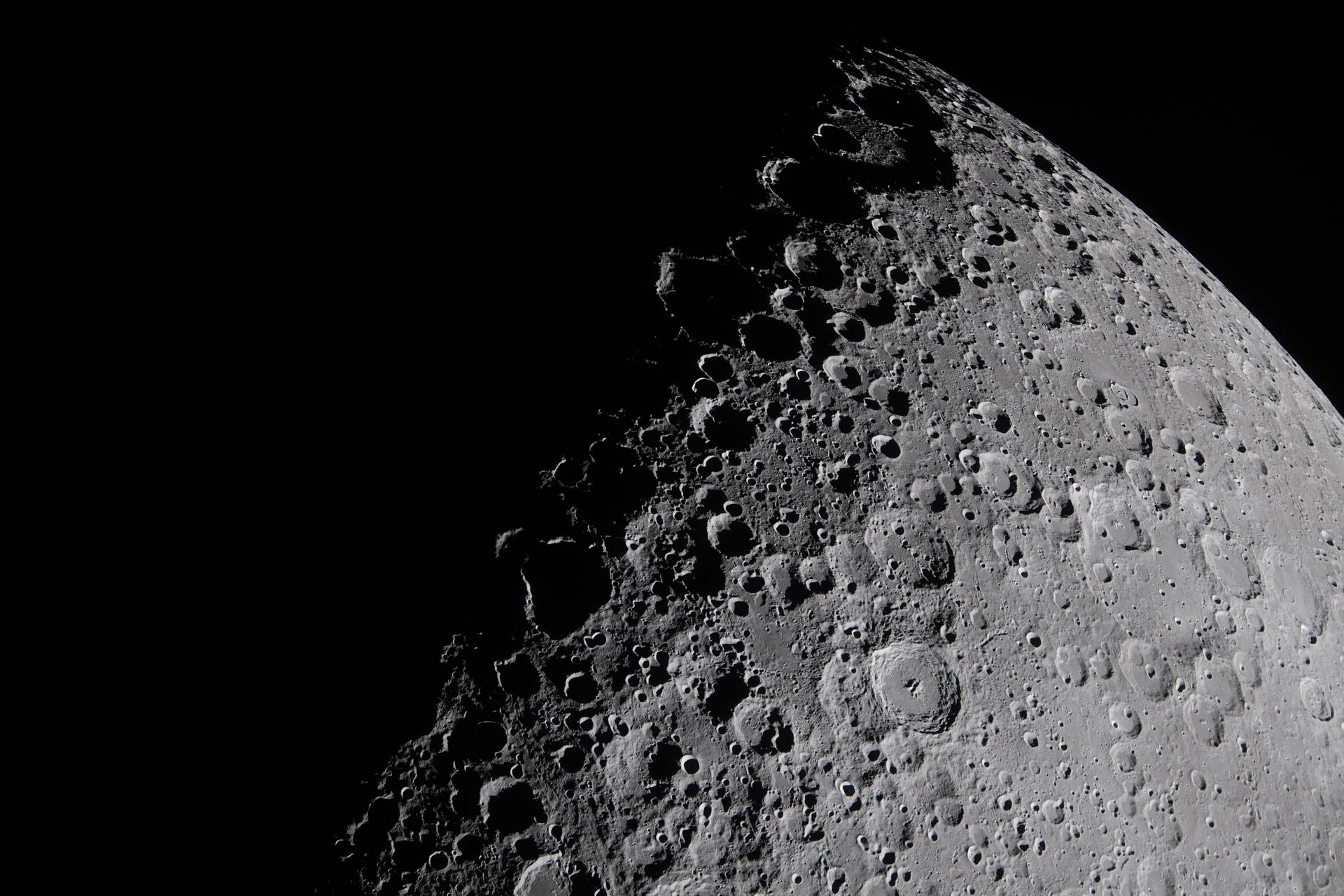
015A9798.NEF
The Artemis II crew captures a portion of the Moon coming into view along the terminator
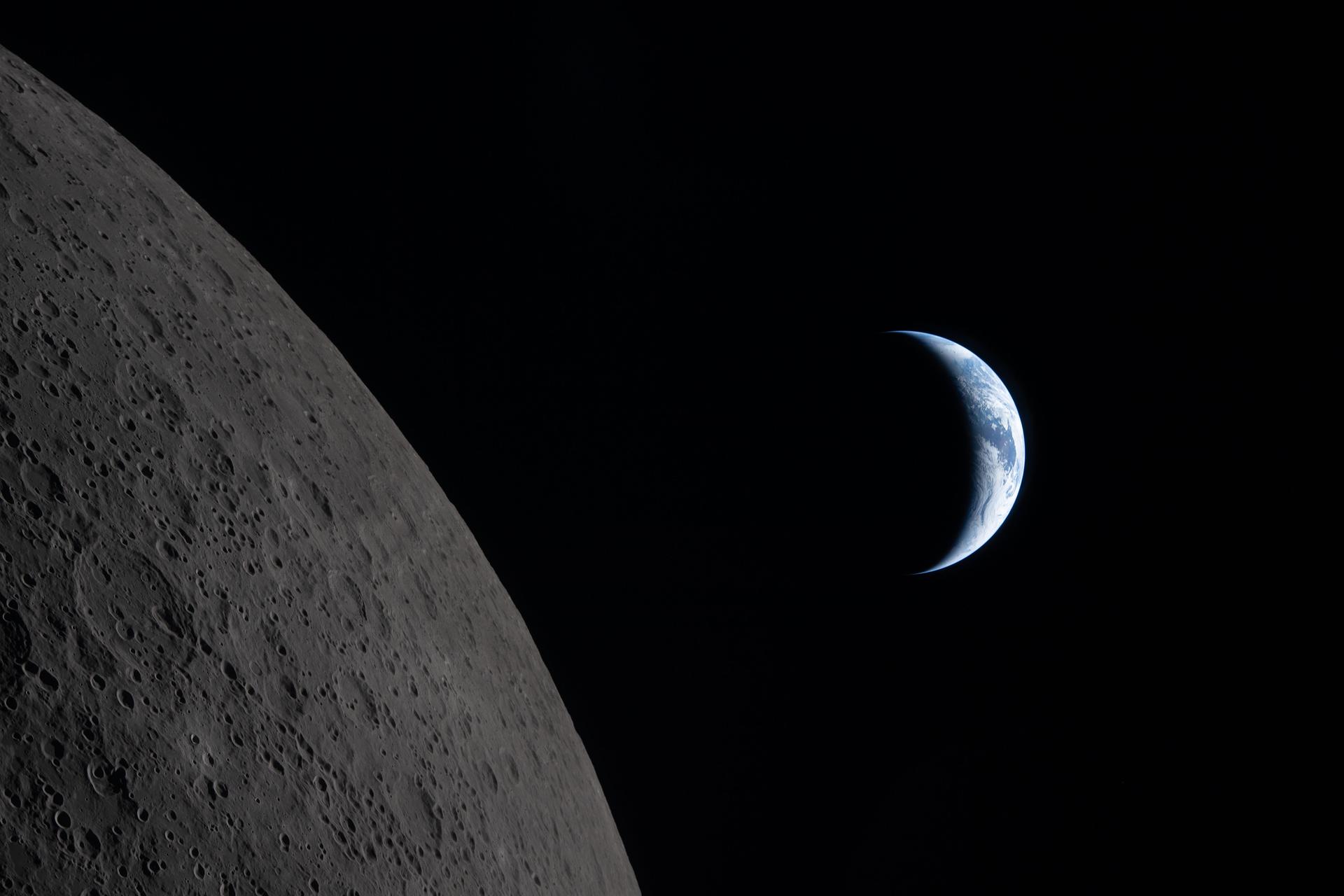
015B0281.NEF
Our planet draws closer to passing behind the Moon in this image captured by the Artemis II crew during their lunar flyby
cmasaw3_20260406223414_017.JPG
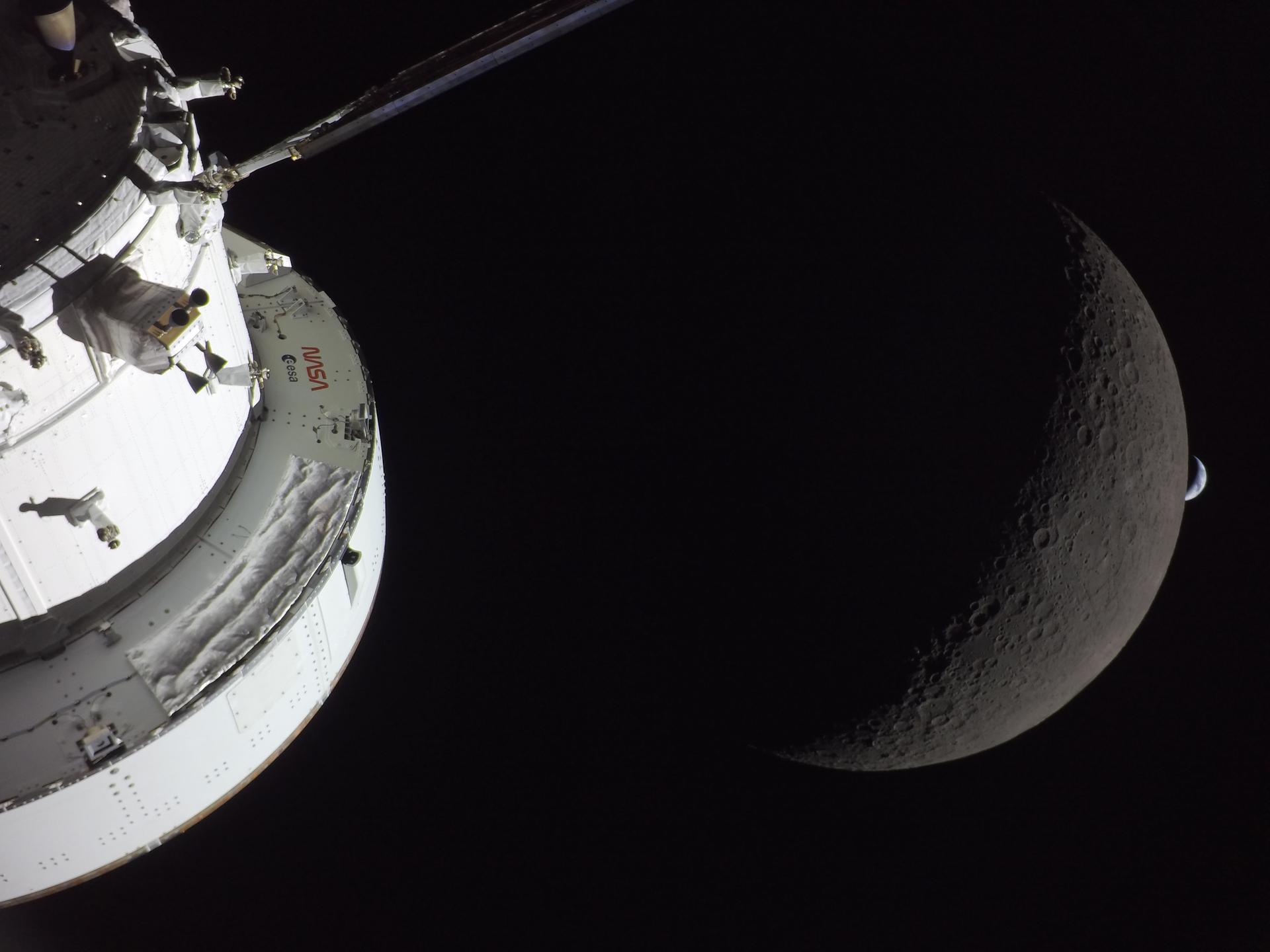
NASA’s Orion spacecraft captures the Moon and the Earth in one frame during the Artemis II crew’s deep space journey
015B0524.NEF
Earth sets at 6:41 p.m. EDT, April 6, 2026, over the Moon’s curved limb in this photo captured by the Artemis II crew during their journey around the far side of the Moon.
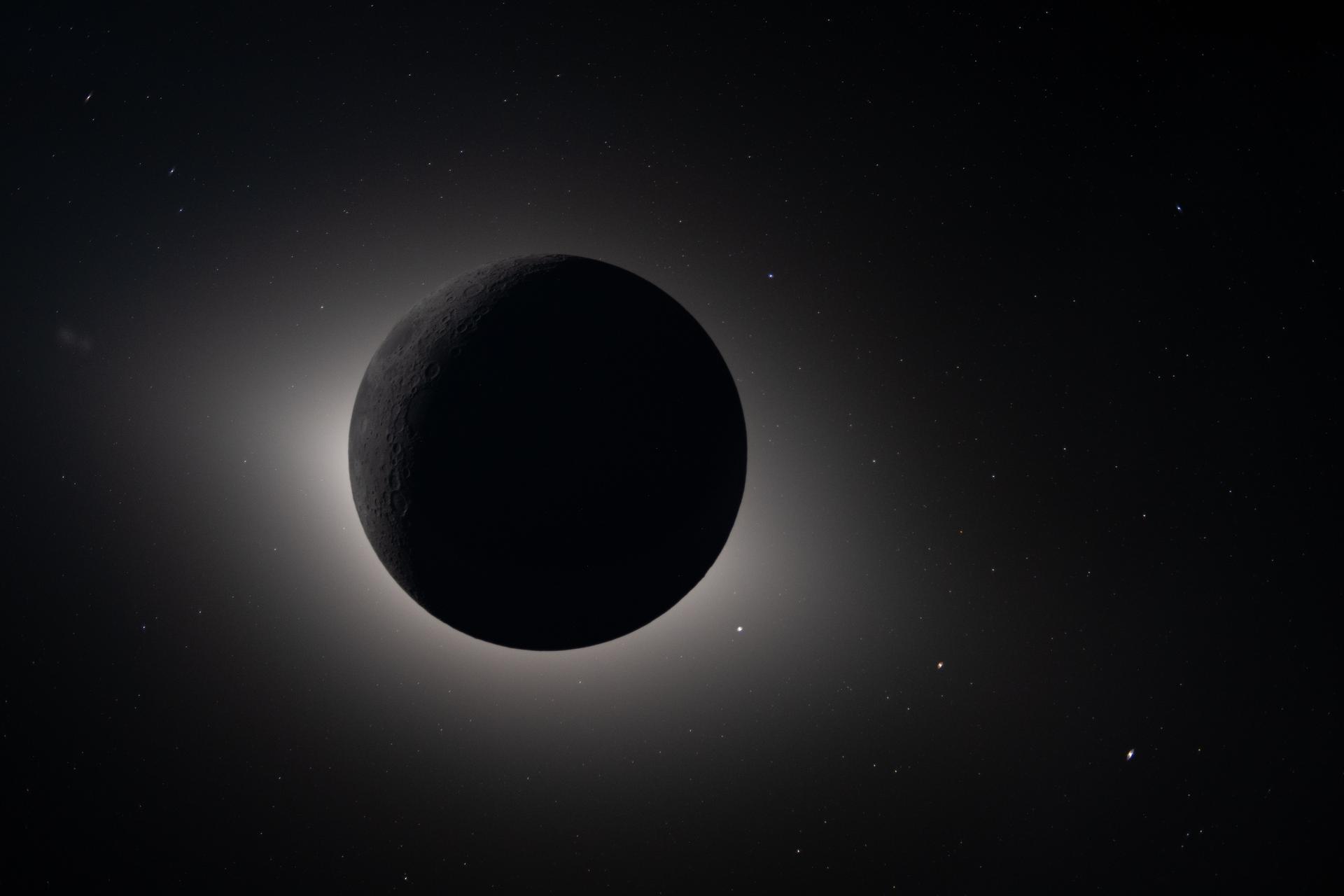
The Moon eclipsing the Sun, as seen from the Orion capsule. The dark gray sphere of the Moon is surrounded by a white glow, suspended in the blackness of space. The glow is diffuse, fading from a brighter white circle right around the Moon. Small dots of white light are scattered across the image.

Image shows the Moon fully eclipsing the Sun
015B1036.NEF
Earthrise captured through the Orion spacecraft window
015A7526.NEF
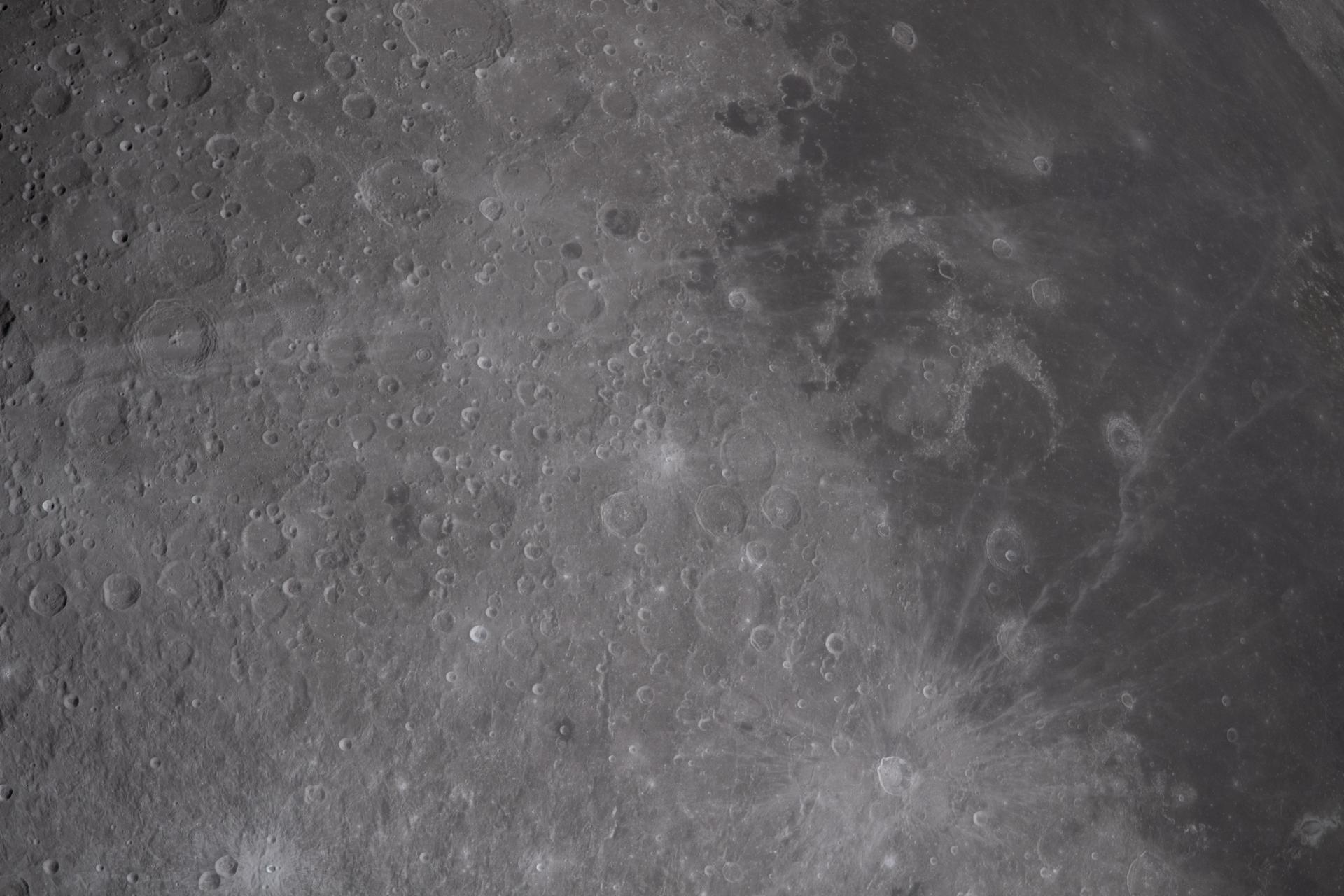
The small, bright spot in the center of the image is the crater that the Artemis II crew have proposed as Carroll