BNP Leader Rizvi Calls for HSC Exam Postponement
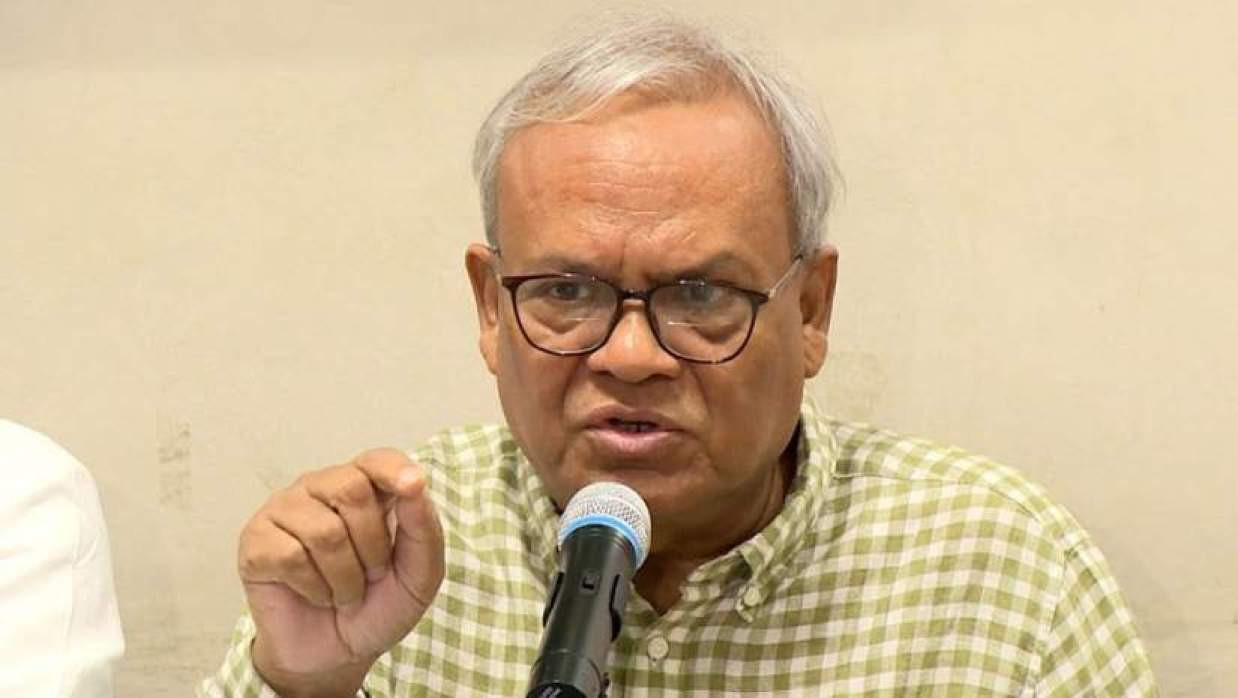
Bangladesh Nationalist Party (BNP) Senior Joint General Secretary Ruhul Kabir Rizvi has strongly urged the interim administration to postpone the ongoing Higher Secondary Certificate (HSC) and equivalent examinations for a few days to minimize the intense suffering caused by countrywide monsoon flooding and severe waterlogging.
Speaking to journalists on Tuesday (July 14), the senior BNP leader addressed Education and Primary & Mass Education Minister Dr. A N M Ehsanul Hoque Milon directly, questioning the rigidity of the current exam schedule.
"What harm would it do to postpone the examinations by just a few days? Students are literally wading through deep water to reach their colleges and sit for exams. This has caused an appalling level of public suffering," Rizvi stated.
Expressing deep concern for the safety of the young candidates, Rizvi highlighted the potential risks of forcing students into submerged areas:
"It would be incredibly tragic if a young student, unable to navigate the floodwaters while trying to attend an exam, drowns. Aligning with the expectations of the general public, I urge you to immediately defer the examinations for a few days. Let the water recede first, and then the exams can be resumed smoothly."
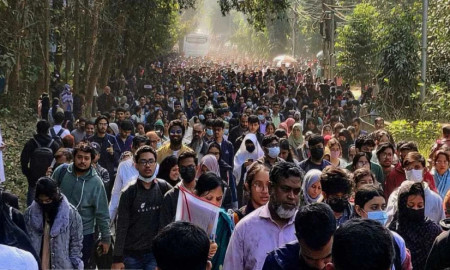
The politician's statement comes amidst escalating street protests across the capital and various district towns, where angry HSC candidates are demanding the immediate resignation of Education Minister Milon over the decision to conduct tests during extreme weather conditions.
The unrest ignited at around 11:30 AM today when hundreds of students blockaded the capital's busy Science Laboratory intersection. The movement rapidly gained momentum, spreading to major educational hubs in Chittagong, Bogura, Mymensingh, Barishal, Cox's Bazar, and Rajshahi. The demonstrating students have been chanting slogans demanding the minister's resignation alongside structural academic reforms.
The protesters have consistently alleged that due to relentless downpours and knee-deep waterlogging, a large number of candidates failed to reach their respective exam halls on time, while others were forced to write their scripts under severe physical and mental distress. They argued that the education ministry should have proactively reconsidered the ground situation instead of implementing a rigid directive.
 Follow The Daily Campus on Google News