Pakistan hands over JF-17 fighter jet simulator to Bangladesh
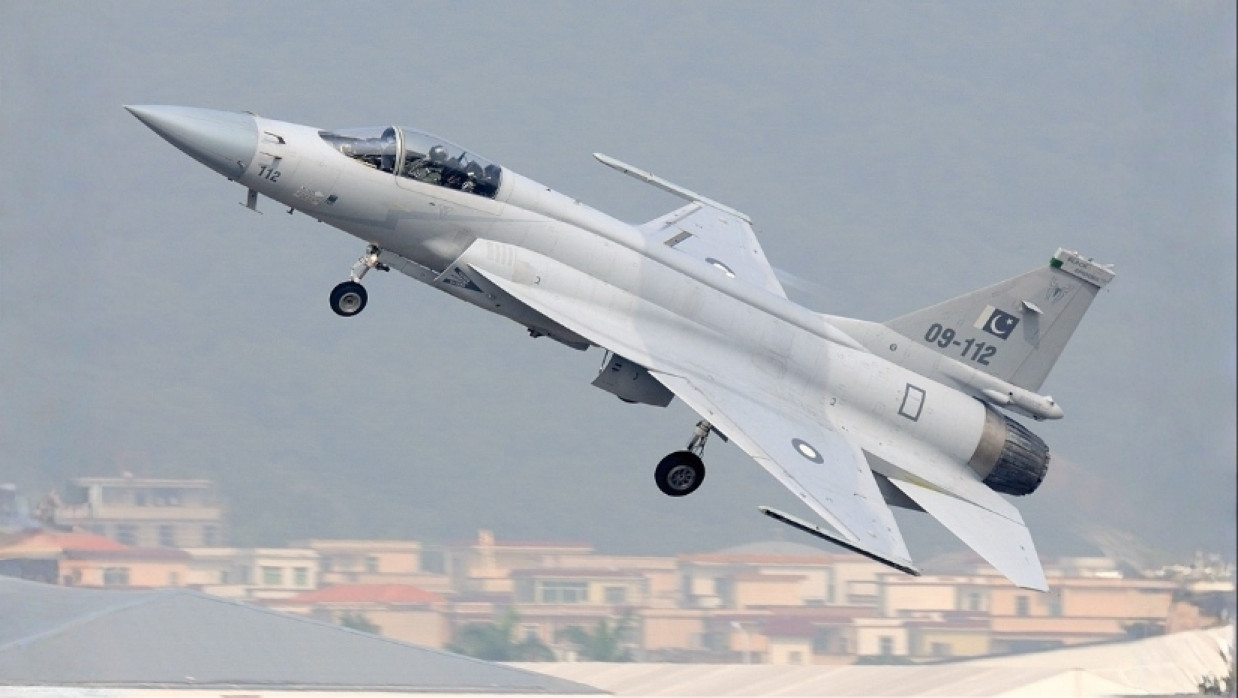
Pakistan has handed over a simulator for its flagship "JF-17 Thunder Block 3" fighter jet to Bangladesh, a move perceived by military analysts as a development that could significantly alter the military balance in South Asia.
According to a report by Defense Security Asia, this gesture is viewed not merely as a routine gift but as a major preparatory step preceding a potential fighter jet procurement agreement between the two nations. The transfer came to light following the first formal "Air Staff Talks" between the air forces of both countries held in Dhaka in May 2026, which saw participation from a high-level Pakistani delegation. This move aims to build pilot proficiency and institutional familiarity ahead of any potential aircraft acquisition, smoothing the path for a future contract.
The Pakistani delegation at the Dhaka bilateral talks was led by Air Vice Marshal Aurangzeb Ahmed, who currently serves as the Operational Deputy Chief of Air Staff, Commander of Strategic Command, and Director General of Public Relations. The high-profile delegation also included Air Commodore Shah Khalid, Air Commodore Abdul Ghafoor Bazdoor, Group Captain Mahmood Ali Khan, and Wing Commander Hassan Tariq Aziz.
Military experts note that the composition of this delegation indicates that the visit extended beyond routine diplomatic courtesy, carrying specific institutional, commercial, and strategic military objectives.
During the meetings, Pakistan Air Force officials highlighted the multi-role combat capabilities of the JF-17 Block 3. Sources indicate they presented a comparative performance analysis against the Rafale fighter jets, drawing from the operational friction between India and Pakistan in May 2025.
Such defense marketing holds substantial strategic and geopolitical weight, allowing Pakistan to pursue commercial export goals while sending a clear strategic signal to regional rivals and observers.
The hardware delivered to Bangladesh is a full-mission, combat-standard JF-17 Thunder Block 3 simulator rather than a basic training system. This platform allows pilots to conduct realistic mission rehearsals before logging actual flight hours.
The system is designed to familiarize pilots with modern fighter configurations, master complex tactics, and enhance overall institutional readiness. Typically, human resource conversion stands as the most time-consuming phase when introducing a new fighter platform, making the early transfer of a simulator highly significant.
By utilizing the simulator, pilots can familiarize themselves with the platform's avionics and control systems prior to physical induction. This advance preparation ensures that if the fighter jets are eventually added to the squadron, the operational transition period will be minimized.
Furthermore, the system will allow maintenance engineers and technicians to gain hands-on experience with the aircraft's internal systems, preventing logistical bottlenecks or institutional delays during future integration.
Modern air forces place immense emphasis on such simulation systems during procurement cycles, as successfully deploying advanced aircraft requires synchronized readiness among pilots, engineers, and ground support infrastructure. Acquiring a modern platform involves a massive logistical framework, including maintenance protocols and workforce training.
Viewed from this perspective, the delivery of the simulator represents a standard milestone in complex multi-role combat aircraft negotiations, serving as a functional precursor to a potential fighter jet purchase agreement between Bangladesh and Pakistan.
 Follow The Daily Campus on Google News