BNP sweeps back to power with two-thirds majority; Tarique Rahman PM elect?
The Bangladesh National Party (BNP) and its allies have captured at least 212 of 299 seats, according to domestic TV tallies, delivering a two‑thirds supermajority and ending the party’s 20‑year exile from power. Jamaat-e-Islami and its partners secured 70 seats, giving the opposition Islamist bloc a large foothold in the new Jatiya Sangsad. Manual counting of paper ballots will continue until at least noon Friday, but the scale of the BNP victory is already clear.
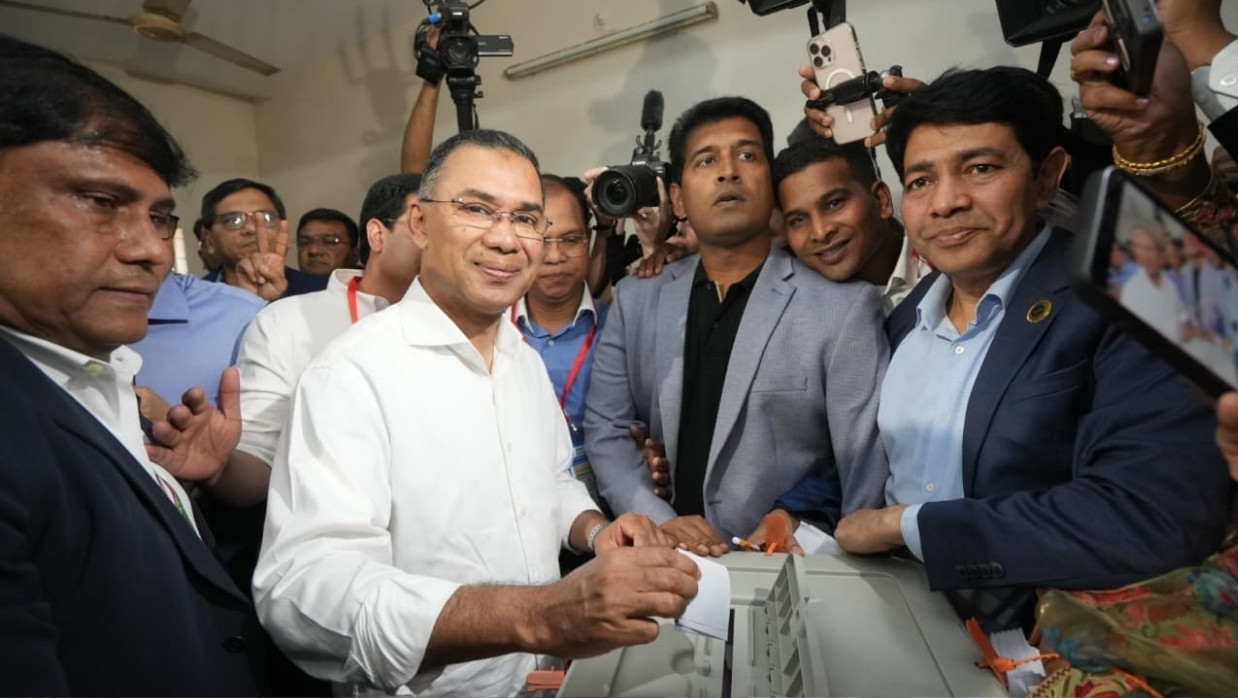
BNP chairman Tarique Rahman, who returned to Dhaka in December after 18 years abroad, is widely expected to be sworn in as prime minister. The party issued a statement urging supporters to avoid victory rallies and instead join special prayers on Friday for the nation and its people.
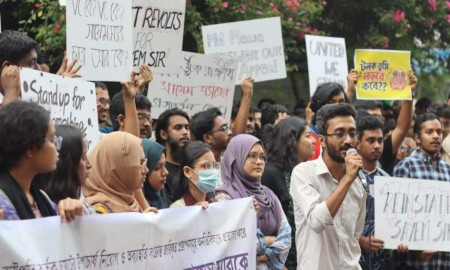
The result comes after a tumultuous 18 months that saw a Gen Z–led uprising topple Sheikh Hasina in August 2024. Nobel laureate Muhammad Yunus has served as interim head of government since then. Hasina, who dominated politics for 15 years, is now in exile in India. Her Awami League was barred from contesting this election.
Turnout is projected to exceed 60 percent, sharply higher than the 42 percent recorded in the 2024 vote. More than 2,000 candidates from a record 50-plus parties ran, including many independents. One constituency’s polling was postponed following a candidate’s death, leaving 299 seats in play.
Jamaat Ameer Shafiqur Rahman conceded and pledged “positive politics,” saying his party would avoid opposition for opposition’s sake. The youth-led National Citizen Party (NCP), which helped spearhead protests against Hasina and allied with Jamaat, won just 5 of the 30 seats it contested—far fewer than its activists had hoped.
The BNP’s haul surpasses its 193-seat win in 2001 and approaches the Awami League’s 230-seat landslide in 2008. Previous large victories for both major parties were often dismissed as one-sided or boycotted; this contest was the first widely viewed as genuinely competitive in years.
A constitutional referendum was held in parallel. Jamuna TV reported more than 2 million “Yes” ballots and about 850,000 “No,” with official results pending. Proposed amendments include two-term limits for prime ministers, stronger judicial independence and women’s representation, neutral interim governments during elections, and creation of a second chamber within the 300-seat parliament.
A clear mandate is expected to calm markets after months of unrest that hurt daily life and key sectors such as garments, where Bangladesh is the world’s No. 2 exporter. Investors will watch how the new government balances fiscal pressures with promises of stability and reform.
The Election Commission will finalize results after the ongoing count. The new parliament’s first task will be to appoint a prime minister and cabinet, and to decide whether to move quickly on the referendum’s constitutional package. For now, the BNP has asked its supporters to celebrate quietly and focus on prayer.
 Follow The Daily Campus on Google News