See Live: Symbolic Funeral in Najaf and Tehran Ceremony Planned for Late Supreme Leader Khamenei
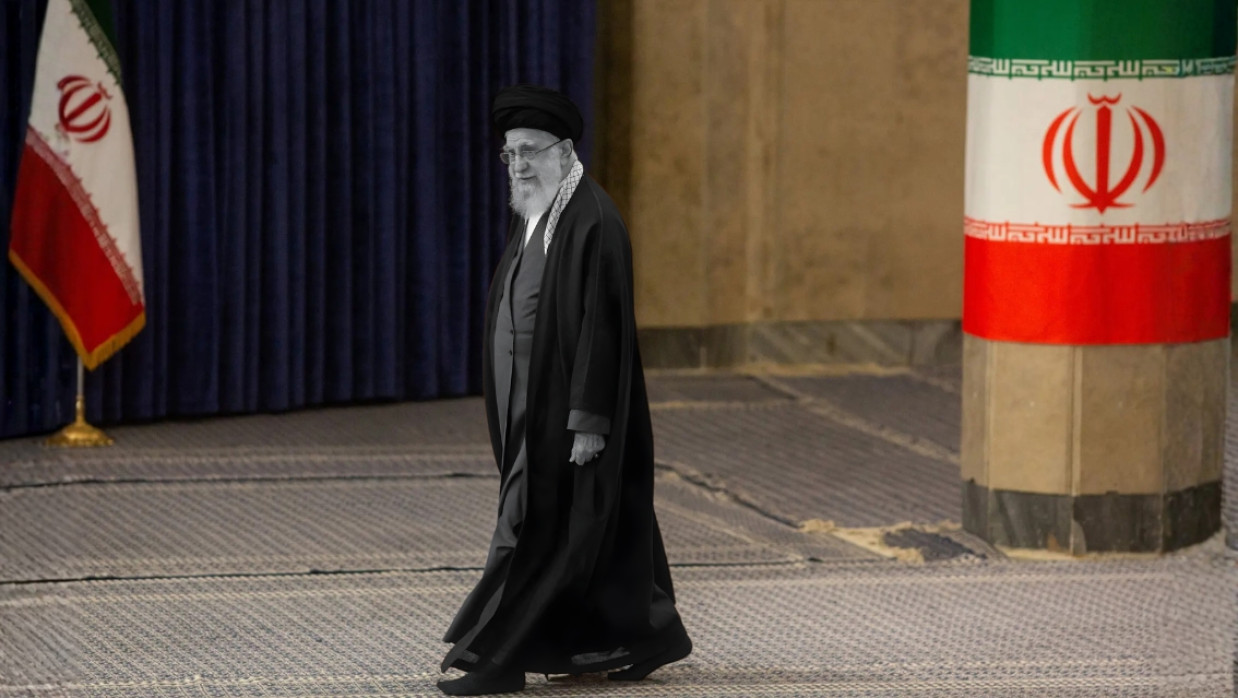
Iranians are gathering in huge numbers at Tehran’s Imam Khomeini Prayer Hall (Mosalla) late Wednesday to begin a three-day farewell ceremony for late Supreme Leader Ayatollah Ali Khamenei, who was killed at age 86 in joint US-Israeli airstrikes on Saturday.
Hojjatoleslam Mahmoudi, head of Iran’s Islamic Propagation Council, announced to state media that the public can pay respects starting at 10 p.m. local time (1830 GMT). The farewell will continue for three days, with the funeral procession details to be announced later.
“The Mosalla will be receiving visitors and the dear people can attend and take part in the farewell ceremony and mark a strong presence once again,” Mahmoudi said in comments broadcast by Iranian state media.
The ceremony is expected to draw massive crowds amid nationwide mourning. Khamenei, who led Iran for over three decades with a policy of firm hostility toward the United States and Israel, was killed in the airstrikes, according to Iranian state media.
Earlier, hundreds gathered in Najaf, Iraq—one of Shia Islam’s holiest cities—on March 3 for a powerful symbolic funeral procession. Participants carried symbolic coffins, waved Iranian and Shia religious flags, and chanted intense anti-US and anti-Israel slogans, condemning the attacks as aggression against the Islamic Republic and the wider Shia community. Many held posters of Khamenei and banners declaring “Death to America” and “Death to Israel,” reflecting deep anger across Iraq, Lebanon, and other Shia-majority regions. Religious scholars and local leaders led prayers and speeches, calling for unity against “Zionist-American aggression” and pledging continued resistance.
The events in Najaf and Tehran highlight the reverence Khamenei commanded among segments of the Shia faithful amid sharply escalating regional tensions following the strikes, which also caused significant casualties and damage to Iranian military infrastructure. Iran has vowed severe retaliation, with global attention now focused on the growing risk of wider conflict.
 Follow The Daily Campus on Google News