Who Is Ayatollah Alireza Arafi, Iran’s New Interim Supreme Leader
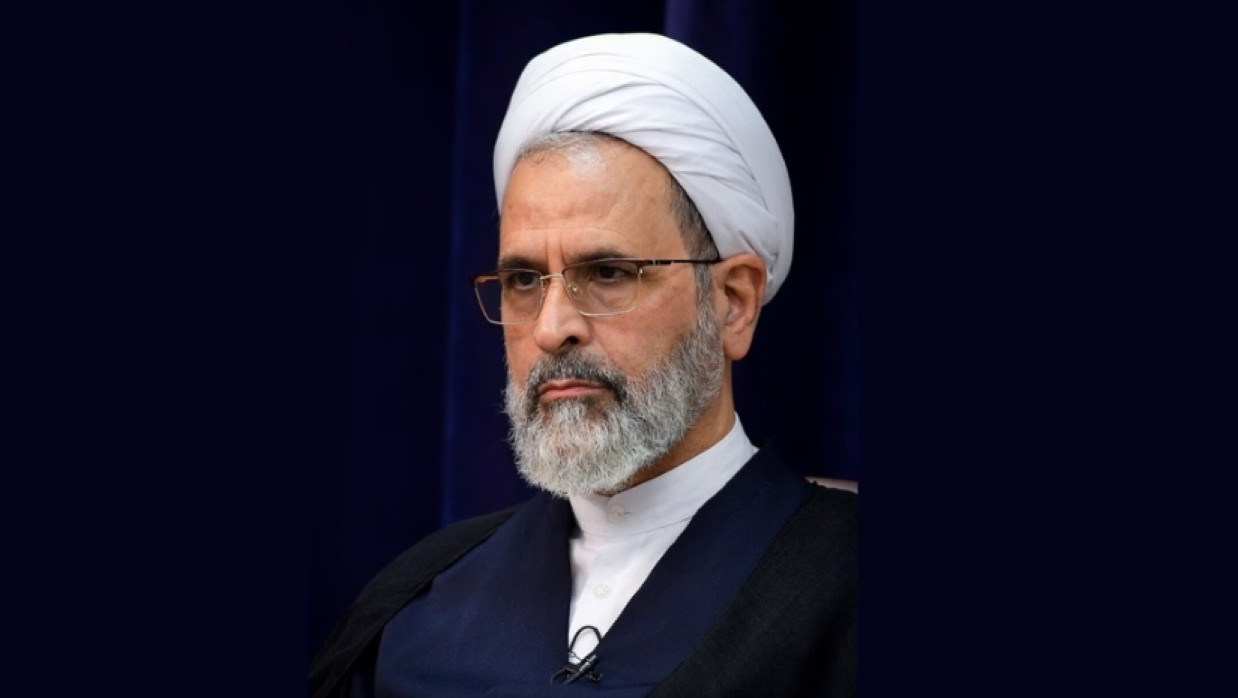
Iran has moved swiftly to stabilize its leadership following the death of longtime Supreme Leader Ayatollah Ali Khamenei in joint US-Israeli airstrikes on Tehran early Saturday. Ayatollah Alireza Arafi, 67, has been appointed as interim Supreme Leader during this critical transition period.
Under Iran's constitution, selecting a new Supreme Leader is the responsibility of the Assembly of Experts, a body of around 90 senior clerics elected every eight years. An interim arrangement takes effect until a permanent successor is chosen. Ayatollah Arafi has been named as the jurist member of a temporary Leadership Council alongside President Masoud Pezeshkian and Chief Justice Gholamhossein Mohseni Ejei. The council is tasked with carrying out the Supreme Leader's duties during the transition.
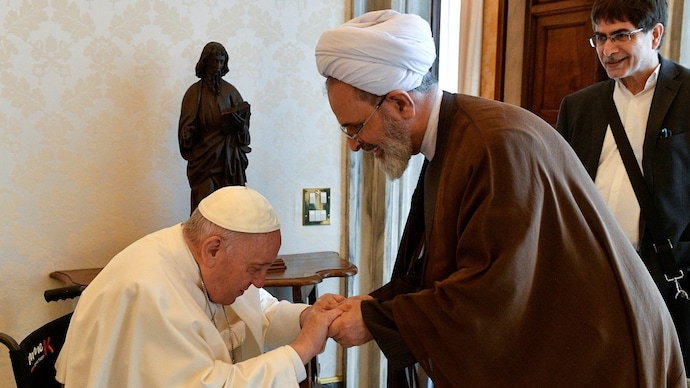
Who is Ayatollah Alireza Arafi?
Born in 1959 in Meybod, Yazd province, Ayatollah Arafi comes from a clerical family and received his education in Qom, Iran's primary seminary city. He achieved the rank of Mujtahid, qualifying him to issue independent Islamic legal rulings. His rise has come through institutional appointments rather than popular politics.
From 2009 to 2018, he served as head of Al-Mustafa International University in Qom, which trains clerics from Iran and abroad. During his tenure, he claimed the seminary network had converted 50 million people worldwide to Shi'ite Islam over eight years—a figure widely regarded as exaggerated but indicative of his ambition to expand Iran's religious influence globally.
Ayatollah Khamenei steadily promoted him to sensitive positions. Arafi served as Friday prayer leader in Meybod and later in Qom. In 2019, he was appointed to the Guardian Council, the powerful body that vets legislation and election candidates. Analysts view these appointments as reflecting Khamenei's confidence in Arafi's ideological reliability and administrative competence.
His electoral record has been mixed. He failed to win a seat in the 2016 Assembly of Experts election in Tehran but entered the body through a 2021 midterm by-election. In the March 2024 vote, he emerged as the top vote-getter in Tehran and later became the Assembly’s second deputy chairman, positioning him close to the centre of the succession process.
Arafi's rhetoric has often been uncompromising. Last year he stated: "America will take its wish for Iran to abandon production of military hardware to the grave." In another speech, he described the United States as an "epicentre of the violation against human rights."
As Iran observes a 40-day mourning period, attention now turns to how quickly the Assembly of Experts will name a permanent Supreme Leader. For now, Ayatollah Arafi stands at the centre of a historic and delicate transition.
 Follow The Daily Campus on Google News