Govt Seeks WHO Support to Investigate Child Deaths from Measles
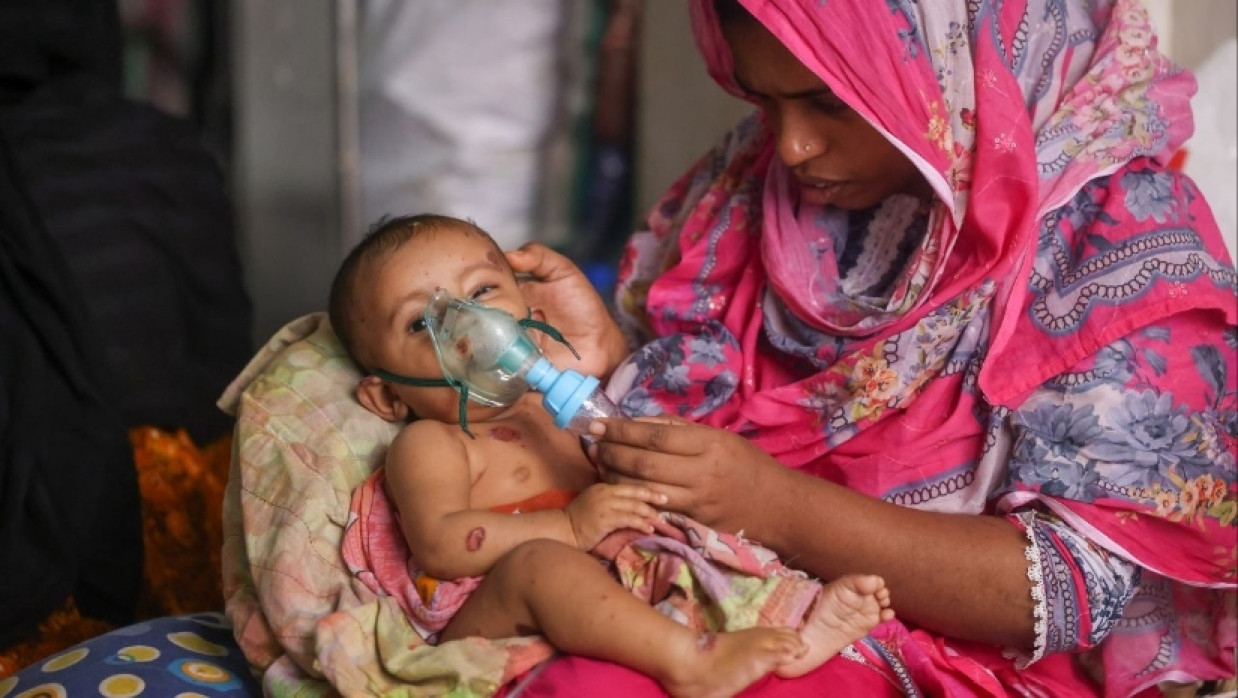
The government has informally requested the World Health Organization (WHO) to conduct an independent investigation into the catastrophic measles outbreak in Bangladesh, which has claimed over 500 young lives. The international health agency has reportedly responded positively to the state's request to identify the precise structural vulnerabilities that caused the disease matrix to reach such an alarming magnitude.
Dr. S.M. Ziauddin Haidar, Special Assistant to the Prime Minister on Health Affairs, confirmed the development. He emphasized that the state does not wish to engage in sweeping blame games or assign isolated accountability, but requires an objective evaluation to permanently prevent a recurrence of this operational failure.
Political friction and legal mandates over vaccine procurement delays
The escalating health crisis has triggered an intense war of words between the current administration, international bodies, and officials of the former interim government. Prior to the government's probe request, UNICEF held a press conference in Dhaka, revealing that it had issued at least five formal warning letters and sounded alarms during ten separate high-level meetings with the previous interim government under Professor Muhammad Yunus regarding an impending vaccine crisis.
While the former Special Assistant on Health to the Chief Adviser, Professor Dr. Sayedur Rahman, fiercely rejected UNICEF's assertions, the public backlash has already escalated into judicial intervention. Following a writ petition moved by a Supreme Court lawyer, the High Court issued a rule demanding to know why a judicial commission should not be established to investigate administrative negligence surrounding the infant deaths.
In response, the Health Secretary recently announced that the executive branch has launched its own parallel investigation to scan for institutional negligence. Public health specialists have severely criticized the state’s sluggishness, with Dr. Benazir Ahmad, former Director of the Health Department, stating that the previous government’s indecisiveness initially caused the vacuum, but the current administration’s casual treatment of the initial outbreak ultimately triggered the high mortality rate.
Statistical footprint of the outbreak
Official data released by the health authorities today showcases the severe epidemiological burden hitting the country:
-
Confirmed Measles Deaths: 86 fatalities documented systematically since March 15.
-
Symptomatic Measles Deaths: 426 infant fatalities strongly suspected to have been driven by the virus.
-
Total Mortalities: 512 children lost to the epidemic within a two-month window.
-
Hospitalizations: More than 62,000 children admitted with active symptoms nationwide.
To contain further transmission, the Ministry of Health has launched an emergency procurement drive to execute an aggressive, widespread immunization sweep targeting infants aged six months to five years.
The procurement bottleneck: UNICEF vs Open Tenders
The ongoing dispute heavily centers around a radical policy shift in how life-saving vaccines are purchased. Critics and legal petitions filed in the High Court allege that the previous interim government abruptly canceled Bangladesh’s traditional, seamless vaccine procurement pipeline managed directly through UNICEF, replacing it with an open competitive tendering system. This policy transition is believed to have severely broken the supply chain, culminating in a national vaccine stockout.
Health Minister Sarder Sakhawat Hossain Bokul pinned the blame entirely on the preceding administration’s infrastructural failure during a Secretariat address today. He noted that the routine four-year nationwide catch-up immunization campaign was completely bypassed under the interim regime, creating an immense immunity gap.
Conversely, defenders of the previous administration claim that all vaccines were procured via UNICEF in September 2025, and that open tendering guidelines were only introduced after the Planning Commission legally mandated competitive bidding. However, ministry insiders revealed that while funds were eventually released, bureaucratic delays within the Cabinet Committee on Government Purchase jammed the logistical arrival of the vaccine batches.
A convergence of global and local vulnerabilities
As the state awaits the formal deployment of the WHO independent investigation team, medical experts point out that the current crisis is a multi-layered disaster. Dr. Ziauddin Haidar observed that the affected children are predominantly under the age of five, an age bracket whose early routine immunization schedules were completely fractured by the global COVID-19 pandemic disruptions of past years.
Furthermore, global data from The Lancet indicates that the years 2024 and 2025 recorded the highest global resurgence of measles in two decades due to falling vaccination rates and anti-vaccine propaganda. In late April, the WHO officially designated Bangladesh’s ongoing measles outbreak as a "high-risk" emergency at the national level.
Public health specialists argue that had the state declared a national emergency at the inception of the outbreak and initiated aggressive localized clinical audits for every individual infant death, hundreds of lives could have been saved. The upcoming WHO-led probe is expected to untangle whether bureaucratic policy shifts or systemic administrative paralysis left millions of Bangladeshi children unprotected against a entirely preventable disease.
 Follow The Daily Campus on Google News