
Keir Starmer Resigns as British Prime Minister
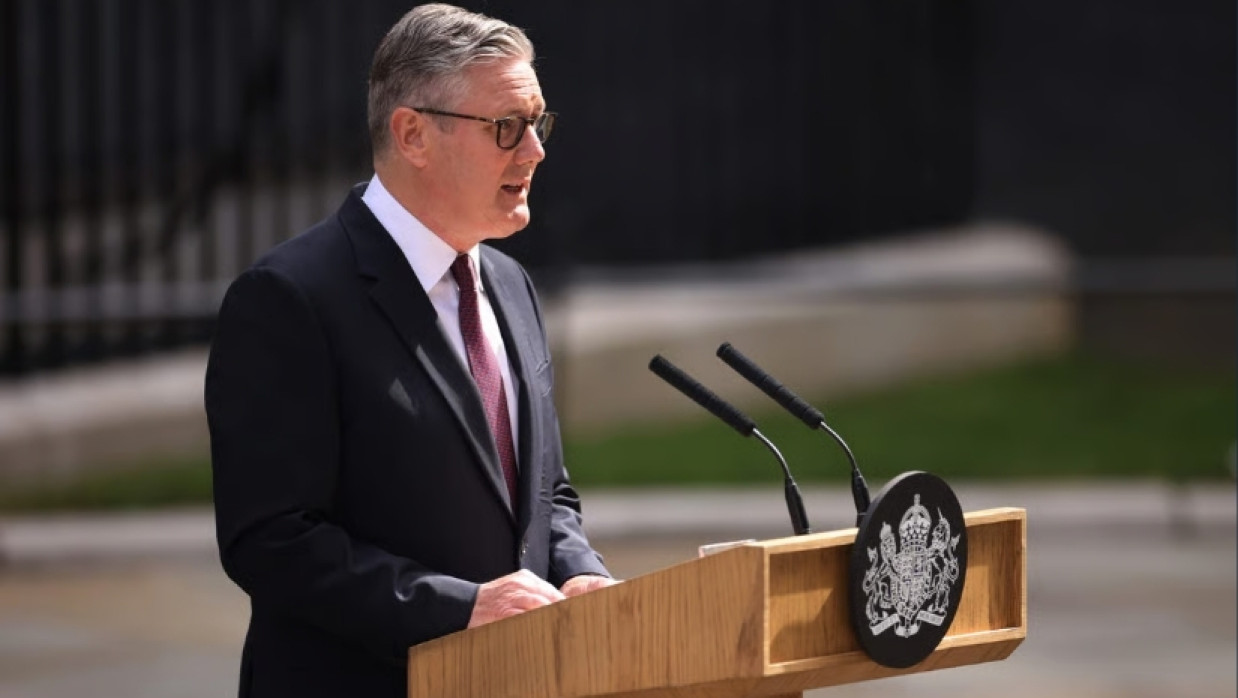
British Prime Minister Keir Starmer has officially announced his resignation outside 10 Downing Street, cutting short his tenure less than two years after leading the Labour Party to a landslide election victory in 2024. The sudden exit plunges Westminster into fresh political volatility, paving the way for the United Kingdom to appoint its seventh prime minister in just ten years.
The Prime Minister’s authority completely collapsed following days of intense pressure from senior backbenchers and over half a dozen cabinet ministers. The internal rebellion escalated sharply after his intraparty rival, Andy Burnham—the former Mayor of Greater Manchester—won a pivotal special by-election in Makerfield last week, positioning himself to mount an immediate constitutional challenge.
Addressing the nation on Monday (June 22), Starmer conceded that he no longer commanded the confidence of the Parliamentary Labour Party (PLP) required to lead the government into the next general election cycles.
"The question my party is asking now is whether I am best placed to lead us into the next general election. I have heard the answer of my parliamentary party to that question, and I accept that answer with good g
race. Every decision I've taken has been about putting the country I love fi rst." — Keir Starmer, Outgoing UK Prime Minister
Starmer clarified that he has formally briefed His Majesty King Charles III on his decision. He will continue to serve as caretaker prime minister to oversee an orderly administrative transition until a final successor is confirmed.
According to the official transition timeline, nominations for the Labour Party leadership will formally open on July 9. The National Executive Committee (NEC) aims to finalize the selection process before Parliament breaks for its summer recess on July 16, ensuring a new leader is installed before the House of Commons returns on September 1.
Political analysts indicate that Andy Burnham remains the absolute frontrunner to assume office. If Burnham is unopposed by potential frontbench challengers, such as Health Secretary Wes Streeting, he could enter Downing Street as early as mid-July.
Starmer’s exit concludes a turbulent administration marred by rapid local election defeats, deep public unpopularity, and multiple high-profile policy reversals that ultimately alienated his core parliamentary base.
 Follow The Daily Campus on Google News