Diesel Crisis Disrupts Irrigation in Northern Bangladesh
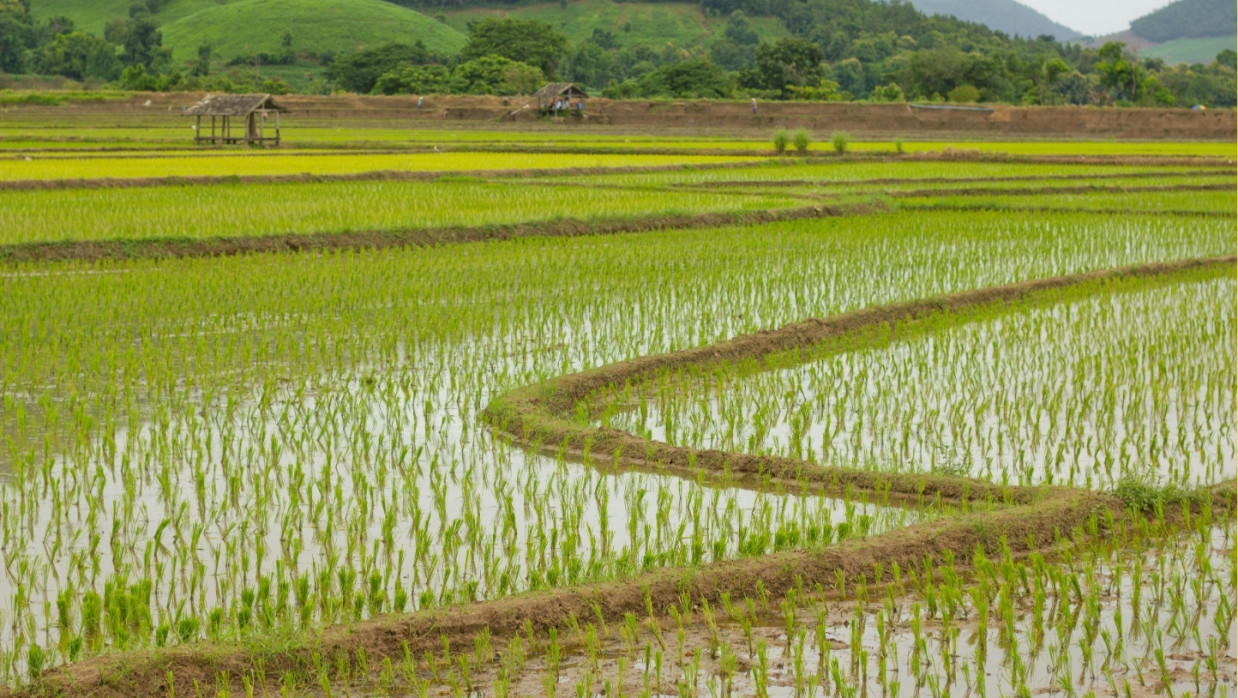
A severe diesel shortage across Bangladesh’s northern districts is disrupting irrigation at a critical stage of the Boro season, raising fears of a significant drop in rice production. Growers in 16 districts, including Rangpur, Rajshahi, and Chapainawabganj, report being unable to irrigate drying fields due to a lack of fuel for pumps and machinery.
The ongoing crunch has left thousands of diesel-run irrigation pumps and tube wells idle during the peak cultivation period. Farmers allege that most filling stations are out of stock, forcing them to buy from the open market at prices Tk 50–80 above the government-set rate, with some reporting costs as high as Tk 220 per litre.
Roughly 21 percent of irrigated land in these regions relies on diesel-powered pumps, including nearly 100,000 shallow tube wells and over 11,000 low-lift pumps. While the Department of Agricultural Extension (DAE) claims irrigation remains normal, agricultural economists warn that Boro yields could drop by half if the supply is not prioritized immediately.
The crisis stems from global fuel market pressure caused by ongoing Middle East tensions, which has prompted the government to introduce rationing measures. In response to the urgency, the Cabinet Committee on Economic Affairs on Thursday approved emergency diesel import proposals to ensure an uninterrupted supply amidst the geopolitical instability.
Finance and Planning Minister Amir Khosru Mahmud Chowdhury chaired the virtual meeting where two proposals from the Energy and Mineral Resources Division were approved in principle. Regional authorities, including the Rangpur Divisional Commissioner, stated that efforts are underway to ensure farmers can access diesel more easily to avert a potential food security crisis.
 Follow The Daily Campus on Google News