Why Do Leading Islamic Scholars Stay Silent on Sexual Abuse Within Their Own Community, Asks Asif Nazrul
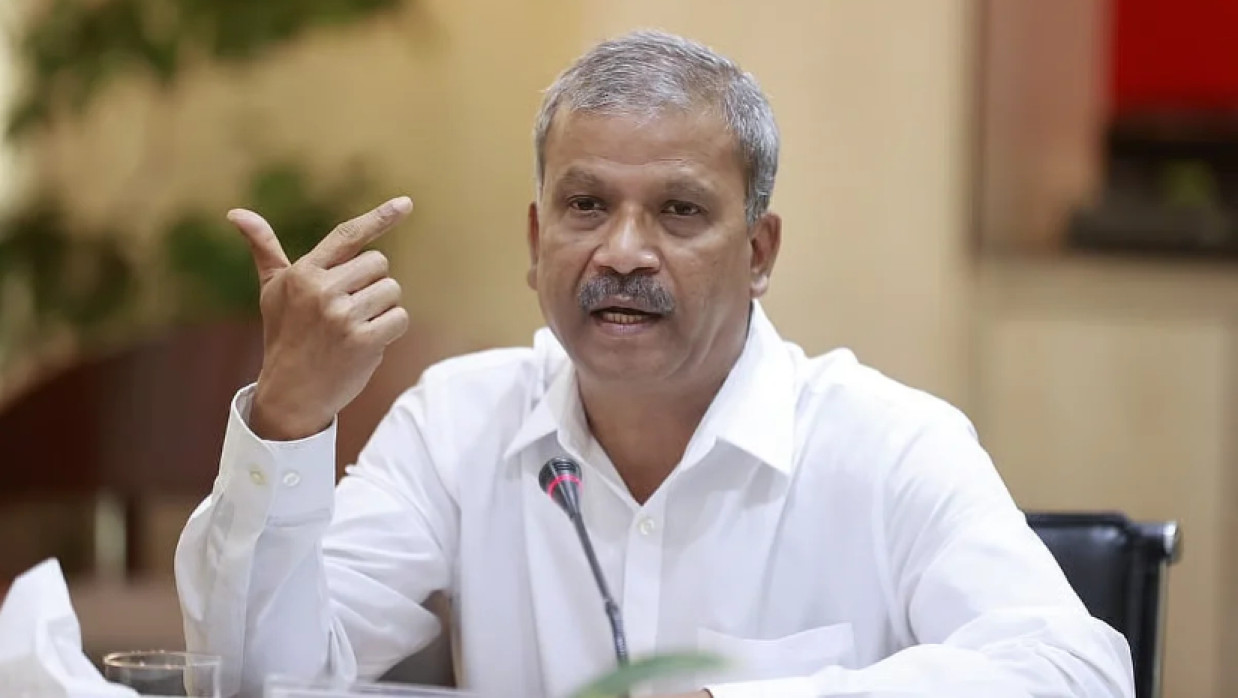
Former interim government law adviser Professor Asif Nazrul has questioned why leading Islamic scholars and popular religious speakers fail to speak out against serious crimes, including sexual abuse and rape, committed within their own community.
He warned that the silence of a significant section of the Islamic scholarly community on such crimes could diminish public love and respect for them as a whole. He made the remarks in a Facebook post on Friday night, October 23.
Nazrul said there were many respected figures among Bangladesh's Islamic scholars. He recalled meeting some of them during Hajj, at prayers and while listening to Islamic sermons. He also said he had been impressed by the humanitarian activities of some scholars, including Maulana Ahmadullah.
However, he said, the broader scholarly community also included many others, such as madrasa teachers, some of whom were involved in grave sins, including the sexual abuse and rape of children.
Nazrul said the number of people involved in such crimes might be small, but it was not negligible. He added that they continued to commit these acts, which he described as grave sins for which, according to Islamic teachings, Allah punished the people of Prophet Lut (AS) severely.
“I am very surprised that I never see a large section of the Islamic scholarly community speaking out against these offenders,” Nazrul said.
He noted that religious scholars issued fatwas on various issues, including food, clothing, entertainment and freedom of expression. In some cases, he said, mobs had been mobilised, leading even to killings.
“Yet why can’t leading Islamic scholars, popular religious speakers or hujurs speak out against heinous crimes such as sexual abuse and rape committed within their own community?” he asked.
In his post, Nazrul said there were various alleged conspiracies against Islam in Bangladesh. He argued that Islamic scholars needed to recognise that public love and respect had helped them maintain their standing despite such challenges.
However, he said some scholars were not speaking out against sexual abuse and rape and were instead showing sympathy towards those accused of committing such crimes. If they continued to do so, he warned, they could bear some responsibility for these offences.
He added that many scholars could be misunderstood as a result, reducing public love and respect for the scholarly community as a whole. He warned that this could also harm Qawmi madrasas in various ways.
Nazrul concluded by expressing hope that the leadership of the Islamic scholarly community would soon take action. He said he hoped to hear strong statements from religious leaders, grounded in Islamic teachings, against sexual abuse and rape in madrasas. He also urged scholars to speak out against offenders themselves and demand exemplary action against them.
 Follow The Daily Campus on Google News