Hasina Applies for New Passport, NID at Bangladesh High Commission in Delhi
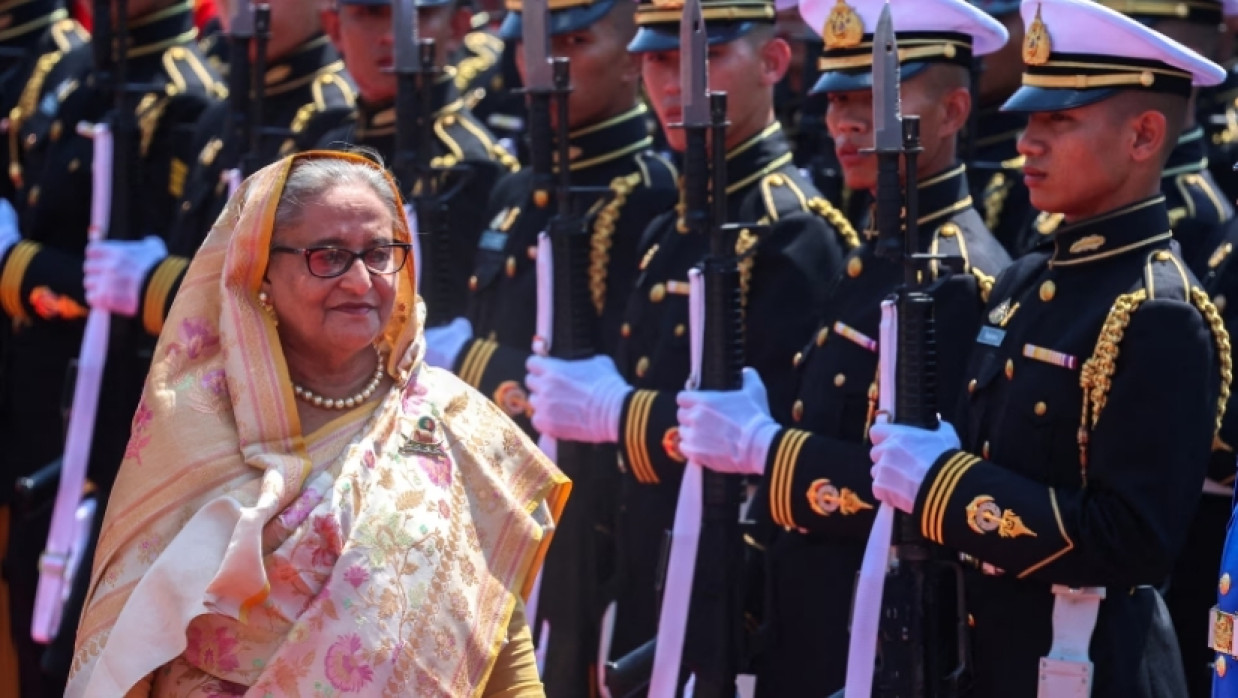
Former Bangladesh prime minister Sheikh Hasina has applied for a new passport and national identity card (NID) at the Bangladesh High Commission in Delhi through her lawyers, Reuters reported on Monday, November 9, citing a letter seen by the news agency.
The application, submitted on Monday, marks Hasina’s first such communication since she left Bangladesh for India in 2024. According to Reuters, she has been living in self-imposed exile in India since the student-led uprising ended her long rule in 2024.
Hasina is planning to return to Bangladesh in December, and the application for new travel and identity documents is being viewed as her clearest step yet towards that goal. The move could also trigger renewed political and legal tensions in Bangladesh, where activities of her Awami League party are currently banned.
Hasina told Reuters that she wants to return to Bangladesh to surrender before the court. Her aides said on Monday that she would announce the date of her return once the necessary formalities had been completed.
In November last year, Bangladesh’s International Crimes Tribunal sentenced Hasina to death in absentia over allegations that she ordered a deadly crackdown on the 2024 student-led uprising. She has denied the allegations while staying in India.
According to the letter seen by Reuters, lawyers from London-based Matrix Chambers sent the application to Bangladesh’s Acting High Commissioner in Delhi, Preeti Rahman. The letter said the interim government and relevant authorities had reportedly cancelled Hasina’s existing Bangladeshi passport and NID.
The lawyers requested that the authorities take necessary steps to issue new passports and national identity cards to Hasina on the basis of her Bangladeshi citizenship.
The letter also sought expedited consideration of both applications and urged the authorities to assess them in light of Bangladesh’s obligations under various international human rights conventions.
Reuters sought comments from Acting High Commissioner Preeti Rahman in Delhi and spokespersons for Prime Minister Tarique Rahman in Dhaka but received no immediate response.
Before Hasina’s ouster, the Awami League was Bangladesh’s largest political party. Since her removal from power, the party’s activities have been banned, while many of its leaders and activists remain in prison. Others are living in self-imposed exile in India or elsewhere.
Hasina served as prime minister for a total of 20 years across multiple terms. She retains support among sections of the population, Reuters reported, noting that her return could deepen political divisions in Bangladesh.
The news agency also suggested that her return could potentially ease recent tensions between Bangladesh and India.
 Follow The Daily Campus on Google News