Primary Scholarship Program Now Open to Kindergarten Students
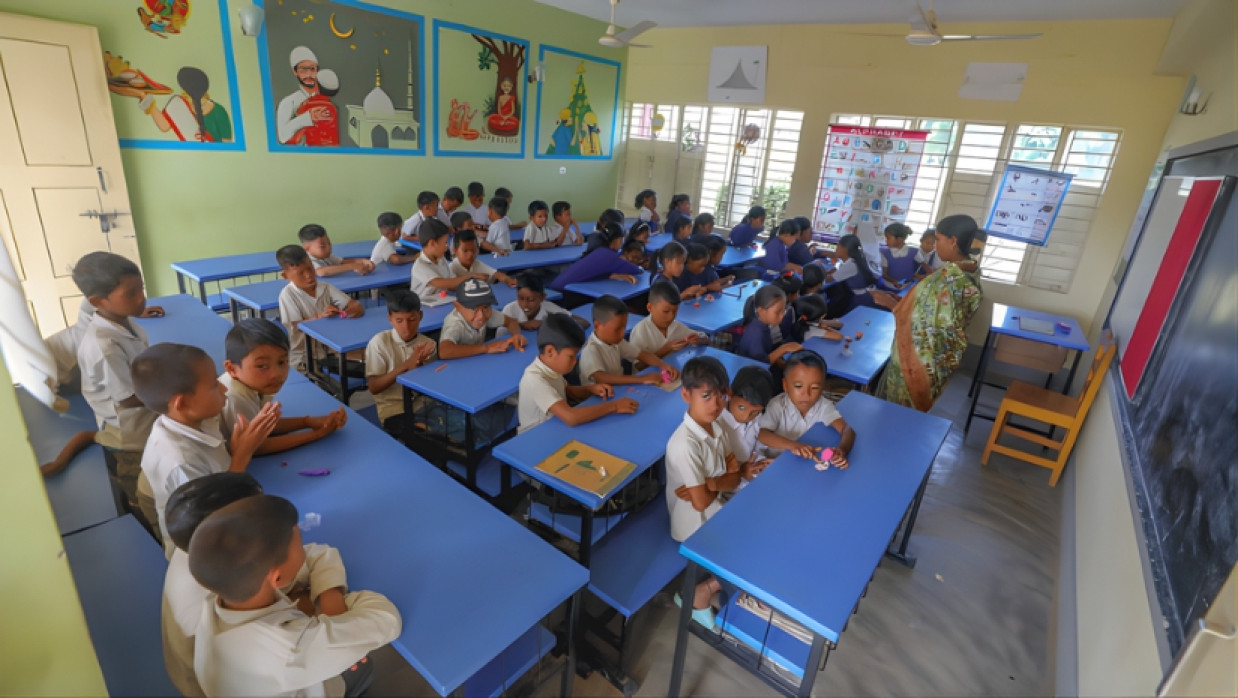
In a landmark policy shift aimed at promoting inclusive and equitable education, the Government of Bangladesh has decided to include students from kindergarten (non-government/private) institutions in the Primary Education Scholarship Examination (commonly known as the Class V Scholarship Exam).
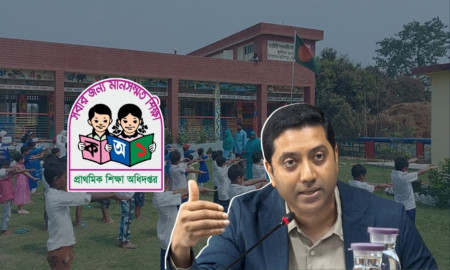
Education Minister Dr. A.N.M. Ehsanul Haq Milon made the announcement during a press briefing today following the formal release of the Junior Scholarship Examination results (Class VIII level, including Dakhil, Ibtedayi, JS, and JD streams) at 1:30 pm.
The minister explained that last year's primary scholarship exam was limited to government primary school students, which led to legal challenges and concerns over exclusion. Following court directives and internal discussions, the government has resolved to extend eligibility to kindergarten students. “One country, one education system,” he emphasized, underscoring the constitutional right of all students to participate.
Key Details of the Reformed Primary Scholarship Exam
- Same question paper for both government and private (kindergarten) students to ensure uniformity and fairness.
- Quota distribution: 80% of scholarships reserved for government primary school students, 20% for private/kindergarten students — reflecting higher enrollment in government institutions.
- Scholarship rates (both Talent Pool and General categories):
- Talent Pool: One-time grant of Tk 225 + monthly Tk 300
- General: One-time grant of Tk 225 + monthly Tk 225
- Total scholarships planned: Approximately 82,500 overall, with 33,000 under Talent Pool.
- Allocation basis:
- Government quotas (80%) distributed at union and ward levels.
- Private quotas (20%) allocated at upazila level.
- Per union/ward unit: Typically five scholarships — two for boys, two for girls, and one merit-based.
- Exam timing: The deferred primary scholarship exam (from last year) is scheduled for April 2026, ahead of Eid-ul-Adha. Question papers will be prepared soon, and study materials will be provided.
The minister also indicated that the government is considering increasing the number of scholarships in future years.
The minister noted that kindergarten students, often concentrated in urban areas with greater parental supervision and resources, may have slightly different academic exposure. However, a uniform question paper will help identify and bridge gaps. “We do not want to take away any incentive from students or parents,” he added, stressing the importance of maintaining motivation while expanding access.
Parents and students are advised to stay updated via dpe.gov.bd and official board websites for exam schedules, further details, and scholarship disbursement instructions.
This reform addresses long-standing demands from kindergarten associations and aligns with judicial guidance from late 2025 cases. Education stakeholders have welcomed the step toward greater equity, though discussions continue on examination methods, quality incentives, and anti-irregularity measures.
 Follow The Daily Campus on Google News