2nd Anniversary of the July Uprising: The Promise of July Remains Elusive
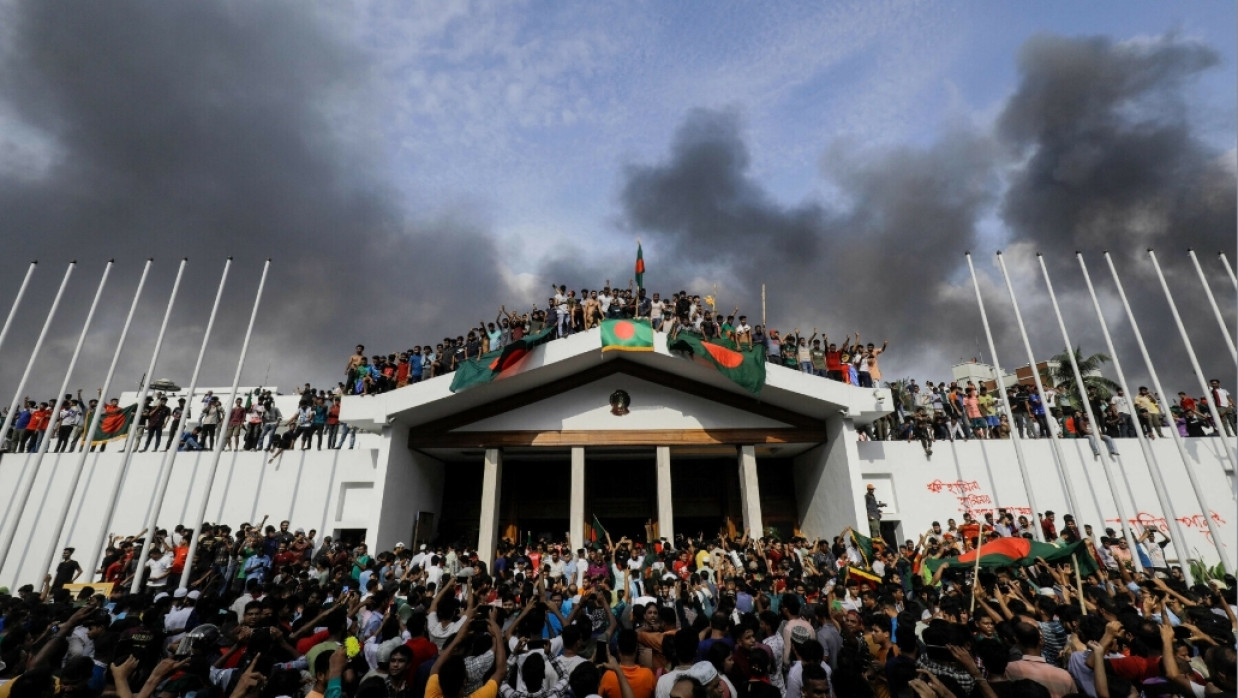
Two years after the historic July-August 2024 mass uprising that ousted the autocratic Awami League regime, public aspirations for systemic transformation remain largely unfulfilled. Following the February 12, 2026 general election, growing discontent over ongoing corruption, extortion, administrative politicization, and escalating inter-party conflicts has raised widespread questions regarding the reality of post-uprising change.
Disagreements Over July Charter and Reform Mandate
A primary source of political tension stems from the implementation of the "July National Charter 2025," finalized by 11 reform commissions after nine months of multi-party consultations. The charter required the newly elected government to convene a special "Constitution Reform Council" within 30 days of election results (by March 15). However, failure to activate this council and delays in executing judicial verdicts against July mass murder perpetrators have created a widening rift between the ruling Bangladesh Nationalist Party (BNP) and key political allies, including Bangladesh Jamaat-e-Islami and the National Citizen Party (NCP).
Violence and Inter-Party Confrontations
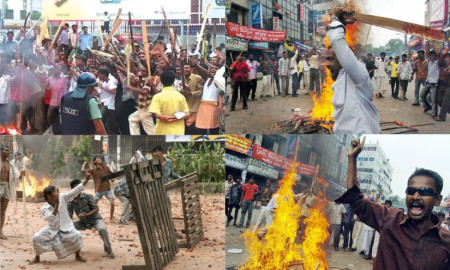
The growing political division among former anti-fascist allies has increasingly manifested as physical violence on the streets. Clashes between the BNP's student wing, Jatiyatabadi Chhatra Dal (JCD), and Jamaat's student wing, Bangladesh Islami Chhatra Shibir, recently left over a hundred students injured across Old Dhaka campuses—including Jagannath University, Government Alia Madrasah, and Dhaka College—culminating in controversial assaults inside hospital premises.
Expert Warnings and Political Reaction
Political analysts warn that disunity among pro-uprising forces risks rehabilitating ousted fascist elements and inviting foreign interference.
"Disunity among the July forces will invite destruction. Anti-fascist forces must remain united, as violence is not a democratic language and only enables malicious actors to fish in troubled waters."
— Prof. Emeritus Dr. Anwarullah Chowdhury & Dr. Badiul Alam Majumdar (SUJON)
In Opposition, NCP Convener and Opposition Chief Whip Nahid Islam accused the government of betraying the public mandate, noting that despite nearly 70% of voters supporting constitutional reforms in a public referendum, the administration has offered only verbal commitments. Echoing these sentiments, Jamaat Assistant Secretary General Hamidur Rahman Azad stated that public sacrifices remain unhonored amid ongoing political repression.
In response, LGRD Minister and BNP Secretary General Mirza Fakhrul Islam Alamgir maintained that the BNP government remains fully committed to realizing the July movement's vision, building a state based on equity and justice, and resolving debates around charter implementation.
 Follow The Daily Campus on Google News