Tarique Rahman Named Among TIME’s 100 Most Influential People of 2026
PM Tarique Rahman Named Among TIME’s 100 Most Influential People of 2026
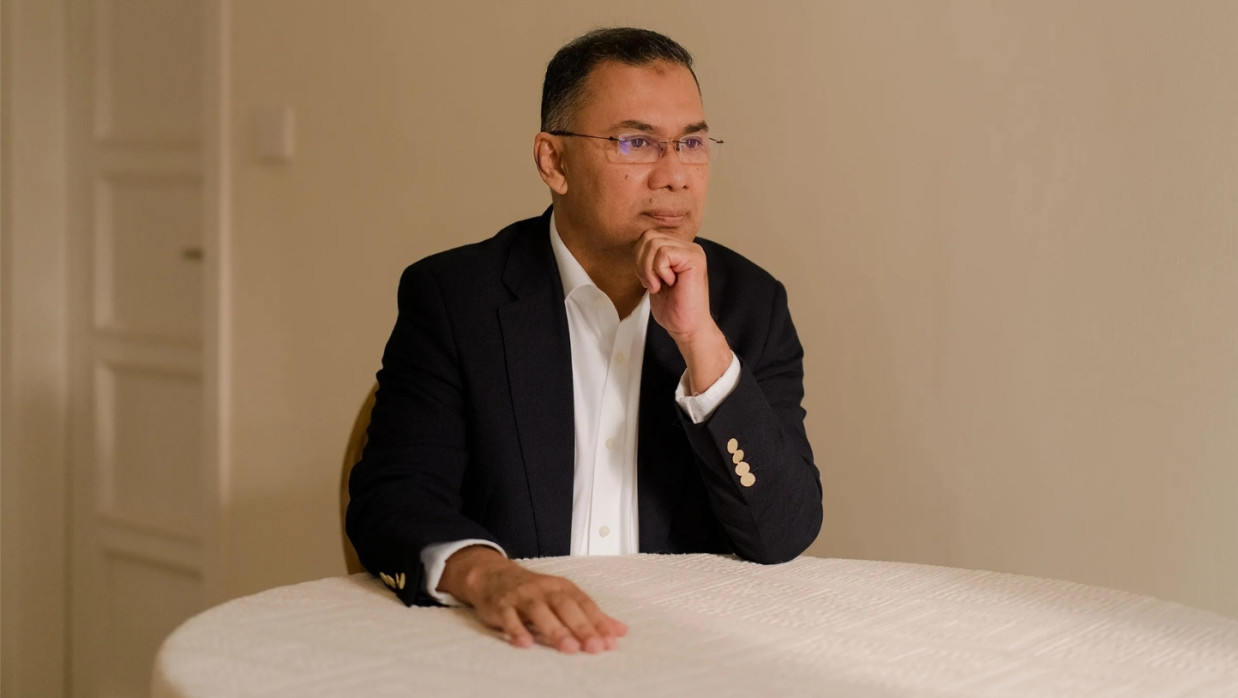
In a historic recognition of South Asia’s shifting political tides, Bangladesh’s 11th Prime Minister, Tarique Rahman, has been named to TIME’s annual list of the 100 Most Influential People of 2026. Featured in the "Leaders" category, Rahman’s inclusion underscores his dramatic transition from a decade-and-a-half in exile to the helm of a nation of 175 million people.
Writing for TIME, Editor-at-Large Charlie Campbell highlighted the sheer speed of Rahman’s political resurrection. Just months prior to his recognition, the 57-year-old leader was living in southwest London, orchestrating his party’s strategy from afar. His journey culminated on February 17, 2026, when he was sworn in following a landslide victory for the Bangladesh Nationalist Party (BNP). This electoral mandate effectively ended the transitional period led by Nobel laureate Muhammad Yunus, which followed the 2024 student-led uprising that unseated the previous administration.
Rahman joins an elite group of global figures in the 2026 Leaders category, sharing the list with giants such as Pope Leo XIV, U.S. President Donald Trump, Chinese President Xi Jinping, and Israeli Prime Minister Benjamin Netanyahu. His placement among these figures signals a renewed international focus on Bangladesh’s role in global trade and regional stability. Critics and supporters alike have noted that his inclusion in the TIME 100 reflects a clear electoral mandate and a global curiosity regarding his vision for "national unity" and the restoration of democratic rights.
The profile in TIME emphasizes that Rahman’s premiership is defined by the weight of inherited challenges. From tackling high inflation and youth unemployment to recalibrating complex diplomatic ties with neighboring India, the Prime Minister is viewed as one of the most watched leaders in Asia. His recent public rhetoric has shifted toward a more inclusive governance model, often stressing in interviews, “We need to work together, unite, so that people can have their political rights.”
As Bangladesh enters this new chapter, Rahman’s presence on the global stage serves as a testament to the country’s volatile yet resilient democratic journey. For a leader who spent 17 years abroad amidst legal and political turbulence, his appearance on the TIME 100 list marks not just a personal comeback, but a recognition of the significant democratic transition currently unfolding in Dhaka.
 Follow The Daily Campus on Google News