
Around 30% of students in Bangladesh have considered suicide at some point
Around 30% of students in Bangladesh have considered suicide at some point in their lives, according to findings presented at a seminar on the growing prevalence of suicide-related behaviour among students.
The findings were presented on Wednesday (September 9) at a seminar titled “Student Suicide: A Growing Crisis”, organised by Aachol Foundation at the Dhaka Reporters Unity (DRU) in Segunbagicha, Dhaka.
Experts at the seminar said suicide prevention should not focus only on reducing deaths. Effective intervention is needed at every stage of the process, including suicidal thoughts, planning and attempts.
The message for this year’s World Suicide Prevention Day is “Changing the Narrative on Suicide”, which calls for addressing silence, stigma and misconceptions surrounding suicide while promoting evidence-based discussion and effective prevention measures.
According to the World Health Organization’s 2021 global estimates, more than 700,000 people die by suicide worldwide every year. About 727,000 suicide deaths were recorded globally in 2021. Suicide is the third leading cause of death among people aged 15 to 29 worldwide, while around 73% of suicide deaths occur in low- and middle-income countries.
Gaps in Bangladesh data
Reliable data on suicide in Bangladesh remain difficult to establish because the country lacks a comprehensive national suicide surveillance system.
Comparable WHO estimates put Bangladesh’s suicide mortality rate at around 2.8 deaths per 100,000 people in 2021. However, significant differences exist between administrative records, police data and survey-based estimates, making it difficult to determine the actual scale of suicide in the country.
Experts therefore stressed the need for a reliable national suicide surveillance system. They also noted that suicide deaths alone do not provide a complete picture of the problem. Suicide-related behaviour can develop through several stages, including suicidal thoughts, planning, attempts and, in some cases, death.
Research shows concern over suicidal behaviour
A systematic review and meta-analysis on suicide-related behaviours in Bangladesh was published in Health Science Reports in August 2025. The study reviewed 34 research papers published between 2015 and 2024 and analysed data from 27,992 people. Nearly half of the studies focused on students.
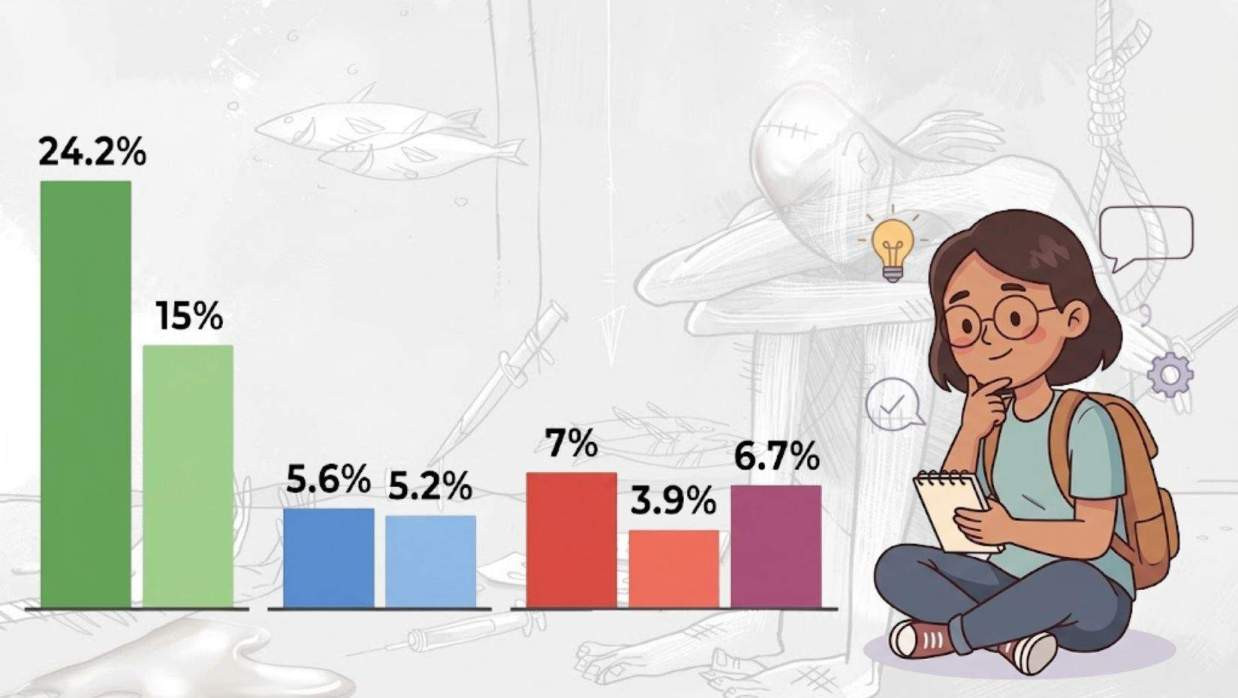
The pooled findings reported different rates for lifetime and recent suicide-related behaviours. For suicidal thoughts, the lifetime prevalence was 24.2%, while the prevalence during the previous 12 months was 15%. For suicide planning, the lifetime prevalence was 5.6%, compared with 5.2% during the previous 12 months. The lifetime prevalence of suicide attempts was 7%, while 3.9% reported an attempt during the previous 12 months. The pooled prevalence of suicidal thoughts during the previous month was 6.7%.
These findings indicate that approximately one in four people included in the reviewed studies reported experiencing suicidal thoughts at some point in their lives, while around one in 14 reported attempting suicide at least once.
However, the researchers cautioned against treating these figures as direct national prevalence rates. There was substantial variation among the studies, while a significant proportion focused on students and urban populations.
Other analyses have reported a suicidal-thought prevalence of 15.6% over the previous year and 7.3% for suicide planning. The prevalence of suicidal thoughts during the previous month was reported at 9.7% in those analyses.
The differences between studies underline the need for better population-level data to assess the scale and patterns of suicide-related behaviour in Bangladesh.
 Follow The Daily Campus on Google News