Why Neutrality Works in the Commentary Box but Fails in the Gallery
Almost every football fan wants their team to win. Yet, the exact same fan expects referees and commentators to remain completely neutral throughout the match. This simple contradiction reveals one of football's most fascinating, underlying truths.
Football possesses an innate power to unite people across borders, languages, and cultures. For ninety minutes, strangers celebrate together, dream together, and suffer together. Yet, the same game has also produced some of the darkest moments in sporting history, driven not by the players on the field, but by the volatile passions of those watching from the gallery.
One of the most tragic examples remains the 1985 Heysel Stadium disaster in Belgium. Before the European Cup Final between Liverpool and Juventus, violence involving rival supporters led to the tragic deaths of 39 people. Forty-one years later, football still witnesses clashes between die-hard fan groups across the globe. The game that brings billions together can, at times, drive thousands apart.
By the time supporters walk into a stadium, most already know who they want to win. Neutrality is rarely part of the fan experience. They arrive wearing team colors, carrying banners, singing anthems, and defending collective identities. A fan rarely says, "I hope the better team wins." More often, the message is visceral: "I hope my team wins."
This intense emotional attachment is not a weakness of football; it is the sport’s greatest asset. Loyalty creates rivalries, rivalries create atmosphere, and atmosphere creates lifelong memories. Without that raw emotional connection, football would lose its color, energy, and magic.
Yet, this loyalty creates a striking operational contrast. The very supporters who proudly declare their absolute allegiance to one side demand total fairness from referees and commentators. They want unbridled passion in the gallery, but clinical neutrality from those responsible for managing and explaining the game.
This expectation of absolute impartiality becomes heavily magnified on the global stage. Consider the pressure faced by a referee during a World Cup knockout match. Tens of thousands of supporters inside the stadium and millions watching around the world analyze every single decision. A single penalty, offside call, or red card can trigger immediate global controversy. Despite this enormous psychological pressure, the referee is expected to apply the rules blindly, regardless of noise, emotion, or public outcry.
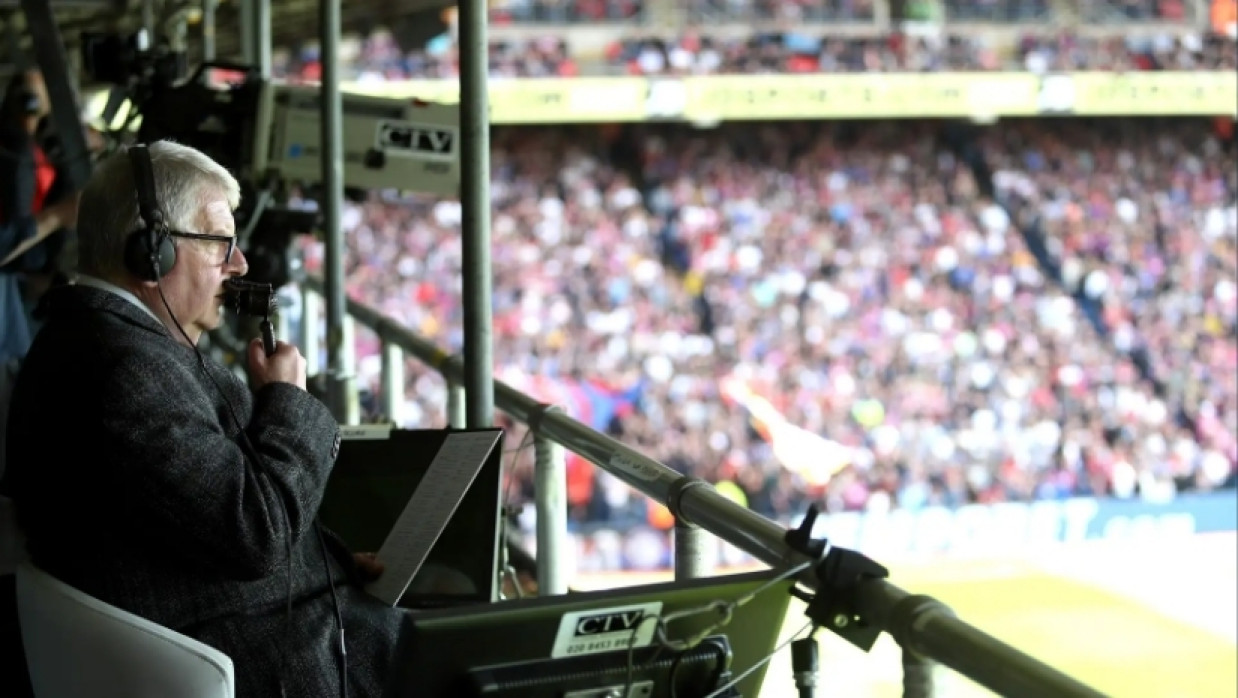
Broadcasters face a different but equally demanding challenge. Imagine the final moments of a World Cup final. A legendary player is chasing history, an entire stadium is hoping for one outcome, and social media is overflowing with expectation. Yet, the commentator is expected to remain calm, balanced, and professional.
An experienced commentator can admire brilliance, praise a stunning goal, and acknowledge the emotions of the occasion. However, their primary responsibility is not to support a narrative; it is to describe events accurately, provide context, and help viewers understand the tactical reality unfolding before them.
Football survives because different stakeholders are expected to behave differently. Supporters are free to celebrate, complain, and take sides. Referees and commentators are denied that freedom. Their credibility depends entirely on maintaining a strict distance from the loyalties that drive the crowd.
Without supporters, football would lose its heartbeat. Empty stadiums remind us how much the game depends on the energy and songs of its fans. But without trusted officials and credible broadcasters, football would lose something far more critical: public confidence in the integrity of the contest.
Fairness is not simply a professional expectation; it is the absolute foundation of their legitimacy. This reality extends far beyond football. People often accept bias in personal loyalties while demanding fairness from public institutions. We support families, communities, and political groups. Yet, we still expect judges, journalists, and teachers to treat everyone equally.
Supporters are free to choose a side. Referees and commentators are not. And that precise difference is what keeps the game fair.
 Follow The Daily Campus on Google News