Great Players But Not A Great Team: When Will Brazil's Stars Finally Click?
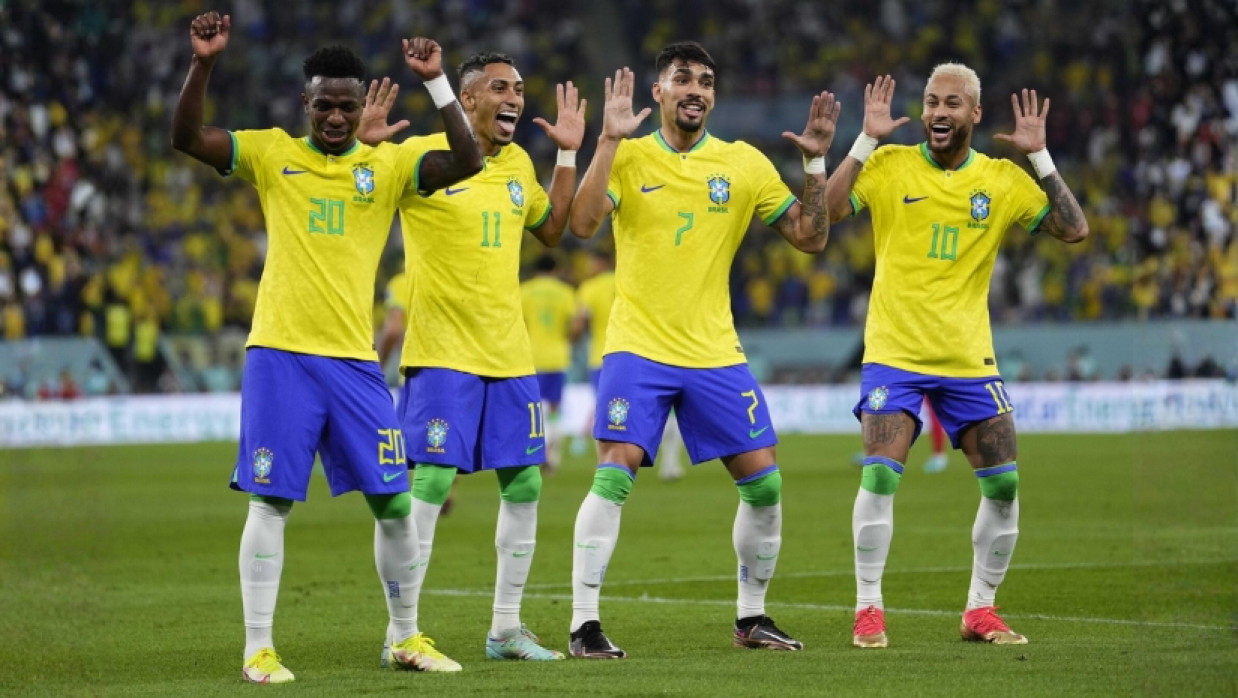
As Vinicius Junior stood in the mixed zone of MetLife Stadium following Brazil’s underwhelming 1-1 draw against Morocco, his post-match assessment was entirely predictable: "We have got to improve." But with 24 long years having now passed since their last world title in 2002, and as the Seleção embark yet again on their elusive quest for the Hexa, his words triggered a much deeper, more exhausting question for the millions watching across the globe: When will this collection of world-class individuals finally become a football team?
The 2026 World Cup opener was a microcosm of Brazil's modern existential crisis. On paper, Carlo Ancelotti commands a roster that reads like a Ballon d'Or shortlist. In practice, however, they remain a disjointed assembly of European-based stars who happen to wear the same yellow jersey. Vinicius Jr.’s sublime equalizer provided a temporary sigh of relief, but it was an individual answer to a systemic problem. The lack of cohesion in midfield, the erratic transitions, and the vulnerability to Morocco's lightning-fast counter-attacks exposed a familiar truth. Brazil is currently a squad of great players, not a great squad.
This dilemma is precisely what an anonymous 61-year-old fan from Rio, Nilson Brandão, captured so perfectly after the final whistle: "Brazil is still just a team... Not like 1982, much less 1970. But a side that truly represents Brazilian football. Good Brazilian athletes playing in Europe. That's fine. But there's a lack of cohesion."
To stop being just a constellation of stars and start acting like a galaxy, Brazil must undergo a cultural and tactical shift. Modern international football has evolved past the era where pure, unadulterated individual genius can reliably conquer the world. Tactically disciplined, highly organized units like Morocco or the United States are proving that collective harmony beats isolated stardust every single day.
For Ancelotti, the clock is ticking loudly. The legendary manager was brought in to instill the pragmatism and structural discipline required for tournament football. Yet, his limited time on the training pitch is showing. To fix this, Brazil must move away from over-relying on individual isolation plays out wide and start building a functional, possession-heavy midfield structure that dictates the tempo of the game. The players must learn to sacrifice their club-level starring roles to serve a collective system.
With Haiti and Scotland up next in Group C, Brazil will almost certainly find the wins they need to advance. But comfortable scorelines against lower-ranked opposition will no longer suffice to quiet the growing unrest back home. The Brazilian public doesn't just demand victories; they demand a cohesive identity. If Ancelotti cannot find the glue to bind these superstars together into a unified force before the knockout rounds begin, the Seleção will once again enter the brackets under a mountain of pressure, destined to be broken by the first truly organized team they encounter.
 Follow The Daily Campus on Google News