
Trump Claims Iran Wants a Deal as US Extends Deadline while Tehran Denies Talks
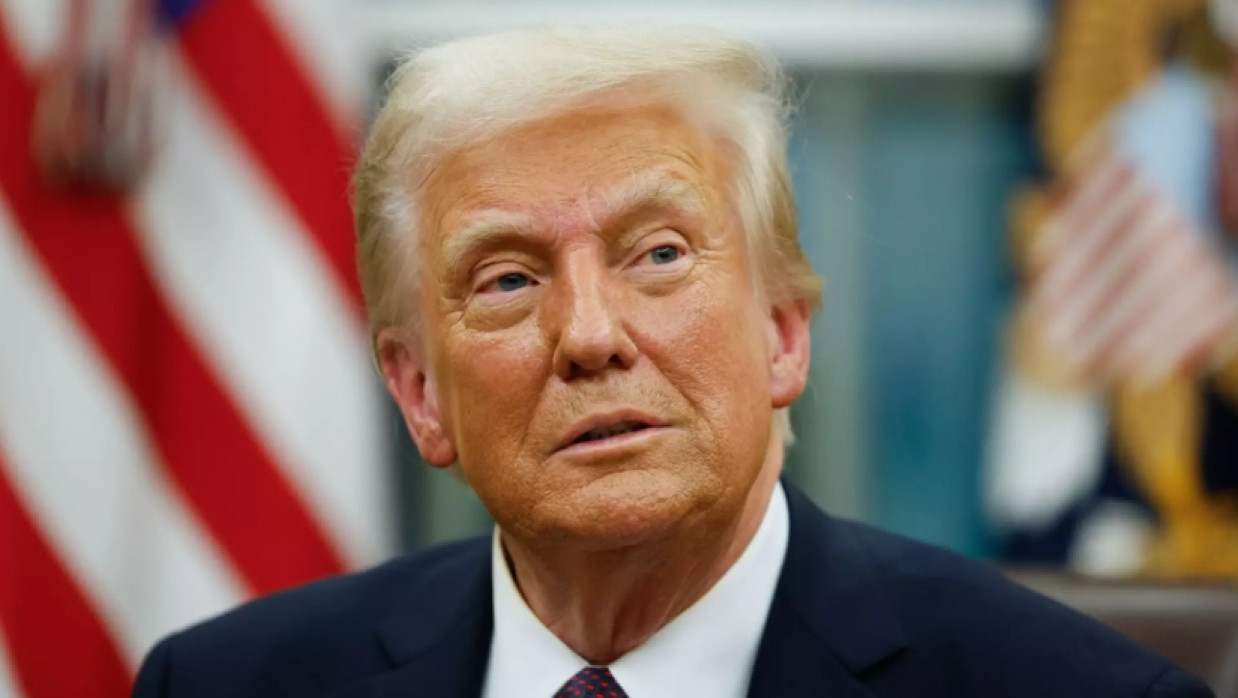
Global markets experienced a temporary reprieve this Tuesday after US President Donald Trump announced a five-day extension on the deadline for Iran to reopen the Strait of Hormuz. While Trump asserted that Tehran is wanting to make a deal to end the month long conflict, Iranian officials were swift to dismiss the claim as fake news intended to manipulate global markets.
The President indicated through social media and official remarks that US envoys had established contact with a respected Iranian leader, suggesting that further military action remains contingent on the progress of these alleged discussions. However, the conditions for such a deal, which Trump stated must include the US taking control of Irans enriched uranium, remain a major sticking point that Tehran has historically rejected.
The Iranian Foreign Ministry countered the White House narrative immediately. Spokesman Esmail Baghaei stated that no such negotiations have taken place, while Parliament Speaker Mohammad Bagher Qalibaf accused Washington of spreading misinformation to influence volatile oil and financial sectors.
Despite these denials, the news of a five day pause triggered an immediate drop in global oil prices and a rebound in stock markets, offering hope for a de-escalation of the crisis.
As the war enters its fourth week, the regional situation remains dire with hostilities continuing on the ground. Israeli strikes have hit targets in Tehran and Lebanon, where the official death toll has now surpassed 1,000.
The International Committee of the Red Cross has warned that increasing attacks on civilian energy and transport infrastructure could constitute war crimes, while the International Energy Agency flagged a major threat to the global economy, noting that developing nations in Asia and Africa are bearing the brunt of surging fuel costs.
Diplomatic channels remain active as Pakistan, Turkey, and Egypt intensify efforts to broker peace. Egyptian President Abdel Fattah el Sissi has called for renewed international pressure to end the hostilities.
However, the threat of further escalation looms large, as Irans Defense Council has warned it could mine key waterways in the Persian Gulf if faced with a ground invasion. With Washington and Tehran still fundamentally at odds over nuclear terms, the prospect of a lasting resolution remains uncertain despite the temporary extension.
 Follow The Daily Campus on Google News