New Minister Calls for ‘Disaster Management’
Electricity Sector Faces ৳45,000 Crore Debt Crisis
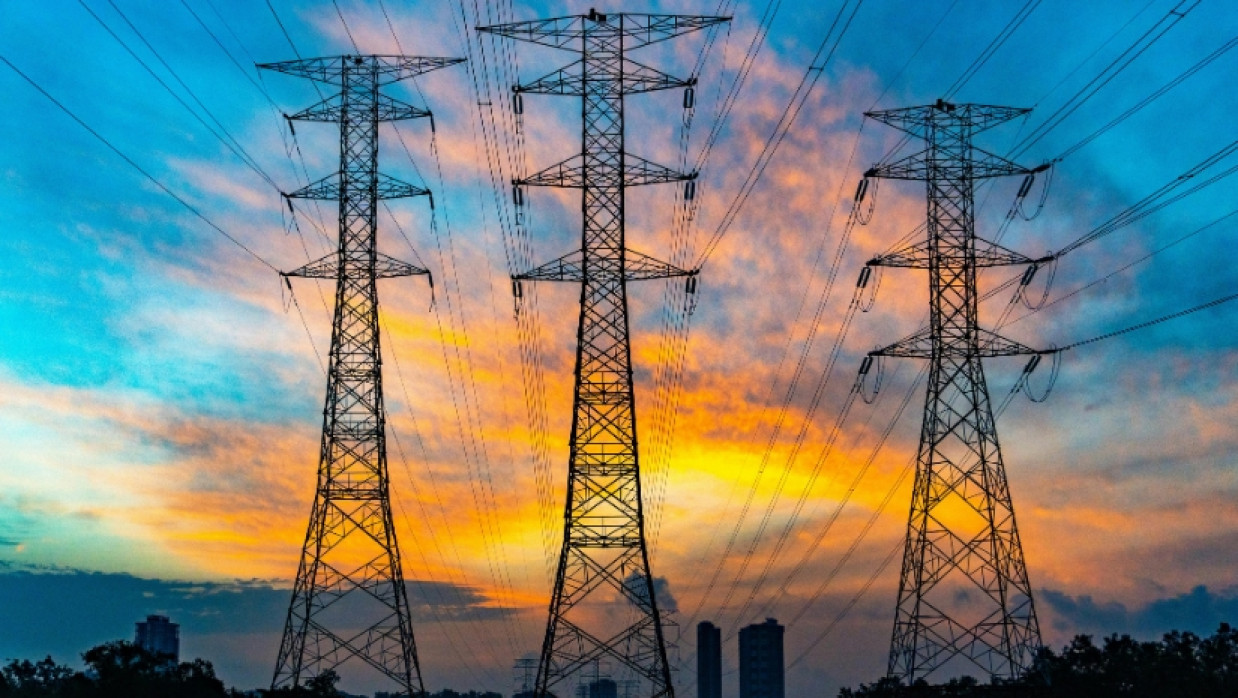
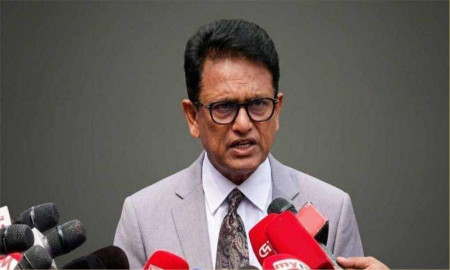
Bangladesh’s new government has inherited a massive financial crisis in the power sector, with domestic and foreign companies owed around ৳45,000 crore in total arrears. Power and Energy Minister Iqbal Hasan Mahmud described the situation as “very complicated” and said the ministry must now conduct “disaster management” to keep the sector running.
Speaking to reporters, the minister said: “We have to manage the situation by securing funds. There is a plan, but the big problem is that the power sector has been made financially bankrupt. There are huge arrears and debts. Fuel is not available; we have to import it. In short, it is very complicated. We have to work to solve these issues.”
Current Demand and Capacity
Current electricity demand is around 13,000 MW. The Power Division estimates peak demand could reach 18,000 MW this year. The minister said gas, coal, and oil-based power plants will need to run to meet demand during Ramadan, irrigation season, and summer.
Installed generation capacity (including public, private, and import) stands at 28,919 MW. The country has 4.94 crore electricity consumers. The highest generation so far was 16,794 MW on 23 July 2025.
Breakdown of Arrears
According to Bangladesh Power Development Board (BPDB) data (up to February), ৳45,000 crore is owed in total. Of this, around ৳14,000 crore is due to private companies involved in oil-based power generation. Many private producers have not received bills for the past 7–8 months.
Why the Debt Accumulated
BPDB Chairman Md. Rezaul Karim explained: “This has been increasing continuously from the beginning. It reached this stage through cumulative effect. What we receive from the government as subsidy is being deducted. More deductions will come, and we will get some more subsidy from the government.”
Private producers say arrears spiked after July 2025, with no payments received since then. Some suspect the interim government deliberately created this situation. However, former Adviser Fawzul Kabir Khan said: “Payment depends on the Finance Ministry’s release. There is no intentional delay. It depends on revenue and subsidy availability. When BPDB gets money, it pays.”
Fuel Import Challenge
88% of generation depends on gas, coal, and oil — most of which is imported. Domestic gas production is declining, forcing reliance on LNG, oil, and coal imports.
Energy expert Dr. Ejaz Hossain said: “The main challenge will start one month from now. If we think we will run oil-based plants, import LNG, and coal, the question is whether we will have the dollars to pay for it. Normal load-shedding will increase when heat rises.”
He added that running coal plants at only 45–55% capacity (instead of 85%) means lost potential. Closing oil-based plants could save ৳28–30 thousand crore annually, but completely stopping them is “absolutely impossible” due to peak demand and industrial gas needs.
Minister’s Immediate Plan
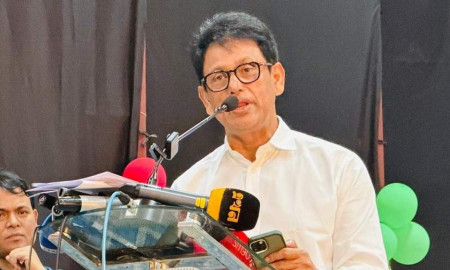
Minister Iqbal Hasan Mahmud said priority is to supply power during Ramadan and irrigation without causing hardship. He will discuss with the Finance Ministry to release funds for oil-based plants on standby for emergency use. Long-term planning will follow after stabilizing supply.
Private Sector Warning (BIPPA)
The Bangladesh Independent Power Producers Association (BIPPA) warned that without quick payment of arrears, many plants may struggle to import oil. Net oil stock has already dropped from over 1 lakh metric tons in January to around 80,000 tons in mid-February. Delays in LC opening take 40–45 days for oil delivery.
They also objected to BPDB’s imposition of Liquidity Damage (LD) charges for not supplying power on time, calling it unfair given non-payment of bills.
Long-Term View
Analysts say escaping the subsidy-debt cycle requires multidimensional steps: tariff adjustment, reducing oil-based generation, managing load-shedding, and tackling corruption and irregularities. Dr. Ejaz Hossain noted the previous government restricted oil plant usage to control subsidy burden — a policy likely to continue.
The new minister acknowledged the inherited mess and said the government is now focused on “disaster management” to keep power flowing through the upcoming high-demand period.
 Follow The Daily Campus on Google News