
The Anatomy of a Dynasty’s Self-Implosion: House of the Dragon Season 3
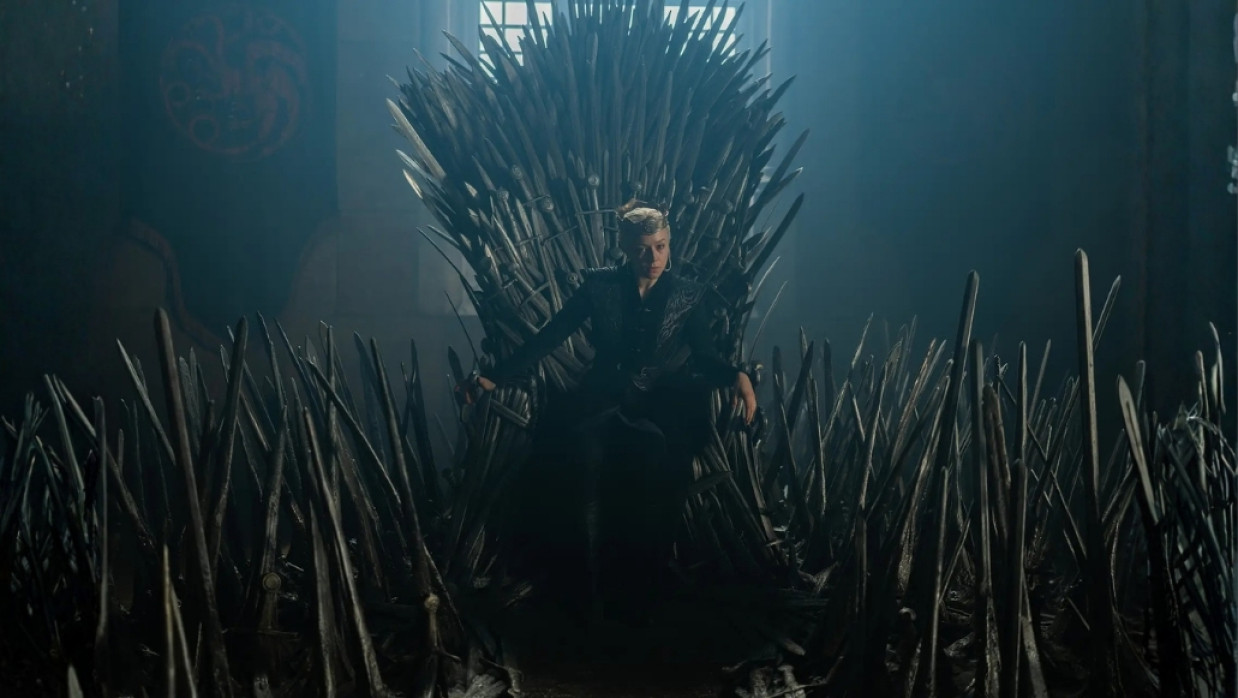
Moving beyond narrative inertia, HBO’s prequel turns George R.R. Martin’s unreliable history into a study of autocratic decay, weaponised myth and the devastating cost of total war. If the second season of House of the Dragon often felt as though the story were holding its breath while armies marched and lords debated in dark chambers, Season 3 finally lets that tension erupt.
The eight-episode season moves with the brutal momentum of a classical tragedy. Rather than simply translating the major events of George R.R. Martin’s Fire & Blood into spectacle, it gives the Dance of the Dragons a sharper thematic meaning: this is not merely a war for the Iron Throne, but the gradual destruction of the mythology that allows the Targaryens to claim divine authority.
SPOLER ALERT
Rhaenyra and the Messianic Trap
The season’s emotional centre is Rhaenyra Targaryen’s transformation. In earlier seasons, she was presented as a reluctant ruler, attempting to claim the throne while avoiding the kind of bloodshed that could destroy the realm. Her belief in Aegon the Conqueror’s prophecy initially appears to be a burden, giving her rule a purpose beyond personal ambition.
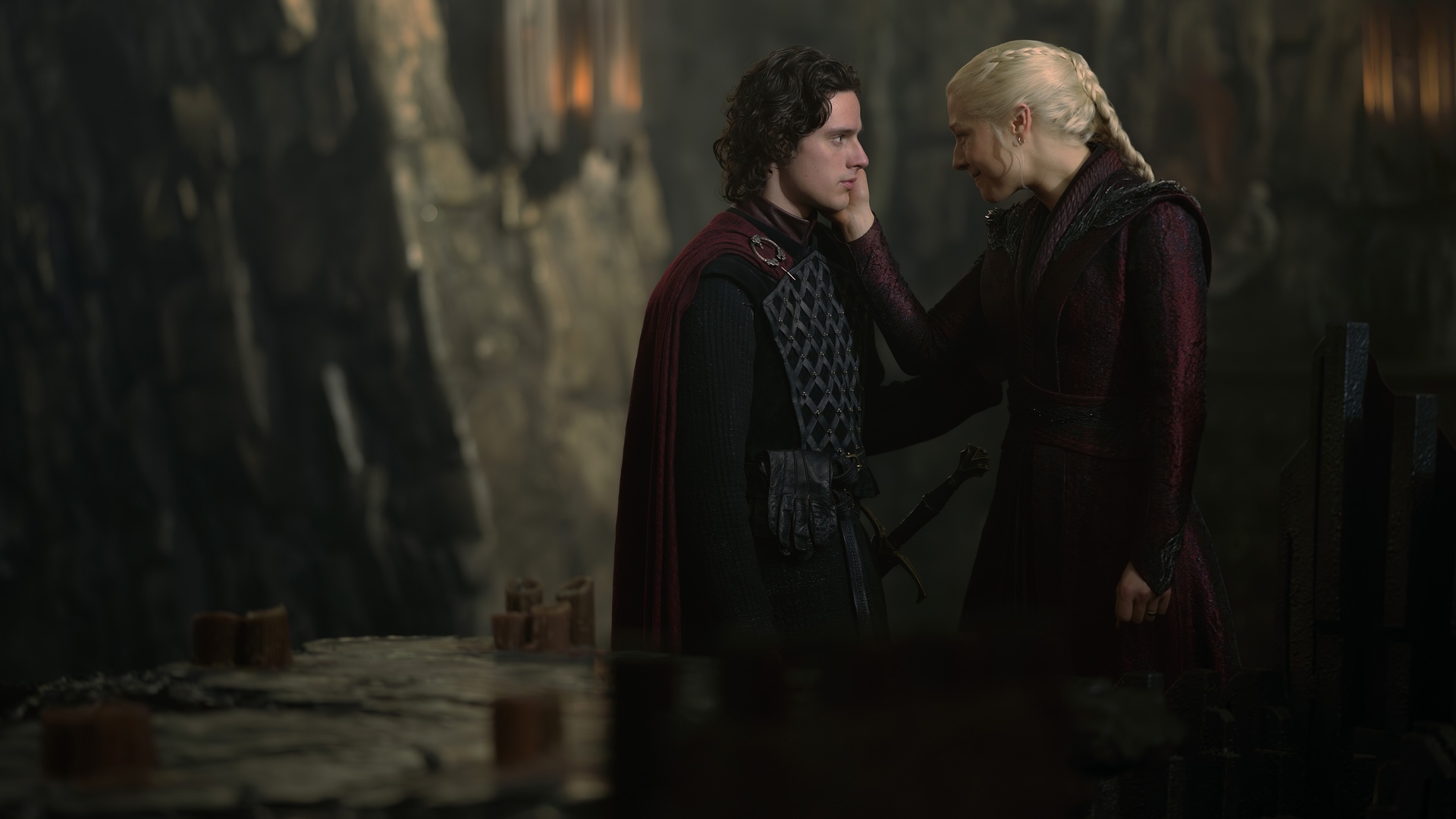
Season 3 gradually strips away that restraint. When Rhaenyra finally takes the Iron Throne, the victory is immediately undercut by the physical nature of the seat itself. The throne is sharp, unforgiving and dangerous, reflecting the increasingly brutal demands of ruling Westeros.
Emma D’Arcy portrays Rhaenyra’s psychological deterioration with remarkable restraint. Her belief in her own destiny slowly turns into something more dangerous as political pressure mounts, resources diminish and personal losses accumulate.

The season’s central warning is simple: prophecy without humility can become a justification for tyranny. Rhaenyra increasingly relies on the Song of Ice and Fire not simply as a prophecy she must fulfil, but as a reason to believe that her authority is inevitable. As she turns against advisers, confines allies and treats dissent as a challenge to her legitimacy, the show exposes the contradiction at the heart of Targaryen rule.
Her intentions may once have been noble, but the political system she inherits is built on absolute power backed by dragons. Eventually, that system begins to reshape the person sitting on the throne.
The Gullet, Tumbleton and the Cost of Dragon Warfare
Season 3 also changes the way the series depicts dragon warfare. Rather than presenting dragons primarily as spectacular weapons or symbols of Targaryen power, the season increasingly portrays them as weapons of mass destruction. Their battles have consequences not only for rival armies and royal families, but for ordinary people caught beneath them.

The Battle of the Gullet becomes a major turning point. Jacaerys’ death is not simply another devastating loss for Rhaenyra. It removes one of the more pragmatic figures within her coalition and deepens the sense that the war is becoming increasingly difficult to control.
The betrayal at Tumbleton pushes that idea further. The introduction of the dragonseeds, including Ulf White and Hugh the Hammer, challenges one of the central assumptions underlying Targaryen rule: that their connection to dragons makes them uniquely qualified to rule.

Giving dragons to men from outside the traditional ruling elite undermines that mythology. But the consequences are hardly liberating. When Ulf turns Silverwing’s power against former allies and civilians, the series makes another point clear: access to overwhelming power does not automatically produce a better ruler.
Tumbleton is therefore less a conventional fantasy battle than a vision of social and political collapse. The destruction left behind by the dragons exposes the human cost of a war fought by elites who possess the power to destroy entire communities.
Adapting Martin’s Unreliable History
One of Season 3’s most ambitious achievements is the way it expands on the deliberately unreliable history of Fire & Blood. Martin’s book presents the Dance of the Dragons through conflicting accounts, shaped by maesters, courtiers and historians with their own biases. The television adaptation therefore has to transform historical fragments into characters with coherent emotional journeys.
For the most part, Season 3 succeeds.
Aegon II, The Broken King: Aegon II remains one of the season’s most compelling characters. Tom Glynn-Carney avoids portraying him as a conventional villain. Instead, Aegon emerges as a deeply damaged man desperate for recognition and validation after being broken by the war.
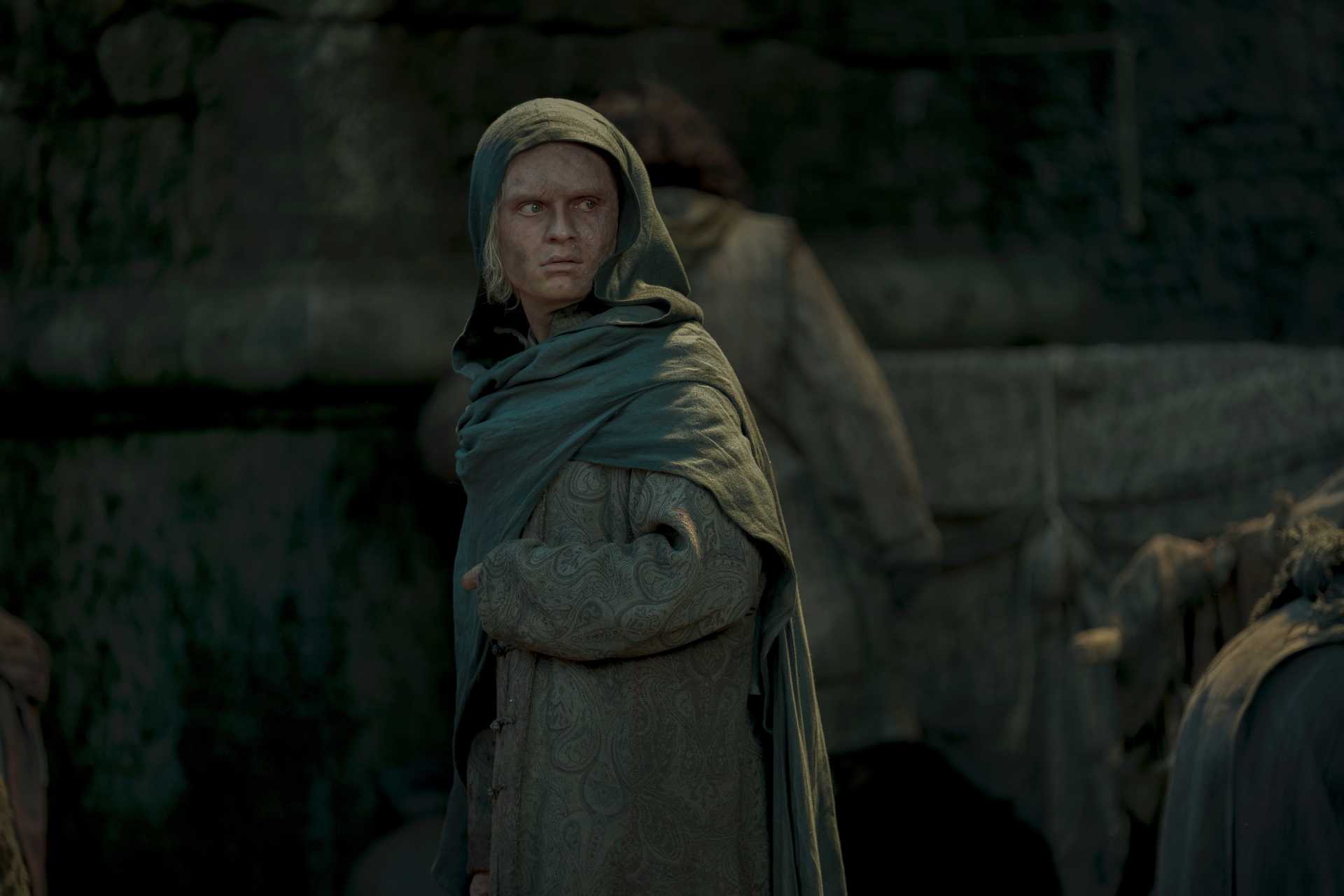
His reunion with the battered Sunfyre gives the character an unexpected vulnerability. Their relationship reminds viewers that behind the competing claims to the throne are individuals being physically and psychologically destroyed by the conflict.
Aemond and the Gothic Horror of Harrenhal: Aemond Targaryen’s storyline takes on an increasingly gothic quality at Harrenhal. Ewan Mitchell portrays Aemond’s arrogance as a fragile defence mechanism, revealing a character increasingly consumed by fear and insecurity. His encounters with Alys Rivers deepen the supernatural atmosphere surrounding Harrenhal.
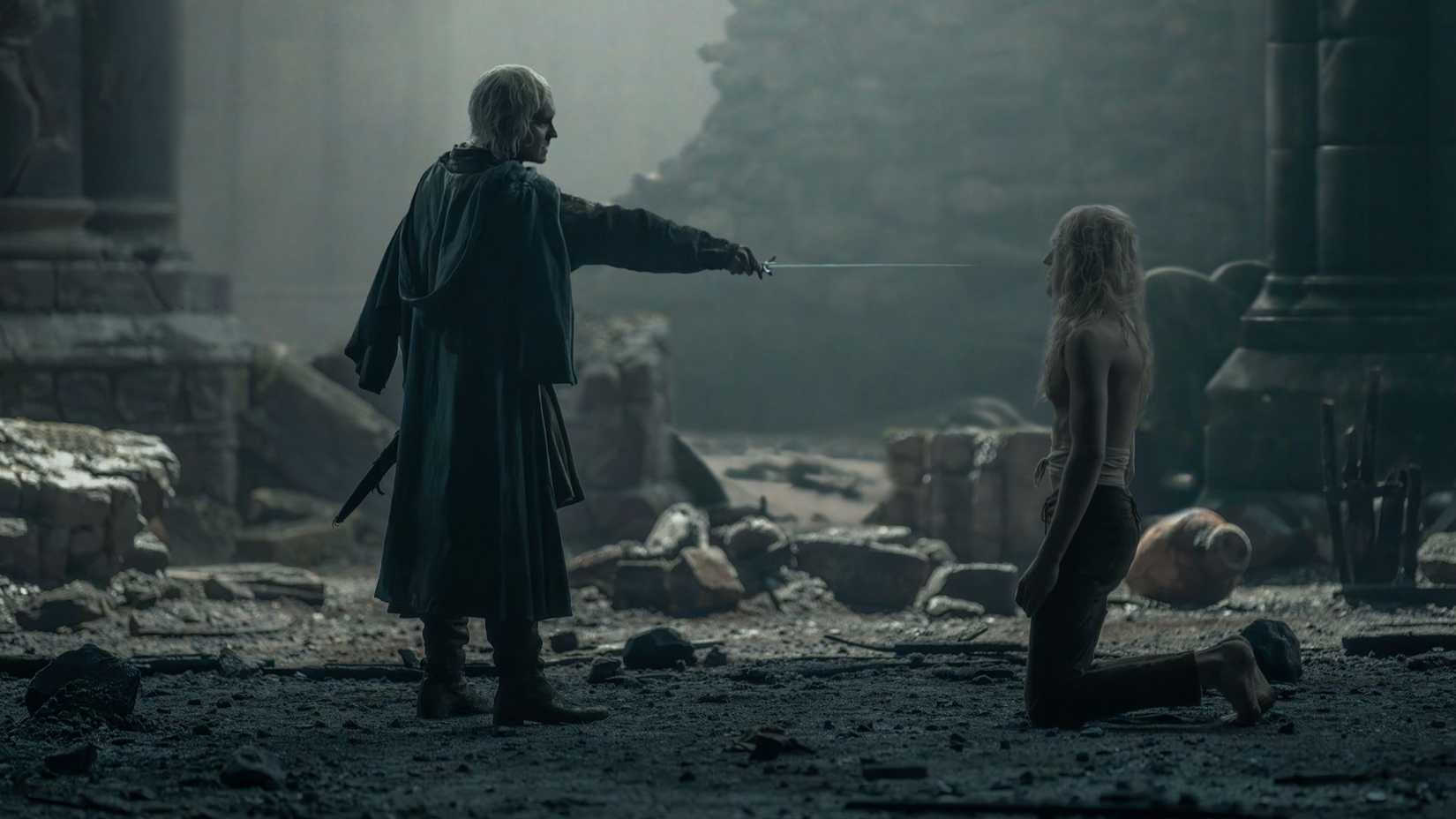
Alys, meanwhile, represents something older and less comprehensible than the Targaryen order. Her presence quietly challenges the assumption that Valyrian power is the ultimate expression of authority in Westeros.
Alicent Hightower’s Isolation: Alicent remains the tragic centre of the court's political drama. Olivia Cooke portrays a woman trapped by the consequences of decisions made in the name of family and duty. As the conflict destroys the people she sought to protect, Alicent is forced to confront the possibility that she helped create the very catastrophe she wanted to prevent.
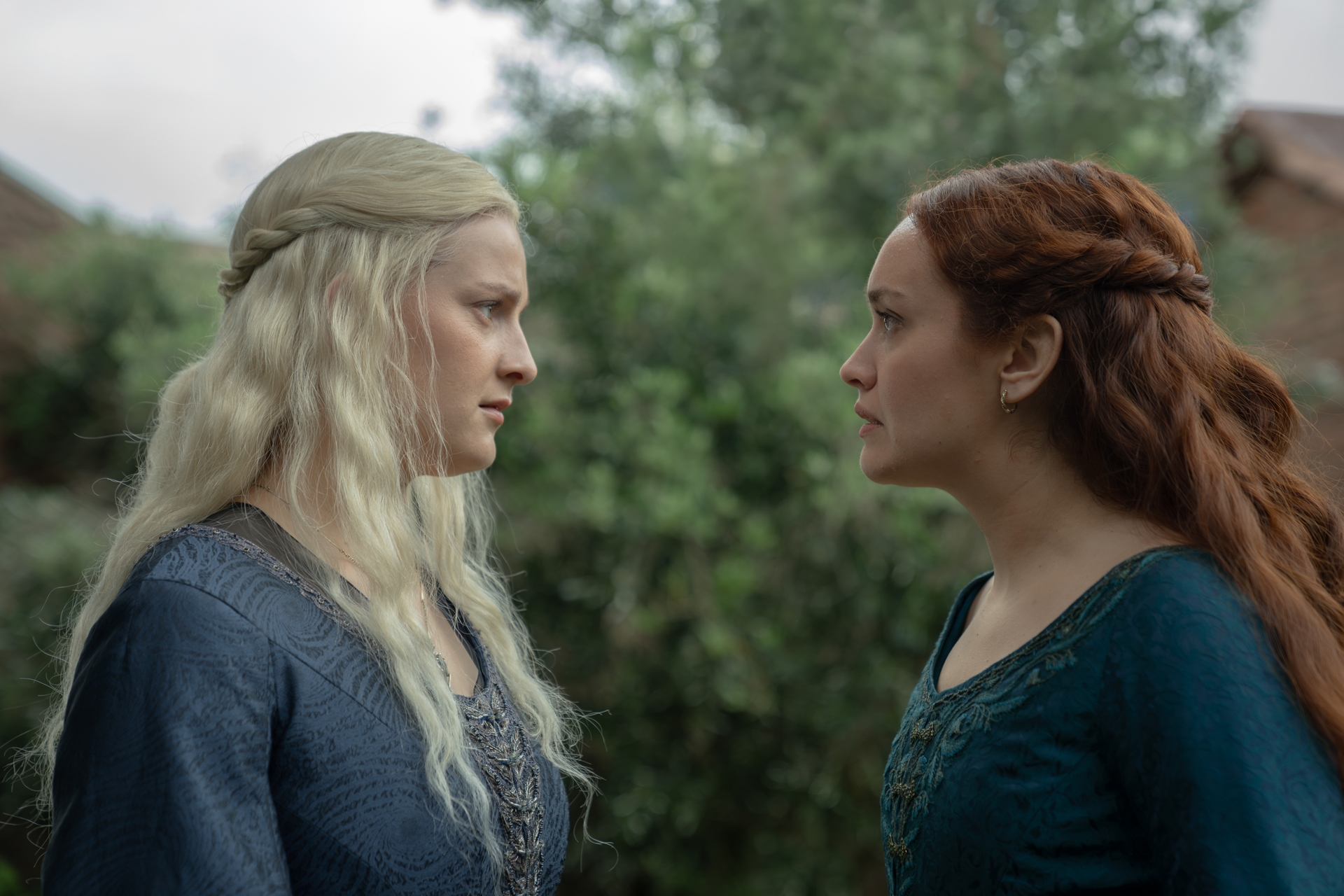
Her tragedy is not simply that she loses her family. It is that the ideals she once believed would preserve them ultimately contribute to their destruction.
Where Season 3 Stumbles
The season is not without weaknesses. Its compressed pacing occasionally makes major political developments feel abrupt. Some shifts within the Small Council receive less attention than their significance might warrant, making parts of the political story feel as though they are moving primarily to position the characters for the next major event.
:max_bytes(150000):strip_icc():focal(749x0:751x2)/Phia-Saban-House-of-the-Dragon-081026-dfae7c226dcd46029432ddfb27eb5cde.jpg)
Helaena Targaryen’s tragic fate is another example. The sequence is visually haunting, but the psychological consequences of her death could have received more space before the story moved forward. These shortcomings do not undermine the season, but they reveal the difficulty of adapting a sprawling historical narrative into a limited number of episodes.
The Verdict
Season 3 pushes House of the Dragon beyond the conventions of a franchise prequel and further into the territory of prestige tragedy. Its greatest strength is its refusal to offer a simple division between heroes and villains. Rhaenyra’s transformation, Aegon’s suffering, Aemond’s paranoia and Alicent’s isolation all emerge from the same political system: a monarchy built around hereditary legitimacy, military power and the near-mythical authority of dragons.

The Dance of the Dragons therefore becomes more than a succession dispute. It becomes a study of what happens when rulers convince themselves that their claim to power is not merely political, but inevitable.
As the story moves toward its final chapter, Westeros is left with a grim reality: a kingdom scarred by war, rulers shaped by trauma and dragons capable of turning political disputes into mass destruction.
The dynasty has not simply been fighting to control the realm. It has been destroying itself to prove who deserves to rule it.
 Follow The Daily Campus on Google News