President’s Chair Must Be Honoured, But Personal Thanks Withheld: Whip
A ruling party whip expressed a complex and divided stance regarding the presidency during a parliamentary session on Wednesday. Speaking during the discussion on the thanksgiving motion on the President’s speech, Lakshmipur-4 MP and Whip ABM Ashraf Uddin Nizan stated that while the office of the President deserves the highest respect, he could not extend personal gratitude to the incumbent, Mohammed Shahabuddin.
Paying tribute to the martyrs of the July uprising in his constituency, Nizan shared that he had made a solemn pledge to the grieving mothers of the deceased. He noted that he promised them the chair of the President must be honoured, and he formally thanked the chair itself. However, he explicitly expressed regret that he could not thank Mohammed Shahabuddin Chuppu as an individual.
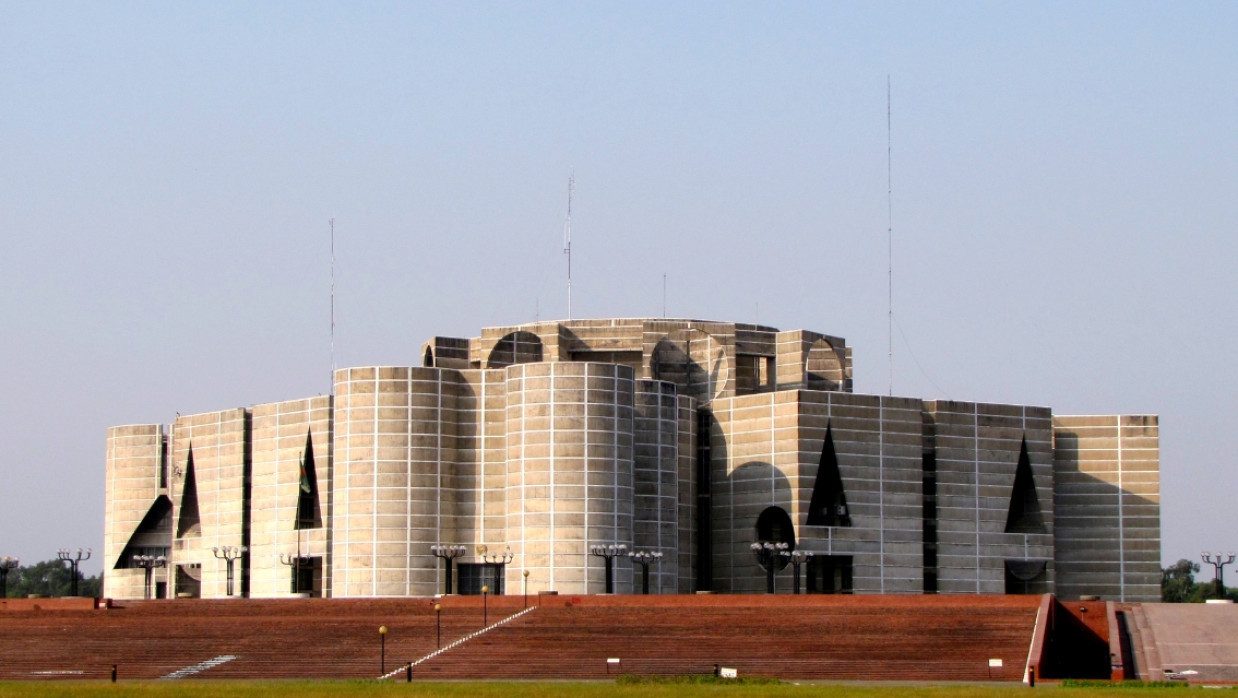
The Whip reflected on the intense public anger witnessed during the July uprising, recalling the chaotic scenes at the Jatiya Sangsad Bhaban and Ganabhaban. He claimed that when rumours circulated about people hiding inside the Parliament building, rooms were forcibly opened, and large sums of money were allegedly discovered. He also mentioned the symbolic removal of bricks from Ganabhaban by the public.
Nizan emphasized that these actions were not orchestrated by BNP or Jamaat-e-Islami leaders, nor were they the work of the families of the martyrs. Instead, he described the events as an "outburst of anger" from ordinary citizens, including laborers and rickshaw pullers, who were driven by long-standing grievances.
Turning his attention to the history of the House, the Whip launched a sharp critique of the 9th Parliament’s conduct. He alleged that under the leadership of the then Leader of the House, Sheikh Hasina, members of the treasury bench were encouraged to use derogatory and offensive language against the then Leader of the Opposition, Khaleda Zia.
He described the atmosphere of that period as toxic, claiming that offensive remarks were frequently sanctioned from the top. "Despite all that," Nizan remarked, "we continued to remain in Parliament," highlighting the resilience of the opposition at the time. His speech underscored a broader theme of institutional respect versus individual accountability in the current political landscape.
 Follow The Daily Campus on Google News