With inputs from BBC
Iranians Divided on Mojtaba Khamenei's Rise as Supreme Leader Amid War
Published: 10 March 2026, 11:41 AM
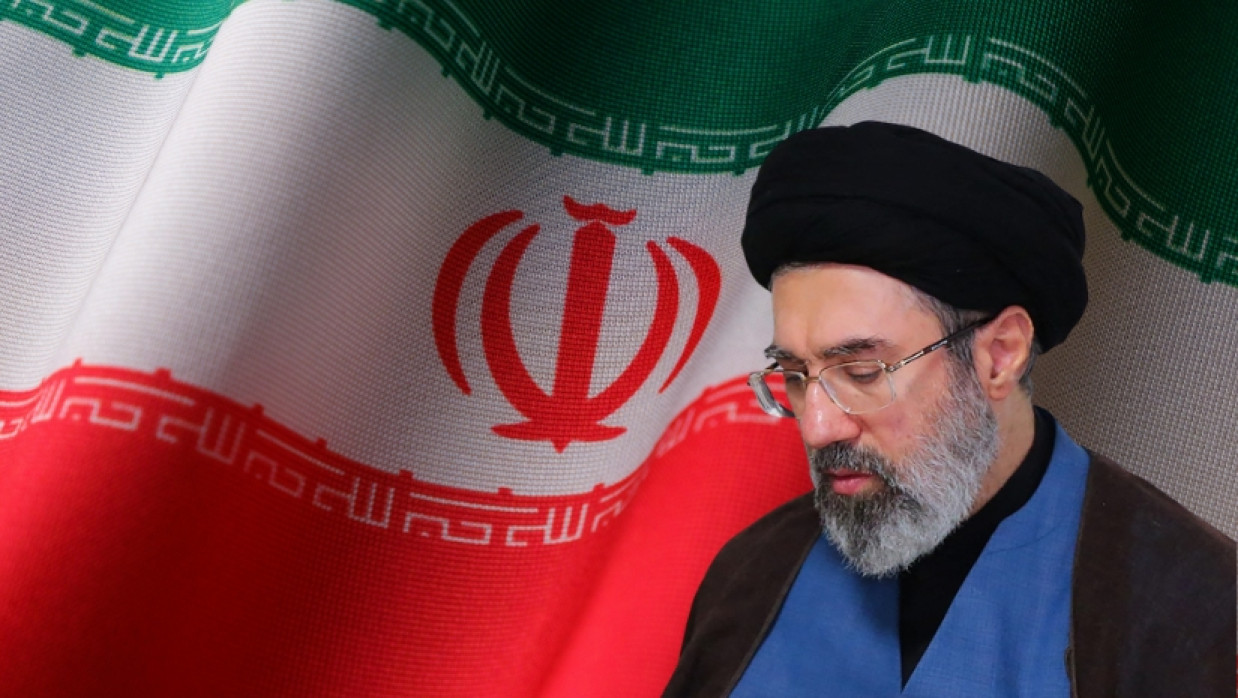
Iranians are sharply split over the appointment of Mojtaba Khamenei as the new supreme leader following the killing of his father, Ayatollah Ali Khamenei, in the early stages of the U.S.-Israeli military campaign against Iran.
While pro-government supporters rallied in cities like Qom, Mashhad, and Tehran’s Enghelab Square—waving flags and holding posters praising the new leader for ensuring continuity—critics expressed deep concerns that his rule signals no meaningful reform and could lead to even harsher policies.
Residents in Tehran told the BBC the selection by the 88-member Assembly of Experts reinforces the hardline status quo. “Even the smallest chance of reform within the system is gone,” said one man in his 30s, noting Mojtaba’s closeness to his father. Another resident warned that the war and his father’s death might make Mojtaba “more vengeful,” potentially leading to increased oppression if direct retaliation against the U.S. is impossible.
A woman in her 20s echoed fears that Mojtaba would be “more oppressive than his father.” Social media videos verified by BBC Persian showed mixed scenes: some protests chanting against Mojtaba, while others shouted religious slogans in support.
Mojtaba Khamenei, 56, has long been seen as an influential figure behind the scenes, with close ties to the Islamic Revolutionary Guard Corps (IRGC) and Basij paramilitary. Leaked U.S. diplomatic cables from WikiLeaks described him as a key gatekeeper during his father’s rule, influencing elections and security matters.
His appointment comes amid escalating conflict, with U.S. President Donald Trump calling him “unacceptable” and warning that any leader chosen without U.S. approval “would not last long.” Israeli officials have vowed to continue targeting Iran’s leadership.
Analysts say Mojtaba faces Iran’s most severe leadership test since the 1979 Revolution, navigating war, internal divisions, and international pressure.
 Follow The Daily Campus on Google News