Nearly 5,000 Bangladeshis Deported Following BJP Victory in West Bengal
Indian authorities have deported nearly 5,000 Bangladeshi citizens from West Bengal since Prime Minister Narendra Modi's Bharatiya Janata Party (BJP) swept to power in the eastern border state last month, according to official statistics. The aggressive repatriation campaign follows the BJP's recent electoral triumph in the state of over 100 million people, where the party campaigned heavily on promises to "detect, delete, and deport" undocumented migrants.
The new West Bengal state administration immediately prioritized the border crackdown upon assuming office, ordering the rapid establishment of dedicated detention facilities. The crackdown targets undocumented Bangladeshi nationals alongside Rohingya refugees who originally fled ethnic persecution in Myanmar.
Mass Repatriations and Operational Holding Centers
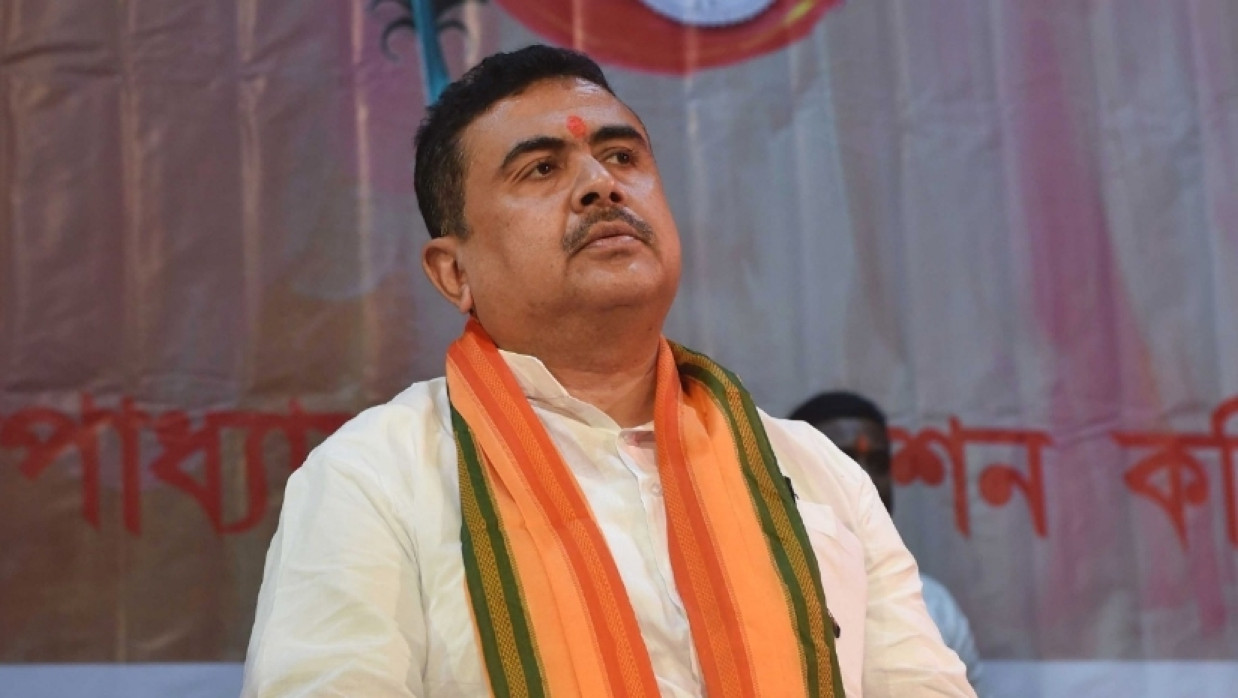
Speaking in the state capital of Kolkata on Sunday, West Bengal Chief Minister Suvendu Adhikari provided a detailed statistical update on the ongoing security operations along the porous international border.
"We have started the work of deporting Bangladeshi infiltrators who do not fall under the purview of the Citizenship Amendment Act. The government established holding centres in all districts of the state in May. From these centres, 4,800 Bangladeshi infiltrators have already been deported so far. Another 836 people are currently in the holding centres... we are making arrangements to deport the 836 soon." — Suvendu Adhikari, Chief Minister of West Bengal
Historically, migration across the long, porous border between India and Muslim-majority Bangladesh has been driven by deep economic hardships and interconnected, multigenerational family ties. However, the current state-led expulsions are taking place amidst highly charged political rhetoric. Top Indian officials have frequently used derogatory language to describe migrants, publicly labeling them as "termites" and "infiltrators".
Human Rights Concerns and Diplomatic Friction
The BJP's hardline immigration policies have drawn severe criticism from human rights organizations and political observers. Critics argue that the party's aggressive rhetoric and targeted actions have intensified the marginalization and unease felt by India’s broader population of more than 200 million Muslims.
Rights groups accuse the ruling party of intentionally conflating religious identity with undocumented migration, pointing out that Indian security forces have previously pushed hundreds of Bengali-speaking Muslims into Bangladesh without providing any semblance of due process.
The large-scale deportations add a new layer of complexity to an already delicate bilateral relationship. Ties between New Delhi and Dhaka suffered a severe strain following the 2024 revolution in Bangladesh, which abruptly ended the autocratic regime of Prime Minister Sheikh Hasina—a close ally of New Delhi who subsequently fled to India.
Following the election of a new government in Dhaka in February, diplomatic channels have slowly shown signs of improvement. Against the backdrop of these mass deportations, the chiefs of the border security forces of both Bangladesh and India are scheduled to hold a crucial bilateral meeting in New Delhi today, Monday, to discuss border management and security frictions.
 Follow The Daily Campus on Google News