Decades before modern sports-washing debates dominated global headlines, the 1978 FIFA World Cup in Argentina set the ultimate historical precedent for how a brutal political regime could weaponize football. The tournament remains arguably the most controversial, politically charged, and compromise-ridden tournament in sports history—ending with Argentina claiming their first-ever star under the shadow of a violent military dictatorship.
Argentina was awarded the hosting rights in 1966, but by the time the tournament arrived in 1978, the democratic government had been overthrown by a bloody military coup. The regime, led by General Jorge Videla, ran a campaign of state terror, torturing and executing political opponents at clandestine detention centers—some located just a short walking distance from the River Plate stadium in Buenos Aires. The junta looked at the World Cup as the perfect opportunity to clean up its international image and generate nationalistic propaganda.
The political struggle extended directly to the visual identity of the event. The tournament logo was designed based on former President Juan Perón’s signature two-handed greeting gesture. The anti-Peronist military leadership made desperate attempts to alter the design, but ultimately abandoned the effort after being warned that changing a heavily commercialized logo would trigger an endless sea of corporate lawsuits against the country.
Absences, Boycotts, and Shock Exits
The tournament missed some of European football’s most elite traditional heavyweights, as England, Belgium, and Uruguay failed to qualify altogether during the preliminary stages. On the other hand, the expansion of global football saw debut appearances for both Iran and Tunisia.
The tournament’s star power was heavily depleted by political and personal standoffs. Dutch maestro Johan Cruyff, the standout genius of the 1974 "Total Football" campaign, refused to travel to South America. While rumor mills suggested a political boycott against Videla's regime, Cruyff later revealed that a traumatic kidnapping attempt on his family in Barcelona had forced him into retirement. Similarly, West Germany had to mount their title defense without the legendary Gerd Müller, who had stepped away from international duties.
On-Pitch Manipulation and Violent Clashes
The dark hand of administrative interference was visible throughout the tournament. To ensure maximum strategic advantage, the junta structured the schedule so that all of Argentina’s second-round matches kicked off at night, allowing the home side to know exactly what scoreline they required to advance based on earlier daytime results.
This manipulation culminated in the notorious second-round group stage conclusion. Needing to defeat Peru by at least four clear goals to pip arch-rivals Brazil to the final, Argentina cruised to a highly suspicious 6-0 victory. Allegations of backroom deals involving massive grain shipments and unfrozen financial assets from the Argentine junta to the Peruvian government have lingered ever since.
The tournament was also marred by extreme physical aggression. The second-round clash between bitter rivals Argentina and Brazil turned into a literal battlefield, ending in a goalless draw characterized by brutal tackles, physical melees, and violent clashes that further deteriorated the tournament's sporting reputation.
A Defiant Final and a Broken Ceremony
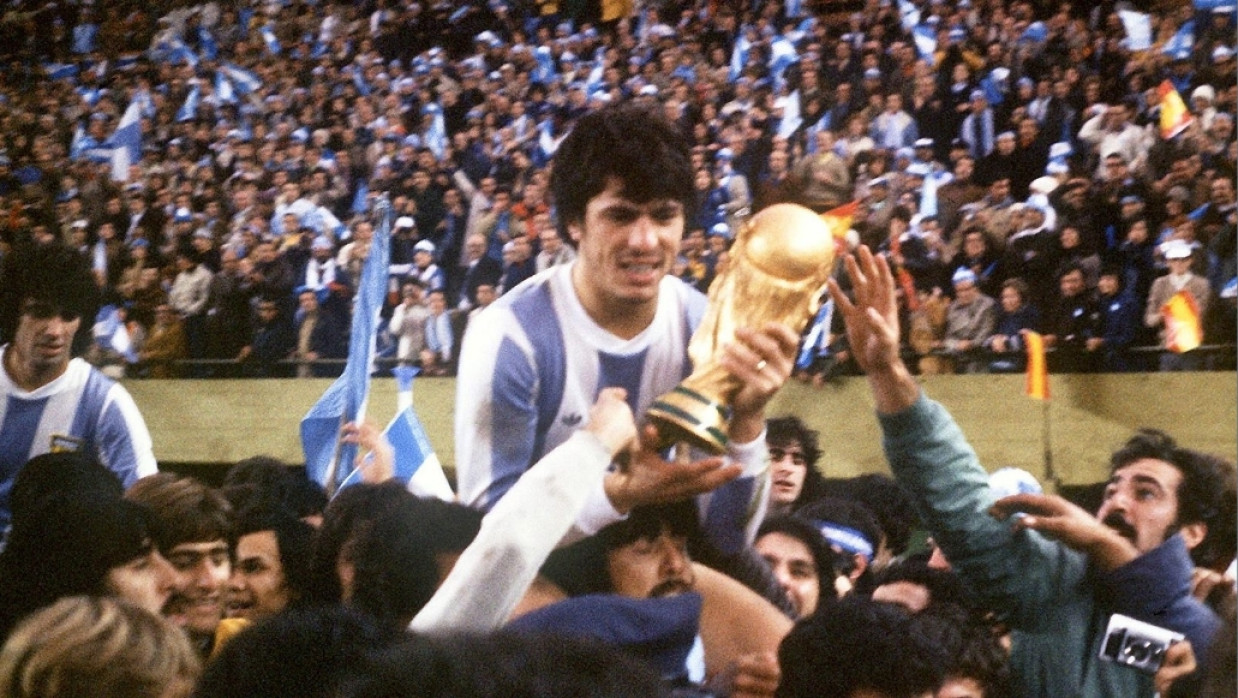
Despite the surrounding chaos, coach César Luis Menotti's Argentina squad put on an impressive display of fluid, attacking football on home soil. In the final, they faced the Netherlands, who had battled their way to a second consecutive World Cup showcase.
Mario Kempes opened the scoring for the hosts in the first half, sending the partisan crowd into raptures. The Netherlands hit back in the 82nd minute when Dick Nanninga scored a powerful header to draw level, sending a frantic match into extra time.
In the extended period, Kempes struck again to restore Argentina's lead, before Daniel Bertoni scored five minutes from the final whistle to seal a 3-1 victory. While wild celebrations erupted across Buenos Aires, the distraught Dutch team, utterly disgusted by the flagrant refereeing biases, calculated delays, and hostile atmosphere, took a stand. In a historic act of defiance, the entire Netherlands squad boycotted the post-match medal ceremony, refusing to share the pitch with General Videla and the military leadership.
The Tournament at a Glance
-
Host: Argentina
-
Teams: 16
-
Format: First Group Stage, Second Group Stage, Third-Place Playoff, Final
-
Matches: 38
-
Goals: 102
-
Champion: Argentina
-
Runners-up: Netherlands
-
Golden Boot: Mario Kempes (Argentina)

 Follow The Daily Campus on Google News