MPO teachers’ inclusion in new pay scale depends on three factors
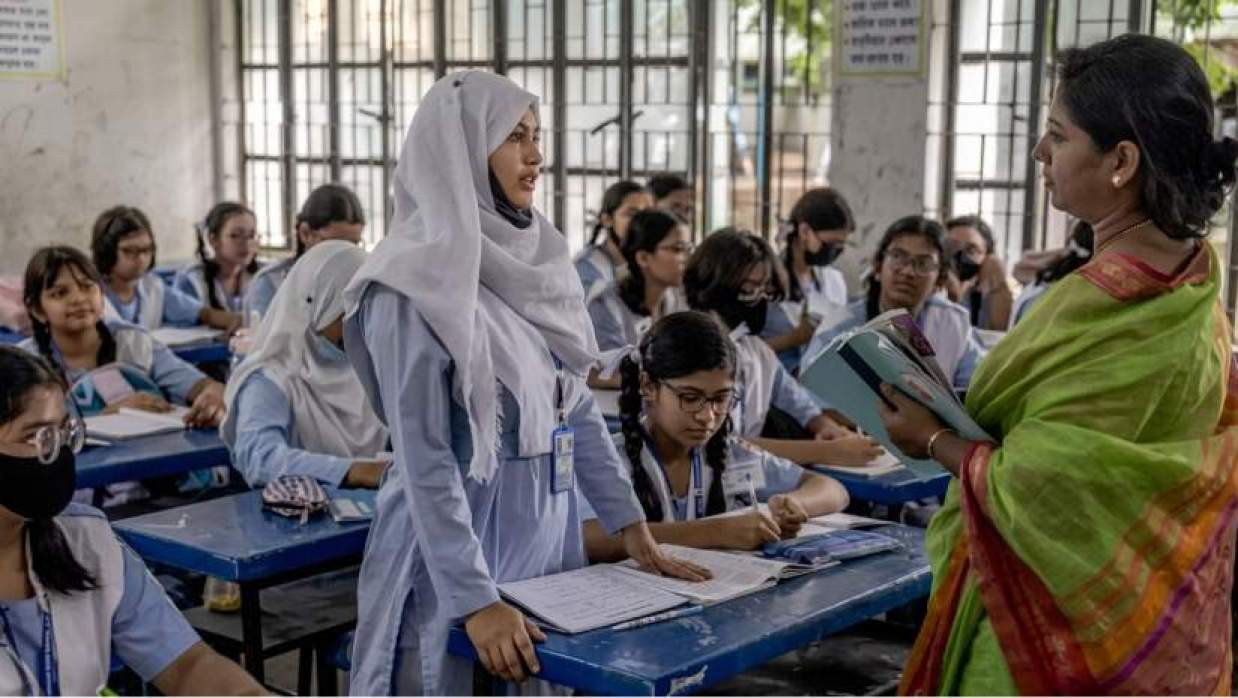
The inclusion of MPO-listed teachers and employees in the ninth national pay scale will depend on three factors: a government policy decision, the financial implications and the consent of the Finance Ministry, Education and Primary and Mass Education Minister Dr ANM Ehsanul Haque Milan told Parliament on Tuesday.
The minister gave the information in response to a question from Selim Bhuiyan, a lawmaker from Cumilla-2, tabled in Parliament on Tuesday (September 8). As the education minister was abroad, Primary and Mass Education State Minister Bobby Hajjaj responded on his behalf.
According to the minister, if a new national pay scale is announced, the decision on bringing MPO-listed teachers and employees under it will be taken based on the government’s policy decision, the financial implications and the Finance Ministry’s approval.
If the government decides to include them in the new pay scale, necessary steps will be taken accordingly, he said. The minister also said the government’s share of the salaries and allowances of MPO-listed teachers and employees is provided according to the existing MPO policy, relevant government orders and the allocated budget.
Fee waivers for poor students at private universities
In response to another parliamentary question, State Minister Bobby Hajjaj said 3 percent of seats at private universities are reserved for meritorious but financially disadvantaged students from remote and underdeveloped areas.
Students admitted under these reserved seats are entitled to have their tuition and other fees waived during their studies, he said.
Bobby Hajjaj gave the information in response to a written question from Zainal Abdin, a lawmaker from Feni-2, who asked whether the government would take steps to make higher education more affordable for students from lower- and middle-income families studying at private universities.
The state minister said legal and institutional provisions are already in place to make higher education more accessible for meritorious students from financially disadvantaged families.
Under Section 9(4) of the Private University Act, 2010, every private university must reserve 3 percent of its total seats for meritorious but poor students from remote and underdeveloped areas. Students admitted to these seats are eligible for tuition and other fee waivers.
Many private universities also offer scholarships, educational stipends and full or partial tuition fee waivers based on students’ academic performance, family financial circumstances and special needs. These provisions can also benefit meritorious students from middle-income families, depending on individual university policies.
Hajjaj said the government would strengthen monitoring through the University Grants Commission to ensure proper implementation of the reserved-seat provision, fee waivers and scholarships at private universities.
Steps will also be taken to improve transparency in selecting beneficiaries, ensure that eligible students receive information about the opportunities, and require universities to publish details of scholarships and fee waivers on their websites.
 Follow The Daily Campus on Google News