University Admission Applications to Begin on January 1
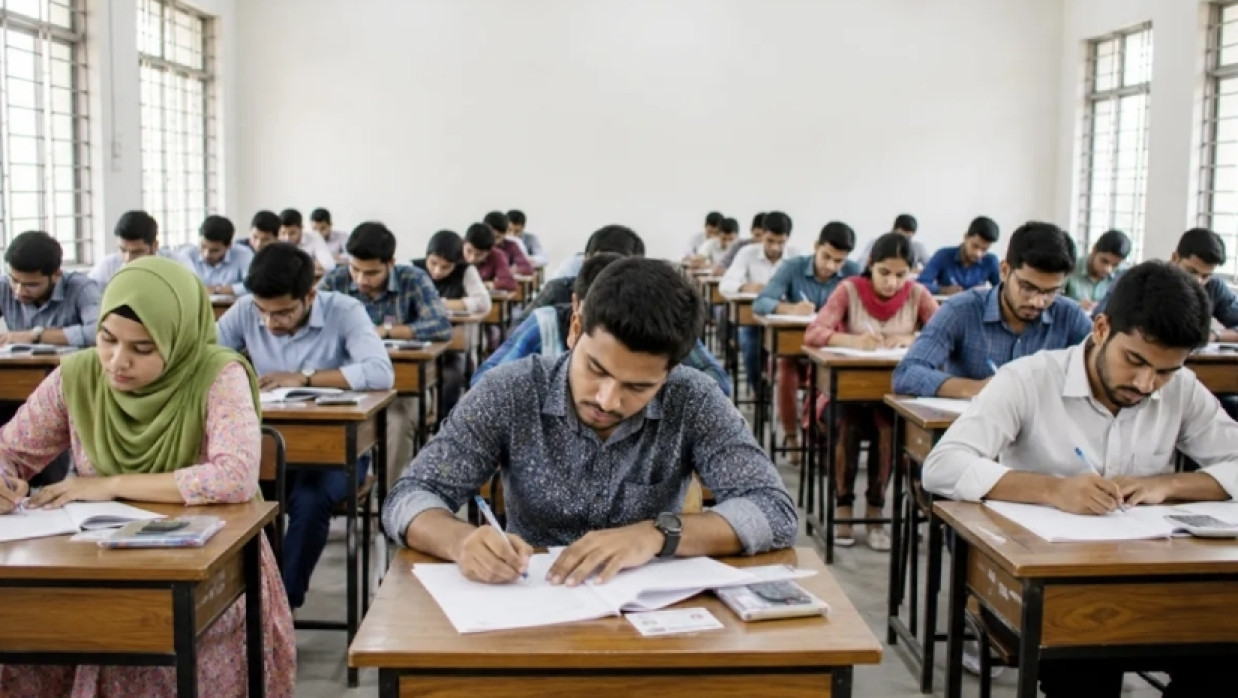
Applications for university admission in Bangladesh for the 2026-27 academic year will begin on January 1, 2027, following a decision taken at a meeting of public university vice-chancellors at the University Grants Commission (UGC) office on Monday (November 9).
Universities that have already announced their application schedules will adjust them accordingly. Vice-chancellors also decided to postpone admission tests.
The meeting was convened to discuss admission examinations for the 2026-27 academic year. A vice-chancellor who attended the meeting confirmed the decision to The Daily Campus.
“Admission tests at all universities will be held after February 1. The admission process will begin after January 1, 2027,” the vice-chancellor said.
UGC Chairman Professor Dr Mamun Ahmed presided over the meeting. Briefing reporters after the meeting, he said all Higher Secondary Certificate (HSC) results would be available by December 31, and university admission activities would begin after that date.
Universities that have already started their admission processes will coordinate their schedules with the decision, he added.
“This means we are creating an opportunity for supplementary examination candidates. The decision has been taken to ensure that all candidates, including those participating in this process, can take part in the admission tests,” Professor Mamun Ahmed said.
He said Bangladesh currently has around 180 public and private universities. Public universities have approximately 63,000 seats for first-year students.
Affiliated institutions under the National University, Islamic Arabic University and other public universities have more than one million seats. Private universities, meanwhile, offer more than 400,000 seats.
“In this context, ensuring access to higher education and evaluating students’ merit are very important,” he said.
 Follow The Daily Campus on Google News