
Bangladesh’s Digital Declaration of Independence: No More Internet Shutdowns
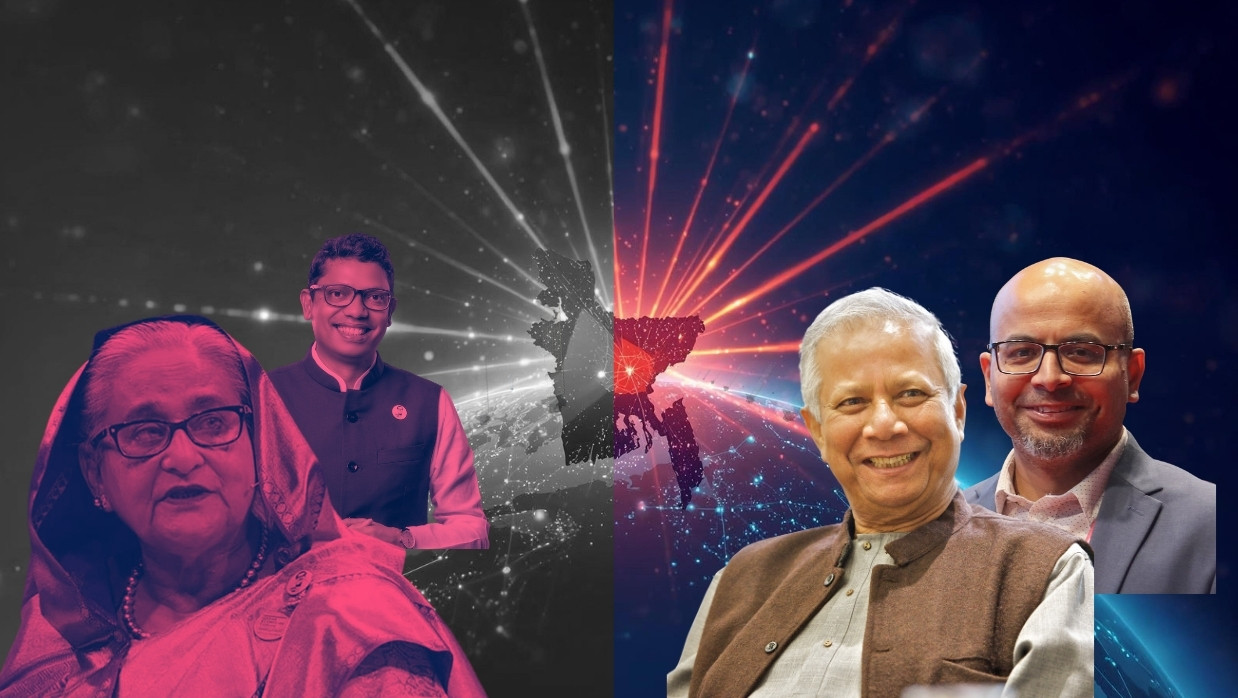
On the eve of a national election that will determine the successor to a eighteen-month democratic transition, the interim government of Bangladesh has delivered its final, and perhaps most profound, promise to its citizens. Tomorrow, February 12, 2026, millions will head to the polls. But today, they were handed a legal guarantee that the digital lights will stay on, no matter who wins.
In a landmark amendment to the telecommunications law, the administration led by Nobel laureate Muhammad Yunus has legally and permanently prohibited the suspension of internet and telecommunication services under any circumstances. By striking down the legal "kill switch" that allowed previous regimes to plunge 170 million people into darkness during the 2024 uprising, the state is surrendering a tool of suppression that has been a hallmark of South Asian autocracy.
As Faiz Ahmad Taiyeb, Special Assistant to the Chief Adviser, noted in a statement released Wednesday morning, February 11, this is more than a technical fix; it is a "bold step toward placing the state-citizen relationship on a new footing".
For over a decade, the internet in Bangladesh was treated as a privilege to be granted or revoked at the whim of the ministry. A 2010 amendment had effectively turned the national regulator, the BTRC, into an arm of the executive, enabling arbitrary blackouts implemented via informal directives. The new ordinance reverses this centralization, restoring nearly 100 percent of operational autonomy to the Bangladesh Telecommunication Regulatory Commission (BTRC) and returning its powers over licensing, tariffs, and enforcement.
The reforms go further by dismantling the very infrastructure of the "Big Brother" state. The National Telecommunications Monitoring Centre (NTMC), an agency long shrouded in allegations of extrajudicial surveillance and linked to the tragic legacy of enforced disappearances, has been formally abolished. In its place stands the Centre for Information Support (CIS), a body strictly confined to providing technical assistance for judicially authorized and emergency interceptions.
Crucially, for a nation often polarized by rhetoric, the law now protects free expression with a clear, high bar: speech is only a crime if it directly incites violence. By narrowing the definition of "hate speech" and slashing regulatory fines to one-third, the government is signaling to the world, and to its own people, that it values a competitive, open, and investment-friendly digital landscape.
To be sure, some observers remain cautious. Critics from organizations like ARTICLE 19 have noted that while the "kill switch" is gone, the legal framework for real-time interception has been modernized, raising questions about whether these tools could be weaponized by future administrations. However, the inclusion of a high-powered quasi-judicial transparency council and mandatory reporting to parliamentary committees provides a level of oversight that was previously non-existent.
As the sun sets on this interim period, the abolition of the "kill switch" stands as a testament to a government that chose to empower its critics rather than silence them. Tomorrow’s election will be many things, but it will not be a blackout. Bangladesh has finally decided that in a modern democracy, the only thing the state shouldn’t be able to turn off is the truth.
 Follow The Daily Campus on Google News